$49.00
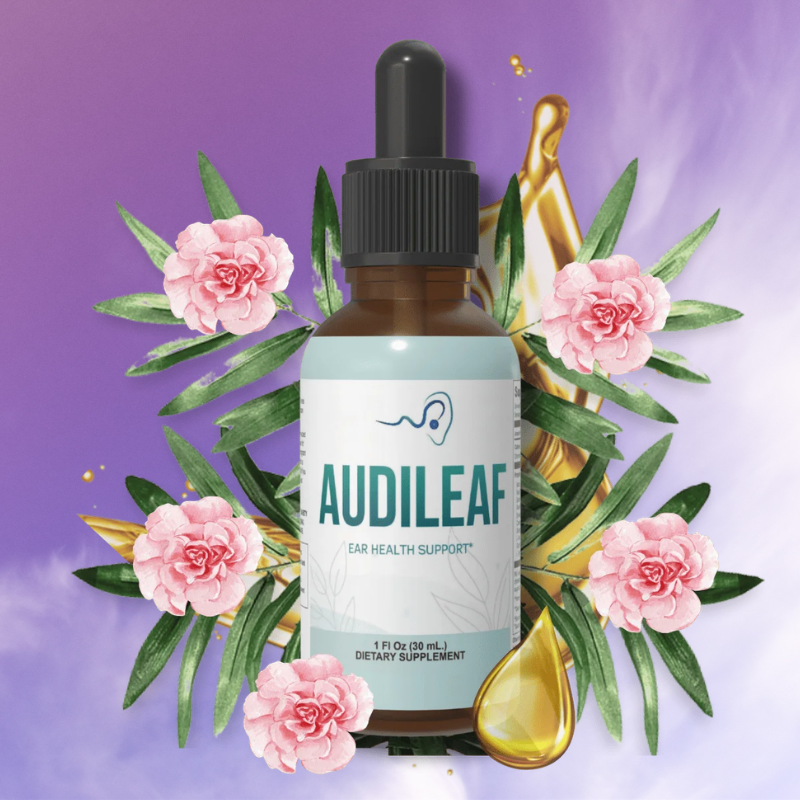
Support your ear and brain health with AudiLeaf, the natural supplement that helps enhance auditory clarity and neural sound processing. Designed for adults looking to protect hearing function and boost everyday listening comfort, its formula encourages healthy inner ear circulation and efficient communication between the ears and brain. AudiLeaf also supports mental focus and calm sensory performance, helping you stay alert and less overwhelmed by background noise. Easy to take daily, AudiLeaf blends science and nature to help you feel more confident in conversations, more connected to your environment, and more in control of your auditory wellness.
Description
Hearing is one of those everyday functions most people don’t think about – until something changes. It might start subtly: needing the TV a little louder, feeling mentally drained after a busy conversation, or noticing that loud environments seem harder to “filter.” For many adults, these shifts can feel frustrating because hearing isn’t just about the ears. It’s tied to focus, social confidence, safety awareness, and quality of life. When sound feels less clear, people often compensate by concentrating harder, which can make listening feel tiring, especially in meetings, restaurants, or family gatherings.
That’s why “hearing support” has become a growing area in the supplement space. Many readers are exploring natural wellness strategies that may help support inner ear nutrition, stress resilience, circulation, and nerve communication – factors that can influence how comfortably we process sound day to day. At TotalCareMedical.com, we approach these products cautiously and clinically: we don’t diagnose, we don’t promise outcomes, and we don’t treat medical conditions. Instead, we look at formulas through ingredient science, mechanisms of action, and practical consumer analysis – so you can decide whether a product is worth discussing with your healthcare provider.
AudiLeaf is positioned as a multi-ingredient dietary supplement marketed for auditory wellness and “ear – brain” support. The pitch is familiar in this category: nourish delicate structures, support circulation to the inner ear, help the nervous system stay balanced, and provide antioxidant protection against everyday oxidative stress. While that language can sound compelling, it’s essential to separate plausible biological support from medical claims. Supplements can support normal body functions; they are not approved to treat hearing loss, tinnitus, ear infections, or any disease.
In the sections below, we break down AudiLeaf in a research-informed way: what it is, who it’s designed for, what the ingredients are known for, what science can and can’t say, realistic expectations, safety considerations, pricing, and how to buy safely. If you’re exploring a natural hearing support supplement and want a clearer, medically grounded perspective – this is the kind of overview that helps you make a confident, informed choice.
Product Overview
Formulation:
AudiLeaf is a multi-ingredient dietary supplement marketed for auditory wellness, with an emphasis on “ear clarity,” inner ear support, and neural balance. The official promotional site positions it as a daily-use formula.
Key s:
The AudiLeaf marketing materials highlight an “auditory wellness” blend, while consumer-facing descriptions (and third-party summaries) commonly reference botanicals and plant extracts associated with circulation, antioxidant support, and stress response balance.
Bottle Contents:
AudiLeaf is sold in multi-bottle packages intended to cover a set number of days, consistent with typical supplement programs (often 30 – 180 days depending on bundle).
Guarantee:
The AudiLeaf promotional page references a money-back guarantee concept, though specifics can vary by seller and offer page; consumers should confirm exact terms on the checkout page at time of purchase.
Cost:
The official promotional site advertises a limited-time per-bottle price (commonly shown as $49/bottle in the offer messaging).
What is AudiLeaf?
AudiLeaf is a dietary supplement positioned in the “hearing support” and “auditory wellness” category – products designed to support normal function of the ear, the nervous system, and the body systems that influence sensory perception. Unlike hearing aids or clinical interventions (which directly address diagnosed hearing conditions), supplements operate in a different lane: they aim to provide nutritional support for tissues, circulation, antioxidant defenses, and stress resilience, which may matter for how the body handles sound and sensory strain.
From an editorial standpoint, it helps to think of AudiLeaf as a “systems support” formula. Many modern auditory wellness products are marketed around three core ideas:
- Circulation and microvascular support. The inner ear contains delicate structures that rely on steady oxygen and nutrient delivery. Ingredients that support healthy circulation are often included because better microcirculation is viewed as one piece of overall ear wellness. This does not mean a supplement can “restore hearing” or treat hearing loss – those are medical issues requiring professional evaluation – but circulation is a plausible wellness target.
- Antioxidant and cellular protection. Oxidative stress is part of normal metabolism and can be influenced by lifestyle factors (noise exposure, sleep quality, diet, stress). Antioxidant-rich plant extracts are frequently used to support the body’s natural defenses. In supplement language, that often translates to “protecting cells from oxidative stress,” which is a permitted structure/function concept rather than a disease claim.
- Nervous system and stress response balance. Hearing isn’t just mechanical. The brain interprets sound, filters noise, and assigns meaning. When someone is under stress, fatigued, or overstimulated, listening can feel harder. Some ingredients commonly used in wellness formulas are selected to support mental clarity, calm focus, and nervous system steadiness.
AudiLeaf’s messaging leans into these themes, promoting inner ear wellness and neural sound processing support. Still, it’s important to keep expectations grounded: supplements may support normal physiology, but they are not proven cures for tinnitus, sudden hearing changes, or medically diagnosed auditory disorders. If you have new or worsening symptoms – ringing, dizziness, ear pain, sudden muffling, or one-sided hearing changes – that’s a prompt to consult an audiologist or physician rather than self-treating with supplements.
For many consumers, the real appeal of a product like AudiLeaf is practicality: a daily routine that feels proactive. Used responsibly, a supplement may be one part of a broader hearing-health strategy that also includes hearing protection, blood pressure management, balanced nutrition, movement, and reducing prolonged exposure to loud environments.
Who is AudiLeaf specifically for?
AudiLeaf is typically marketed toward adults who feel they’re not hearing – or processing sound – as comfortably as they used to, especially in everyday “real-life” listening situations. That includes environments where background noise competes with conversation (restaurants, meetings, family gatherings), or moments when the brain feels “overloaded” by sound. While the official promotional messaging emphasizes auditory clarity and inner ear wellness, the most realistic consumer use-case is supportive rather than corrective.
In practical terms, AudiLeaf may appeal to:
Adults noticing gradual shifts in listening comfort. Many people describe this as needing repetition more often, feeling mentally tired after conversations, or struggling to track speech in noisy environments. These experiences can stem from many causes, including normal aging, earwax, medication effects, noise exposure, or underlying hearing loss. A supplement cannot diagnose any of these, but some individuals still explore nutritional support as a complementary approach while also considering professional evaluation.
People with high sensory load lifestyles. Workplaces with constant calls, caregiving responsibilities, frequent travel, or busy social schedules can make “listening fatigue” feel more intense. In these cases, ingredients associated with stress resilience and mental clarity are often part of the buying decision – even though results are personal and can’t be guaranteed.
Those who prefer natural wellness routines. Some consumers simply want a non-invasive daily habit that aligns with a broader health plan – hydration, balanced diet, movement, and targeted supplementation. The key here is mindset: if you see AudiLeaf as support for overall wellness, expectations stay realistic. If you expect it to “fix” a medical condition, disappointment is more likely.
Individuals who want to support circulation and antioxidant balance. Many “ear wellness” supplements overlap with general cardiovascular and cellular support ingredients. While that doesn’t mean the product is a heart-health formula, it does reflect a common principle: what supports circulation and oxidative balance system-wide may also support tissues that rely on those processes.
Who it may not be for: anyone experiencing sudden hearing changes, severe tinnitus, vertigo, ear pain, drainage, or neurological symptoms should prioritize medical assessment. Similarly, if you take prescription medications, have cardiovascular conditions, anxiety sensitivity to stimulants, or are pregnant/breastfeeding, you should consult a healthcare professional before using a supplement with energizing botanicals (like guarana or ginseng). That’s not alarmist – it’s basic safety and good clinical practice.
Does AudiLeaf Work?
The honest answer is that “works” depends on what you expect AudiLeaf to do – and how you define success. If someone expects a supplement to reverse hearing loss, eliminate tinnitus, or replace clinical hearing support, that’s not an evidence-based expectation. Supplements are not approved to treat or cure hearing conditions, and hearing changes can have complex, medical causes that require diagnosis.
If, however, someone defines “works” as supporting overall auditory wellness – for example, supporting energy, stress balance, circulation, and antioxidant defenses – then the question becomes more reasonable: do AudiLeaf’s ingredients have plausible mechanisms for supporting normal functions related to those goals?
Many auditory wellness formulas are built around a few plausible pathways:
- Circulatory support. Better blood flow and vascular function are important for many tissues, including sensory structures. Ingredients marketed for circulation are common in this category because they align with general physiology. That said, no supplement can guarantee improved hearing perception because hearing is not solely a circulation issue.
- Oxidative stress support. Antioxidants can support the body’s natural defenses. This is a legitimate structure/function area for supplements, but it’s also broad. People may feel benefits as overall wellness improvements (less fatigue, better recovery), which can indirectly make listening feel easier.
- Stress and cognitive load. Even without changes in hearing, stress can make sound feel harsher and concentration more difficult. Ingredients associated with calm focus may help some individuals feel more mentally steady – again, a subjective experience that varies.
AudiLeaf’s marketing leans into these themes, describing support for clarity and inner ear wellness. The consumer reality is that supplements often produce gradual, subtle changes rather than dramatic shifts. In our experience reviewing many products in this space, people who report the best satisfaction usually combine supplements with lifestyle improvements: hearing protection, improved sleep, hydration, exercise, and reduced stimulant overload.
A final, practical point: “Does it work?” also depends on product quality and consistency. If a supplement is taken sporadically, outcomes are harder to judge. And if someone has an untreated underlying issue (earwax impaction, chronic sinus congestion, medication side effects, unmanaged blood pressure), a supplement is unlikely to address the root cause. In those cases, a clinician’s evaluation can be more impactful than any over-the-counter product.
AudiLeaf Real Customer Reviews and Testimonials
AudiLeaf’s promotional site displays customer-style testimonials emphasizing improved daily confidence, energy, and overall wellbeing, though these are presented in a marketing context rather than as independently verified clinical outcomes. Some third-party review pages also summarize consumer impressions and position the product as a hearing support supplement, but the reliability of such pages can vary and should be interpreted cautiously.
From a consumer analysis perspective, the most useful way to read supplement reviews is to look for patterns that match realistic supplement effects: gradual support, improved “day-to-day steadiness,” or better tolerance for busy environments – rather than claims of curing a condition. If you choose to try AudiLeaf, consider tracking your own experience with a simple journal: perceived listening fatigue, stress levels, energy, and sleep quality for 30 – 60 days. And if you have clinically significant hearing concerns, treat reviews as anecdotes – not as a substitute for professional advice.
What are the s in AudiLeaf?
Maca Root Extract
Maca root is often described as an adaptogenic-style botanical – meaning it’s traditionally used to support energy, stamina, and resilience during physical and mental stress. In supplement formulas, maca is commonly included for its potential to support subjective vitality, which can matter when someone feels run down, distracted, or mentally fatigued. While maca is not a hearing treatment, supporting overall energy and stress tolerance may indirectly help people feel more present and less overwhelmed in noisy or demanding environments.
From a mechanism standpoint, maca contains bioactive plant compounds that have been studied for effects on mood, endurance, and general wellbeing. The reason a hearing-support brand might include maca is less about “fixing” auditory structures and more about supporting the upstream factors – fatigue and stress – that can make listening feel harder. If you’re sensitive to stimulating herbs, maca is usually considered gentler than caffeine-based ingredients, but responses vary. As with any botanical, it’s wise to start with label directions and avoid stacking multiple energizing products at once. If you have a hormone-sensitive condition or take medications that affect mood or endocrine function, consult a healthcare professional before using maca-containing supplements.
African Mango Seed Extract
African mango (Irvingia gabonensis) is more commonly known in the wellness world for metabolic and weight-management marketing. However, the seed also contains fibers and plant compounds that brands sometimes position for general antioxidant and circulatory support. In an “auditory wellness” context, the rationale is typically tied to overall vascular health: healthy circulation supports nutrient delivery throughout the body, including delicate structures that rely on consistent oxygenation.
It’s important to be careful with claims here. African mango seed extract is not a proven therapy for hearing issues. The more responsible framing is that antioxidant-rich plant compounds may support the body’s natural defenses, and circulation-supportive wellness habits may matter for overall sensory function. If a formula uses African mango as part of a broader blend, the likely role is “supportive synergy” rather than a primary, hearing-specific agent. Consumers should also pay attention to personal tolerance: some botanical extracts can cause digestive upset in sensitive individuals. If you have gastrointestinal conditions, take blood sugar medications, or are actively managing metabolic health with a clinician, check compatibility before adding new supplements.
Ginseng Root Extract
Ginseng is one of the most widely used botanicals in traditional health systems and modern supplements, often chosen for its association with energy, cognitive alertness, and stress response support. In wellness formulas, ginseng is typically framed as supporting mental performance under pressure – helping people feel more awake, less fatigued, and more capable of sustaining attention. That cognitive component is relevant to the hearing experience because hearing is partly about the brain’s ability to interpret sound, especially in complex environments.
That said, ginseng is not a medical treatment for hearing loss or tinnitus. The more evidence-consistent perspective is that some individuals may feel improved day-to-day vitality or focus, which can change how they perceive sensory load. People who are sensitive to stimulatory effects should be cautious: ginseng can feel energizing, and in some cases may interact with medications (including blood thinners, diabetes medications, or stimulants). If you have hypertension, arrhythmias, anxiety sensitivity, or take prescription medications, it’s best to discuss ginseng-containing supplements with a healthcare professional. Responsible supplement use means prioritizing safety over marketing language.
Green Tea Leaf Extract
Green tea leaf extract is a well-known source of antioxidant compounds – particularly catechins like EGCG – which are studied for their role in supporting oxidative balance in the body. In the context of auditory wellness supplements, green tea’s value is usually framed around cellular protection and nervous system support, because oxidative stress can affect many tissues, including nerve pathways. Antioxidants don’t “repair” damage in a guaranteed way, but they can support the body’s natural defenses, which is a reasonable and permitted wellness goal.
Green tea extract can also contain caffeine, depending on how it’s processed and standardized. That matters for consumers who are caffeine-sensitive or who already consume coffee, energy drinks, or pre-workouts. In those individuals, adding green tea extract could contribute to jitters, sleep disruption, or a racing feeling – effects that can worsen perceived sensory strain for some people. A practical approach is to check the label (or brand FAQ) for caffeine content and avoid taking the product late in the day if sleep is a concern. If you are pregnant, have anxiety disorders, or have a heart rhythm condition, consult a healthcare professional before using concentrated green tea extracts.
Guarana Seed Extract
Guarana is a naturally caffeinated botanical often used in energy and focus supplements. Its primary appeal is gentle (or sometimes not-so-gentle) stimulation, which can enhance alertness and perceived mental energy. In an auditory wellness formula, the logic may be indirect: if you feel more awake and focused, conversations may feel easier to follow, and listening fatigue might be less noticeable – especially during long workdays.
However, guarana is also one of the ingredients that requires the most caution. Because it can significantly contribute to caffeine intake, it may not be ideal for individuals prone to anxiety, insomnia, palpitations, or blood pressure sensitivity. It can also interact with other stimulants. If AudiLeaf includes guarana, the safe use strategy is to avoid stacking it with other caffeinated supplements, monitor your total daily caffeine, and consider taking it earlier in the day. If you have cardiovascular conditions or take medications that affect heart rate or blood pressure, consult your healthcare provider before using caffeinated botanicals. Supporting wellness should never come at the expense of sleep quality or nervous system stability.
Grapefruit Seed Extract
Grapefruit seed extract is commonly used in wellness supplements for its association with immune balance and antioxidant support, though the quality and composition of grapefruit seed extract products can vary. In many blends, it functions as a broad “support” ingredient rather than a central active compound. The more responsible way to describe its potential role is in supporting cellular protection and general wellness routines – especially if the formula is targeting oxidative balance.
One clinically important point: grapefruit (including grapefruit-derived compounds) is known for interacting with certain medications via effects on CYP enzymes and drug metabolism. This interaction is best documented with grapefruit juice, but because grapefruit seed extract products can vary, cautious consumers – especially those on prescription medications – should check with a pharmacist or physician before using grapefruit-derived supplements. This is particularly relevant for medications such as certain statins, blood pressure medications, and others where grapefruit interactions are well-established in clinical guidance. This is not meant to be alarming – just a reminder that “natural” does not automatically mean “interaction-free.”
AudiLeaf Science
When evaluating a supplement like AudiLeaf, it helps to separate two categories of evidence: ingredient-level science (what individual botanicals and nutrients have been studied for) and product-level science (whether the specific finished formula has been tested in well-designed human trials).
For many consumer supplements, the strongest available evidence is ingredient-level: studies on ginseng’s relationship to fatigue and mental performance, green tea’s antioxidant activity, or caffeine-containing botanicals like guarana supporting alertness. These are well-discussed areas in nutrition science. However, translating those findings into “auditory clarity” is more complex, because hearing changes are multifactorial and often clinically driven.
From a plausibility standpoint, the most defensible scientific framing for AudiLeaf is supporting systems that influence sensory experience, rather than claiming direct hearing restoration. Antioxidants (green tea catechins, plant polyphenols) support oxidative balance. Botanicals associated with stress resilience and mental energy (maca, ginseng, guarana) may affect perceived focus and fatigue. And ingredients marketed for circulation support may align with general microvascular health. These are realistic wellness targets that can complement a healthy lifestyle.
That said, consumers should know the limits: even if ingredients have supportive data, the finished formula may not have been clinically validated for hearing outcomes. The AudiLeaf promotional site includes broad wellness claims and also states that information has not been evaluated by the FDA and that the product is not intended to diagnose, treat, cure, or prevent disease. This disclaimer is consistent with supplement regulations and reinforces why readers should interpret benefits as potential support – not medical outcomes.
In short, the science is best understood as indirect support: helping the body manage stressors and maintain normal physiological functions that may influence how comfortable listening feels for some individuals.
AudiLeaf Benefits
A supplement’s “benefits” should be described in ways that match what supplements can realistically do: support normal body functions and wellness outcomes that vary by person. Below are the most plausible benefit areas for AudiLeaf based on typical ingredient roles and the product’s positioning. (If you have a diagnosed hearing condition, these benefits should be seen as complementary wellness support – not treatment.)
Support for mental focus and listening stamina
Many people who seek auditory wellness products aren’t only concerned about volume – they’re concerned about mental strain. Tracking conversations in noisy environments requires cognitive effort. Ingredients commonly used for energy and alertness support (such as ginseng, green tea extract, and guarana) may help some users feel more awake and focused during the day. When fatigue is reduced, listening may feel less effortful, and the brain may handle complex sound environments more comfortably. However, this is highly individual and depends on sleep, stress levels, diet, and stimulant sensitivity. If a person is already caffeine-heavy or anxious, stimulating ingredients can backfire by increasing nervous system tension. The most realistic expectation is not “better hearing,” but a possible improvement in how resilient and attentive you feel during demanding listening moments.
Antioxidant and cellular protection support
Oxidative stress is a normal biological process, and diet plays a major role in maintaining healthy antioxidant balance. Green tea extract and other plant compounds are frequently included in wellness formulas for antioxidant support. In the context of auditory wellness, the claim is typically about protecting delicate tissues from everyday oxidative strain – not repairing damage. This is a meaningful distinction: antioxidant support is a reasonable wellness goal, but it’s not a guarantee of specific hearing changes. People who already eat a diet rich in colorful produce may feel less noticeable change than those whose diets are lower in antioxidant-rich foods. Consider AudiLeaf as a “supportive add-on,” not a substitute for nutrition. If you’re trying any antioxidant-focused supplement, a practical strategy is pairing it with lifestyle upgrades: more vegetables, consistent hydration, and reduced exposure to extremely loud sound levels.
Support for stress balance and nervous system steadiness
Stress can change how we perceive sound. When the nervous system is on edge, sensory input can feel harsher, and the brain can have trouble filtering background noise. Ingredients often positioned as adaptogenic (like maca) or supportive for calm focus may help some individuals feel more balanced. This can translate to better day-to-day comfort rather than a dramatic sensory change. It’s also why supplement routines sometimes “feel” more effective when combined with stress-reduction habits: movement, breathing work, improved sleep timing, and reduced late-day caffeine. For consumers, the benefit isn’t simply the capsule – it’s the entire routine it supports. If you’re exploring AudiLeaf for this reason, consider using it as a cue to reinforce calming habits that are strongly supported by medical guidance.
Support for circulation-related wellness goals
Many hearing-support formulas emphasize circulation because the inner ear is metabolically active and relies on steady nutrient delivery. While a supplement can’t promise changes in hearing function, supporting healthy circulation is a legitimate general wellness goal. Ingredients positioned for circulatory support often overlap with broader cardiovascular-friendly lifestyle practices. For example, consistent walking, blood pressure management, and balanced nutrition may have a larger impact than any single supplement. Still, some consumers like having a daily product that aligns with these goals. If you have cardiovascular disease, take blood pressure medications, or use blood thinners, consult a healthcare professional before using supplements with botanicals that may influence circulation or stimulation – this is where “natural” still requires medical awareness.
AudiLeaf: Pros and Cons
Pros
- Multi-ingredient approach targeting broad wellness pathways (energy, antioxidant support, stress balance, circulation-oriented positioning)
- Convenient daily routine compared with mixing powders or complex protocols
- Promotional pricing bundles can reduce cost per bottle compared to single-bottle purchase
- Direct purchase model may reduce the risk of third-party storage/handling issues (when purchased from the official checkout)
- Official site includes standard supplement disclaimer language indicating it is not intended to diagnose, treat, cure, or prevent disease
Cons
- Hearing-related outcomes are highly individualized and may be subtle; supplements are not a replacement for audiology care
- Formulas containing stimulatory botanicals (e.g., guarana, ginseng, green tea extract) may not suit caffeine-sensitive users
- Potential for ingredient – medication interactions (notably grapefruit-derived components; stimulant interactions are also possible)
- Marketing pages may use strong language (e.g., “tinnitus comfort” style phrasing), which can create unrealistic expectations; consumers should interpret benefits as supportive, not curative
- Some promotional pages use phrases like “FDA Approved,” which should be interpreted carefully (supplements are not FDA-approved like prescription drugs)
What is the price of AudiLeaf?
AudiLeaf is typically sold in tiered bundles designed to encourage a longer trial window, which is common in the supplement category because many users prefer to evaluate effects over 60 – 90 days. Based on the pricing details provided, the structure looks like this:
- Basic – 1 Bottle (30 days supply)
- $79 per bottle
- Total shown: $595 → $79
- Shipping: +$9.99
- Guarantee: 60 days
- Most Popular – 3 Bottles (90 days supply)
- $69 per bottle
- Total shown: $791 → $177
- Free US shipping
- Guarantee: 60 days
- Best Value – 6 Bottles (60 days supply listed, bundle indicates biggest discount)
- $49 per bottle
- Total shown: $1782 → $294
- Free US shipping
- Guarantee: 60 days
Pricing can change at any time due to promotions, inventory, or offer-page updates. Always verify current pricing, shipping fees, and guarantee terms directly on the official website checkout before purchasing.
Usage:
AudiLeaf is generally marketed as a daily-use supplement, and the most responsible way to use products in this category is to treat them as part of a routine – rather than a “quick fix.” If you decide to try AudiLeaf, consistency matters more than intensity. Many consumers evaluate wellness supplements over 8 – 12 weeks because subtle changes (energy, stress tolerance, focus) are easier to notice over time.
A practical approach is to take AudiLeaf at the same time each day and observe how your body responds. Because the ingredient list includes botanicals that may be energizing (such as guarana, ginseng, and possibly green tea extract), some users may prefer earlier-in-the-day use to avoid sleep disruption. If you already consume coffee or other stimulants, consider moderating total caffeine intake so you can better judge whether the formula supports focus without creating jitteriness.
Pairing matters. Supplements tend to “show up” better when the fundamentals are solid:
- adequate hydration
- protein and micronutrient intake from food
- routine physical activity (even brisk walking)
- hearing protection in loud settings
- consistent sleep timing
If you take prescription medications or have an existing medical condition (especially cardiovascular issues, anxiety disorders, or medication regimens known to interact with grapefruit), consult a healthcare professional before starting AudiLeaf. That’s not a formality – it’s the safest way to personalize supplement decisions.
More AudiLeaf Actual User Reviews and Testimonials
In promotional materials, AudiLeaf is associated with positive user stories that emphasize confidence, daily vitality, and feeling more “centered” or capable during demanding days. From a consumer lens, these themes often align with how people subjectively experience formulas containing adaptogenic-style herbs and mild stimulants: improved perceived energy, better day-to-day focus, and less fatigue.
The most trustworthy way to interpret these testimonials is as individual experiences rather than predictable outcomes. If you choose to use AudiLeaf, consider setting a realistic goal – such as improved listening stamina during work calls or less mental strain in noisy environments – and track it over several weeks. If symptoms worsen or you experience sudden hearing changes, stop self-experimentation and seek professional evaluation.
Are there side effects to AudiLeaf?
Any supplement that contains multiple botanicals can produce side effects in some users – especially those sensitive to stimulants, those with complex medication regimens, or individuals with underlying medical conditions. With AudiLeaf’s ingredient profile as described in consumer-facing materials, the most plausible side effects fall into a few categories:
First, stimulant-related effects. Guarana and green tea extracts may contribute caffeine-like stimulation depending on dose and standardization. That can lead to jitteriness, anxiety, restlessness, elevated heart rate, or sleep disruption – particularly if combined with coffee, energy drinks, pre-workouts, or certain medications. If you’re prone to insomnia or anxiety, consider taking the product earlier in the day (or avoiding stimulant-containing supplements entirely unless cleared by your clinician).
Second, digestive sensitivity. Botanical extracts can sometimes cause stomach upset, nausea, loose stools, or reflux in sensitive individuals. Starting with the lowest recommended dose (per label) and taking with food can help reduce discomfort for some people.
Third, interaction considerations. Grapefruit-derived ingredients deserve extra caution for people on prescription medications because grapefruit is well-known to interact with certain drugs by affecting metabolism pathways. While interactions are most famously associated with grapefruit juice, the variability of grapefruit seed extract products makes it wise to discuss any grapefruit-containing supplement with a pharmacist or physician if you take daily medications.
Finally, blood pressure and cardiovascular caution. Stimulants and certain botanicals can affect perceived heart rate or blood pressure. If you have hypertension, arrhythmias, or are on cardiovascular medications, professional guidance is strongly recommended before using formulas that may be stimulating.
As always: stop use if you experience adverse reactions, and seek medical advice. And if you’re experiencing tinnitus, dizziness, or new hearing changes, consider evaluation rather than self-treatment – those symptoms can have medical causes that require proper assessment.
Who makes AudiLeaf?
AudiLeaf is marketed through an official promotional website that positions the product as manufactured in the United States and produced under quality standards referenced in supplement marketing (e.g., GMP manufacturing). That said, consumers should be aware that supplement branding often uses broad quality language, and the most important verification steps happen at the point of purchase: checking the exact company name on the checkout page, reviewing terms and conditions, and confirming refund policies and support contacts.
From an editorial quality standpoint, here’s what matters when evaluating “who makes it” for any supplement:
- Transparency: Does the official purchase page clearly state the seller, contact information, and policy terms?
- Manufacturing standards: Many reputable brands produce supplements in GMP-compliant facilities. This is a positive sign, but it’s not the same as the supplement being “FDA approved” as a drug.
- Consistency: A clear label, consistent branding, and reliable customer service channels reduce consumer risk.
AudiLeaf’s promotional page also includes the standard FDA-evaluation disclaimer common to supplements, stating the information has not been evaluated by the Food & Drug Administration and that the product is not intended to diagnose, treat, cure, or prevent disease. That kind of disclaimer doesn’t tell you everything – but it signals the product is being positioned as a dietary supplement, not a medical therapy.
If you’re a cautious buyer, one best practice is to purchase only through the official website, keep your order confirmation, and review the refund window immediately after purchase so you know exactly how the guarantee works for your specific order.
Does AudiLeaf Really Work?
Supplements tend to work best when they’re treated as “support,” not “replacement.” That’s especially true for products marketed around auditory wellness, because hearing comfort is influenced by a wide set of factors: sleep quality, cardiovascular health, stress levels, inflammation status, noise exposure, hydration, and overall nutrition. A capsule can’t outcompete chronic sleep deprivation, unmanaged blood pressure, or continued exposure to loud environments.
If AudiLeaf provides meaningful value for a user, it’s usually because it helps support upstream wellness drivers that indirectly affect the listening experience – like energy stability, focus, calmness, and oxidative balance. For example, someone who feels less fatigued and more mentally steady may find it easier to follow conversations, especially in noisy settings. That can feel like better hearing even if the primary shift is cognitive stamina. In those cases, the supplement isn’t “repairing” the ear; it’s supporting the overall conditions that make listening easier.
This is why clinicians often emphasize fundamentals for sensory wellness:
- Diet quality: Nutrient-dense eating patterns support overall vascular health, cellular function, and nervous system stability. If your diet is inconsistent, a supplement may provide modest support, but it won’t replace the impact of improving food quality.
- Exercise and circulation: Regular movement supports circulation and metabolic health, which are foundational for many body systems. Even moderate exercise can improve stress resilience and sleep – two major factors in perceived sensory comfort.
- Sleep consistency: The brain’s ability to process sound is strongly affected by sleep quality. If a supplement contains stimulants and disrupts sleep, it may undermine the very benefit a user hopes to gain.
- Stress management: Stress can amplify sensory discomfort and reduce patience and attention during conversations. Supplements that aim to support calm focus can be helpful for some people, but they work best when paired with stress reduction habits.
- Hearing protection: If your lifestyle includes loud environments – concerts, construction, frequent headphone use – protecting the ear from further strain is one of the most evidence-based strategies available.
A practical way to test whether AudiLeaf is useful for you is to create a simple, measurable plan over 60 – 90 days:
- choose two metrics (e.g., listening fatigue at the end of the day; ability to track conversations in noise)
- track them weekly
- keep caffeine intake consistent so you can interpret changes
- maintain stable routines (sleep schedule, exercise frequency)
If you notice improvements, that’s useful information. If you notice no change, it doesn’t necessarily mean the product is “bad” – it may mean your primary challenge requires different interventions, or that your baseline habits and health status make supplement effects less noticeable. And if you have significant symptoms (ringing, dizziness, sudden hearing changes), clinical evaluation remains the most appropriate step regardless of supplementation.
Ultimately, AudiLeaf is best viewed as a potential adjunct – one that may support wellness factors that matter for sensory comfort – rather than as a standalone solution for a medical problem.
Is AudiLeaf A Scam?
“Scam” is a strong word, and it’s often used in the supplement world when expectations don’t match reality. Most disappointment comes from one of two issues: unrealistic promises (implying medical results) or unclear purchasing terms (unexpected subscriptions, confusing refund policies, or inflated “was” pricing).
From what we can see on the AudiLeaf promotional site, it is presented as a dietary supplement with typical supplement disclaimers that it is not intended to diagnose, treat, cure, or prevent disease. That’s a baseline marker of legitimacy in terms of compliance language. However, like many offer pages, it also uses persuasive marketing phrasing around auditory clarity and related outcomes, which consumers should interpret as supportive, not guaranteed.
To protect yourself as a buyer, focus on these practical safeguards:
- Purchase only from the official website checkout page, not from random ads or resellers.
- Read the refund policy carefully before completing the purchase.
- Save your order confirmation email and take a screenshot of the guarantee terms shown at checkout.
- Avoid assuming the product will address medical diagnoses.
If a supplement is marketed with transparent terms, clear billing, and a functional refund process, it’s generally more accurate to call it a consumer product with variable results – not a scam. If you’re unsure, talk with a pharmacist or healthcare provider about ingredient fit for your situation before ordering.
Is AudiLeaf FDA Approved?
Dietary supplements are not “FDA approved” in the way prescription medications are. In the United States, the FDA does not pre-approve supplements for effectiveness before they are sold. Instead, manufacturers are responsible for ensuring safety, accurate labeling, and compliant marketing, and the FDA can take action if a product is adulterated, misbranded, or unsafe.
Some supplement websites use phrases like “made in an FDA-approved facility” or “FDA registered facility,” which can be confusing. Even if a facility follows Good Manufacturing Practices (GMP) or is registered, that does not mean the finished supplement is FDA-approved as a treatment. The AudiLeaf promotional page uses quality language that references FDA/GMP-related standards and also includes a standard disclaimer stating the information has not been evaluated by the FDA and that the product is not intended to diagnose, treat, cure, or prevent disease.
Here’s the medically informed way to interpret it:
- Not FDA approved as a drug: AudiLeaf is not an FDA-approved medication for hearing loss, tinnitus, or any condition.
- May be manufactured under GMP standards: This can be a positive quality indicator, but it is not proof of clinical effectiveness.
- Claims should be structure/function only: Any responsible supplement should frame benefits around supporting normal body functions, not treating diseases.
If FDA approval is important to you because you want clinically proven treatment, that’s a sign you may be better served by discussing your concerns with an audiologist or ENT specialist. Supplements can be complementary, but they are not regulated or validated as primary treatments.
Where to buy AudiLeaf?
AudiLeaf is typically sold through an official website offer page rather than mainstream retail channels. Buying through the official checkout is the safest way to reduce the risk of counterfeit products, poor storage conditions, or invalid refund claims. The official promotional site highlights limited-time pricing and directs customers to purchase through the official ordering links.
Before you complete your order, verify three things: the total price including shipping, the refund window (and how to request it), and the billing descriptor that will appear on your card statement. Keep your order confirmation email and any guarantee information shown at checkout.
Is AudiLeaf Really on Amazon, eBay and Walmart?
AudiLeaf on Amazon.com
AudiLeaf is not typically offered through Amazon listings or Amazon-affiliated sellers. The brand’s direct-to-consumer approach is intended to keep product handling consistent and reduce third-party storage risks. For authenticity and support, the safest purchase route is the official website checkout, where guarantee and customer service terms are provided.
AudiLeaf on eBay.com
AudiLeaf is generally not authorized for sale on eBay or through eBay storefronts. Third-party marketplaces can increase the risk of expired, tampered, or improperly stored inventory. To avoid quality uncertainty and to preserve eligibility for refunds, shoppers are advised to purchase only through the official website ordering page.
AudiLeaf on Walmart.com
AudiLeaf is not commonly sold on Walmart’s website or in Walmart stores. Some wellness items can appear through third-party marketplace sellers, but that doesn’t confirm authorization. Direct purchase through the official website helps ensure you receive the intended product, with official customer support and stated refund terms.
Conclusion for AudiLeaf
AudiLeaf sits in a fast-growing supplement niche where consumer interest is driven by a real problem: many adults want to protect hearing wellness, reduce listening fatigue, and feel more confident navigating sound-heavy environments. From a medically informed editorial perspective, the most responsible way to evaluate AudiLeaf is to avoid all-or-nothing thinking. It’s not a cure, it’s not a medical device, and it’s not a substitute for hearing assessment. But it may be a reasonable supportive wellness tool for adults who want a daily routine built around ingredients commonly associated with energy, stress balance, antioxidant support, and circulation-oriented wellness.
If you’re the type of person who notices that hearing challenges feel worse when you’re tired, stressed, or overstimulated, a formula that supports focus and resilience may improve how you experience everyday sound – especially when paired with good sleep, hydration, and consistent movement. If you’re drawn to antioxidant support, a blend that includes plant extracts like green tea may align with a broader wellness plan – though it should complement, not replace, a nutrient-dense diet.
The biggest consumer mistake in this category is using supplements as a workaround for diagnosis. If you have persistent ringing, dizziness, one-sided changes, or sudden hearing shifts, those are medical flags worth evaluating promptly. In those cases, AudiLeaf might still be part of your broader wellness routine – but it should not delay appropriate care.
For readers who want a proactive, natural hearing support supplement and prefer direct purchase for quality control, AudiLeaf may be worth considering – especially if you approach it with realistic expectations, a consistent routine, and the goal of supporting overall auditory wellness rather than chasing guaranteed outcomes.
AudiLeaf FAQs
- Is AudiLeaf a hearing loss treatment?
No. It’s a dietary supplement intended to support wellness and normal body functions, not to treat hearing loss or any disease. - How long should I try AudiLeaf before judging results?
Many users evaluate supplements over 60 – 90 days to assess gradual changes in energy, focus, or listening comfort. - Can AudiLeaf cure tinnitus?
No supplement can responsibly claim to cure tinnitus. If tinnitus is persistent or worsening, consult a healthcare professional. - Does AudiLeaf contain stimulants?
It may include energizing botanicals (like guarana or green tea extract). Check the label and consider your caffeine sensitivity. - Can I take AudiLeaf with prescription medications?
If you take prescriptions – especially medications known to interact with grapefruit or stimulants – consult your pharmacist or physician first. - Is AudiLeaf safe for older adults?
Many older adults use supplements, but safety depends on medical history and medications. Professional guidance is recommended. - Should I change my lifestyle while taking AudiLeaf?
You don’t “have to,” but supplements tend to work best alongside sleep, hydration, exercise, and hearing protection. - Will AudiLeaf work if I already eat a healthy diet?
Possibly, but effects may be more subtle. People with strong routines sometimes notice smaller changes from supplements. - Where is AudiLeaf best purchased?
Typically through the official website checkout to reduce counterfeit risk and preserve eligibility for guarantee terms. - What should I do if I experience side effects?
Stop use and consult a healthcare professional – especially if you experience palpitations, insomnia, anxiety, or digestive discomfort.
Related products
-
Sale!
AudiLeaf Supplement
Original price was: $79.00.$49.00Current price is: $49.00. Buy From The Official Website -
Sale!
Karylief
Original price was: $79.00.$49.00Current price is: $49.00. Buy From The Official Website -
AudiVax
$49.00 Buy From The Official Website -
Sale!
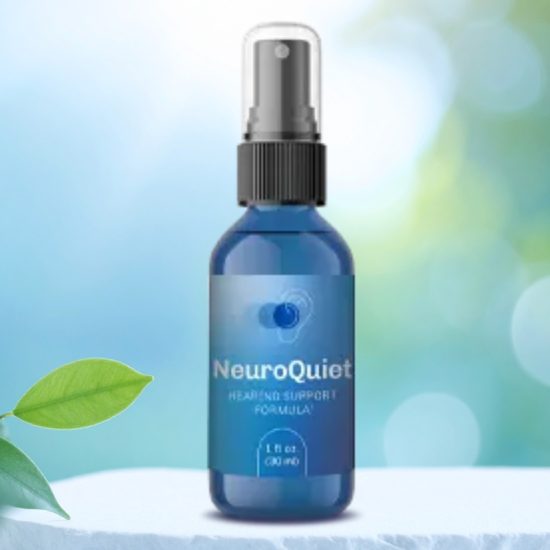
NeuroQuiet
Original price was: $69.00.$49.00Current price is: $49.00. Buy From This Official Website