Original price was: $89.00.$49.00Current price is: $49.00.
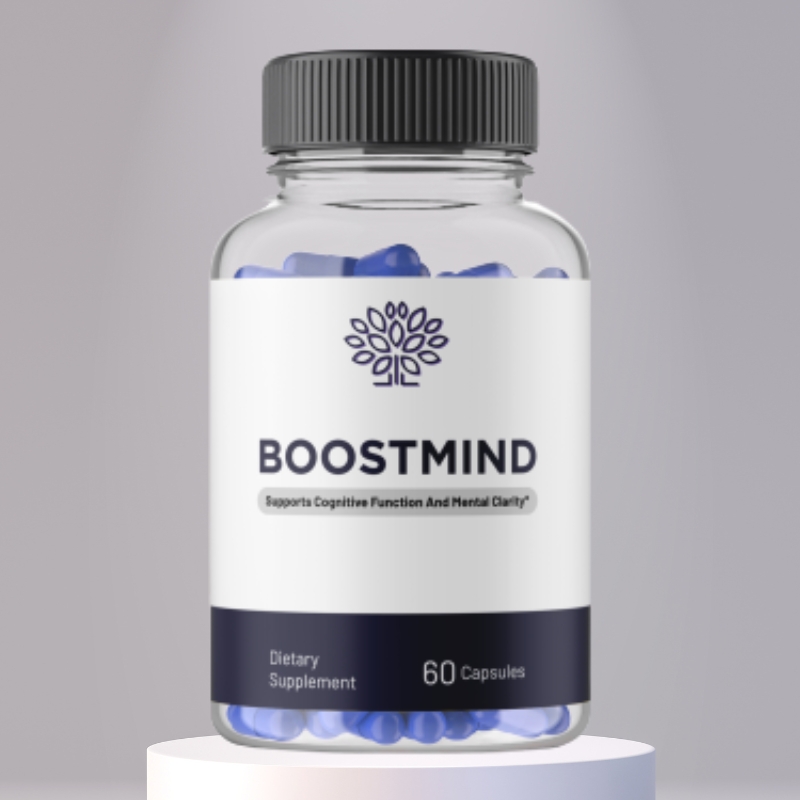
BoostMind is a premium cognitive support supplement formulated with five research-backed ingredients — Ginkgo Biloba, Bacopa Monnieri, Lion's Mane Mushroom, Rhodiola Rosea, and L-Theanine — designed to support sharper focus, clearer thinking, and lasting mental energy without stimulants or crashes.
Whether you're a busy professional, student, or simply looking to stay mentally sharp as you age, BoostMind's multi-pathway formula works with your brain's natural systems to support memory, concentration, and stress resilience daily. Each bottle contains 60 capsules — a full 30-day supply — and bundles are available for greater savings.
Dietary supplement. These statements have not been evaluated by the Food and Drug Administration. This product is not intended to diagnose, treat, cure, or prevent any disease. Individual results may vary.
Description
In a world where mental demands seem to compound by the day, it is no surprise that the market for cognitive wellness supplements has expanded dramatically. From students navigating heavy course loads to professionals managing high-stakes deadlines and older adults seeking to protect long-term brain health, people across virtually every demographic are increasingly looking beyond caffeine for sustainable mental support. Enter nootropic blends — multi-ingredient dietary supplements formulated to support focus, memory, mental clarity, and cognitive endurance through the combined action of botanicals, adaptogens, and amino acids. Among the products gaining attention in this growing category is BoostMind, a cognitive support supplement positioned for individuals who want a research-inspired approach to daily brain performance.
At TotalCareMedical.com, our editorial team approaches every supplement with the same framework we apply to any health topic: ingredient science, clinical literature, practical consumer considerations, and honest transparency about what the evidence does — and does not — support. We do not prescribe, diagnose, or make therapeutic claims. What we do is bridge the gap between the research and the real-world consumer who is trying to make a thoughtful, informed decision. With BoostMind, that means looking carefully at each ingredient in its formulation, evaluating the quality of the science behind it, assessing the product's positioning relative to the cognitive wellness category, and presenting a clear-eyed analysis that respects both the potential value and the natural limitations of dietary supplementation.
This review covers everything a well-informed reader should consider before trying BoostMind: what the product is designed to do, who it may be most appropriate for, what the ingredient research actually shows, pricing, and the broader question of whether a nootropic supplement can realistically support the cognitive outcomes it targets. As always, readers are encouraged to consult with a qualified healthcare provider before beginning any new supplement, particularly those with existing health conditions, who are pregnant or nursing, or who take prescription medications. With that foundation in place, here is what our editorial team found.
BoostMind Product Overview
Product Overview
Product Name: BoostMind
Category: Cognitive Support / Nootropic Dietary Supplement
Primary Purpose: To support focus, memory, mental clarity, and overall cognitive wellness through a blend of botanical and adaptogenic ingredients
Formulation: Capsule-based dietary supplement
Key Ingredients: Ginkgo Biloba, Bacopa Monnieri, Lion's Mane Mushroom, Rhodiola Rosea, L-Theanine
Bottle Contents: 60 capsules per bottle (approximately a 30-day supply based on standard recommended dosing)
Guarantee: Please visit the official BoostMind website for the most current guarantee and return policy details, as these are subject to change
Cost: Starts at $89 per bottle; multi-bottle packages available at lower per-bottle pricing (see pricing section for full details)
Where to Buy: Official website — getboostmind.com
Editorial Note: The product information above is drawn from publicly available marketing materials as of the time of this writing. Formulation details, pricing, and policies are subject to change. Always verify current product specifications on the official website before purchasing.
What Is BoostMind?
BoostMind is a daily cognitive support supplement formulated with a blend of five key ingredients that have each attracted meaningful scientific attention in the areas of memory, focus, mental clarity, and stress resilience: Ginkgo Biloba, Bacopa Monnieri, Lion's Mane Mushroom, Rhodiola Rosea, and L-Theanine. The product is presented as a nootropic — a term that broadly refers to compounds or formulations intended to support cognitive function — and is designed to be taken on a regular basis as part of a daily wellness routine.
Unlike stimulant-based products that rely primarily on caffeine or synthetic compounds to produce an acute, short-lived spike in alertness, BoostMind's formulation philosophy appears to center on longer-term, mechanism-based cognitive support. Each ingredient in the blend operates through a different primary pathway — some work on cerebrovascular circulation, some on neurotransmitter systems, some on stress hormone modulation, and some on neural growth and connectivity. The result is a multi-pathway approach to brain health that targets more than one aspect of cognitive function simultaneously.
From an ingredient science standpoint, this kind of synergistic formulation strategy is a common and often well-reasoned approach in the nootropic category. Rather than relying on a single high-dose botanical to deliver all the cognitive support, a thoughtfully assembled blend allows each ingredient to contribute its specific mechanism while collectively supporting a broader cognitive wellness profile. Whether that synergy translates into meaningful, noticeable results for individual users depends on numerous factors — including baseline cognitive status, lifestyle habits, dosing consistency, and individual biochemistry — but the ingredient selection in BoostMind reflects a scientifically grounded approach to the category.
The supplement is delivered in capsule form, with each bottle containing 60 capsules. Based on standard dosing conventions for multi-ingredient nootropic blends, this represents approximately a 30-day supply. The product is positioned for daily use, which is consistent with the pharmacological profiles of several key ingredients — particularly Bacopa Monnieri and Lion's Mane Mushroom — whose research-backed benefits tend to emerge with consistent, extended use rather than single-dose administration.
BoostMind is marketed as a direct-to-consumer product, available exclusively through the official website. This distribution model is increasingly common among premium supplement brands, allowing for tighter quality control and the ability to communicate directly with customers without the margin pressures and shelf space constraints of retail distribution. For consumers, it means the most reliable source for the product — and the safest way to ensure product authenticity — is always the official purchasing channel.
It is important to note, as with all dietary supplements, that BoostMind is not a drug and is not intended to diagnose, treat, cure, or prevent any disease or medical condition. The product is designed to support general cognitive wellness in healthy adults as part of a broader healthy lifestyle. Anyone experiencing significant cognitive concerns, memory loss, or neurological symptoms should consult a qualified healthcare provider rather than relying on supplementation alone.
Who Is BoostMind Specifically For?
One of the more useful questions a thoughtful consumer can ask about any supplement is not simply “does it work?” but rather “is this designed for someone like me?” Cognitive wellness is not a monolithic need — the brain health priorities of a 25-year-old graduate student differ meaningfully from those of a 55-year-old executive managing a demanding workload, and both differ from those of a 68-year-old retiree focused on long-term cognitive maintenance. Understanding who a given product was formulated to serve helps prospective buyers calibrate their expectations appropriately.
Based on the ingredient profile and formulation philosophy reflected in BoostMind, the product appears to be most relevant for several distinct consumer profiles.
Professionals managing high cognitive demands. Adults in demanding careers — whether in finance, medicine, law, technology, or any field requiring sustained concentration, complex problem-solving, and sharp memory — represent a natural fit for a daily nootropic blend like BoostMind. The inclusion of Rhodiola Rosea, an adaptogen with research support for reducing cognitive fatigue under stress, and L-Theanine, which is associated with calm, focused attention, makes the formulation particularly relevant for individuals whose mental performance is routinely taxed by workload pressure.
Students and academics. The cognitive demands of higher education — processing large volumes of information, retaining material across extended study sessions, maintaining focus during lengthy exams — align well with the primary mechanisms of BoostMind's ingredients. Bacopa Monnieri, in particular, has been researched specifically in the context of learning and memory consolidation, and its traditional use in Ayurvedic medicine has long been associated with academic performance support.
Adults over 40 interested in proactive brain health. Cognitive changes associated with normal aging — subtle shifts in processing speed, word retrieval, and working memory — often begin to become noticeable in the fourth and fifth decades of life, well before any clinical threshold is reached. Adults in this demographic who are proactively supporting their cognitive health through nutrition, exercise, and lifestyle choices may find BoostMind's combination of neuroprotective and circulation-supporting ingredients to be a meaningful addition to their wellness regimen.
Individuals experiencing mental fatigue or brain fog. Whether from poor sleep, extended periods of stress, hormonal shifts, or the cumulative cognitive toll of modern digital life, many adults describe experiencing “brain fog” — a subjective sense of reduced mental clarity, slower thinking, and difficulty concentrating. Several of BoostMind's ingredients have been researched in the context of supporting mental energy and reducing the subjective experience of cognitive fatigue, making it potentially relevant for this broad population.
Those seeking a stimulant-free cognitive support option. Consumers who are sensitive to caffeine, who have already maxed out their caffeine tolerance, or who specifically want to avoid stimulant-based products may appreciate BoostMind's botanical and adaptogenic formulation as an alternative approach to daily cognitive support.
Important: BoostMind is a dietary supplement intended for healthy adults. It is not appropriate for children or adolescents, and individuals who are pregnant, nursing, or managing chronic health conditions should consult a healthcare provider before use. Anyone currently taking prescription medications — particularly blood thinners, antidepressants, or medications affecting the central nervous system — should discuss potential interactions with a qualified clinician before introducing any new supplement.
Does BoostMind Work?
This is the question every thoughtful consumer asks — and the honest answer requires a nuanced response that neither dismisses the product out of hand nor overpromises what any dietary supplement can reliably deliver.
Let's begin with what the science actually supports. BoostMind's five key ingredients — Ginkgo Biloba, Bacopa Monnieri, Lion's Mane Mushroom, Rhodiola Rosea, and L-Theanine — are among the most researched natural ingredients in the cognitive health category. Each has a meaningful body of peer-reviewed literature examining its mechanisms and effects on various aspects of brain function. This is not a collection of fringe or poorly studied botanicals — these are ingredients that appear regularly in published clinical research, that are discussed in academic reviews of cognitive wellness interventions, and that have long histories of traditional use in multiple healing traditions around the world.
That said, the research landscape for natural nootropics is nuanced. Many of the individual studies on these ingredients are relatively small, conducted over limited durations, or performed in specific populations that may not reflect every prospective BoostMind user. The evidence base is strongest and most consistent for some ingredients (Bacopa Monnieri's effects on memory consolidation, Rhodiola Rosea's effects on stress-related cognitive fatigue) and more preliminary for others (Lion's Mane Mushroom's effects on neurogenesis in humans, for example, where the mechanistic data is compelling but larger human trials are still needed).
What is important to understand about nootropic blends specifically is that individual response varies considerably. Cognitive supplements, unlike acute pharmaceutical interventions, tend to work subtly and cumulatively. Most of the ingredients in BoostMind require consistent daily use over a period of weeks before their full effects become noticeable — Bacopa Monnieri, for instance, has shown its most consistent benefits in studies lasting 8–12 weeks. Users expecting dramatic, immediate results from a first dose will likely be disappointed; users who integrate BoostMind into a consistent daily routine alongside a brain-healthy lifestyle may be better positioned to experience meaningful benefits.
Lifestyle context matters enormously. A supplement taken alongside poor sleep, chronic high stress, a nutritionally poor diet, and sedentary behavior is unlikely to produce the same outcomes as the same supplement taken by someone who prioritizes sleep, manages stress effectively, eats a nutrient-rich diet, and exercises regularly. This is true across the supplement category, and nootropics are no exception.
The formulation logic behind BoostMind is sound: combining ingredients that operate through complementary pathways — cerebrovascular circulation, neurotransmitter support, stress hormone modulation, neuroprotection, and neural growth factor stimulation — addresses cognitive function from multiple angles simultaneously. This multi-mechanism approach is consistent with how leading researchers in the cognitive health field generally think about comprehensive brain support.
Our editorial team's overall assessment: BoostMind's ingredient selection reflects a well-reasoned, research-informed approach to cognitive support supplementation. Users who approach it as a long-term daily wellness tool — not a quick fix — and who pair it with a genuinely brain-healthy lifestyle are the most likely to perceive its benefits. As with any supplement, individual results will vary.
BoostMind Real Customer Reviews and Testimonials
Online discussions about cognitive support supplements like BoostMind tend to reflect a recognizable pattern among consumers who report positive experiences. Many describe a gradual, cumulative improvement rather than a sudden shift — noting that after several weeks of consistent use, they find it easier to maintain concentration during long work sessions, feel less mentally fatigued by mid-afternoon, and experience what many describe as “clearer” thinking. Common themes include improved recall during conversations and meetings, a subjective reduction in the “scattered” feeling many attribute to daily stress, and the ability to stay on task without relying on additional caffeine.
As with any dietary supplement, individual experiences vary. Some users report noticing effects relatively quickly, while others describe a more gradual adjustment period. It is also worth noting that consumer reviews of cognitive supplements often reflect the highly individualized nature of brain health — factors including sleep quality, stress levels, diet, hydration, and overall health status all influence how any cognitive support product is perceived. Individual results will vary. These accounts are representative of consumer experiences with similar cognitive support formulations and are not guarantees of specific outcomes. Always consult a healthcare provider to determine whether any supplement is appropriate for your individual health needs.
What Are the Ingredients in BoostMind?
BoostMind's formulation is built around five primary ingredients, each selected for its role in supporting one or more aspects of cognitive function. Below, our editorial team provides an evidence-informed overview of each ingredient and the mechanisms through which it may contribute to brain health and mental performance.
Ginkgo Biloba
Ginkgo Biloba is one of the most extensively researched botanical ingredients in the cognitive health category. Derived from the leaves of the ancient Ginkgo tree — one of the oldest tree species on Earth — Ginkgo Biloba extract has been studied primarily for its effects on cerebrovascular circulation and its antioxidant properties. The active compounds in Ginkgo extract, particularly flavonoids and terpenoids, are thought to support healthy blood flow to the brain and to act as free radical scavengers, helping to protect neural tissue from oxidative stress. Research has examined Ginkgo Biloba in the context of attention, processing speed, memory recall, and age-related cognitive changes. While results across studies have been mixed — and some large trials have not confirmed dramatic effects — a meaningful body of research does support the ingredient's role in supporting cognitive circulation and antioxidant defense. As a complementary ingredient in a multi-component nootropic blend, Ginkgo Biloba contributes a well-established mechanism of action that is distinct from other ingredients in the BoostMind formulation.
Bacopa Monnieri
Bacopa Monnieri is an Ayurvedic herb with one of the strongest evidence bases among all natural nootropic ingredients. The active compounds in Bacopa — known as bacosides — have been studied extensively for their effects on memory formation, learning speed, and cognitive processing. Human clinical trials have shown that consistent Bacopa supplementation over periods of 8–12 weeks can support improvements in verbal learning, memory consolidation, and information retention, particularly in the context of new learning tasks. Bacopa is also thought to support healthy acetylcholine activity — a key neurotransmitter involved in memory — and to offer antioxidant protection in neural tissue. Importantly, Bacopa's benefits are most pronounced with sustained, consistent use: this is not an ingredient that produces acute, single-dose effects, but rather one whose benefits build over time. For individuals integrating BoostMind into a consistent daily routine, Bacopa Monnieri represents one of the formulation's strongest evidence-backed contributions to long-term cognitive wellness.
Lion's Mane Mushroom
Lion's Mane (Hericium erinaceus) is a culinary and medicinal mushroom that has attracted significant scientific interest for its potential role in supporting neurological health. The compounds of greatest research interest in Lion's Mane — hericenones and erinacines — have been shown in preclinical research to stimulate the production of Nerve Growth Factor (NGF), a protein essential for the growth, maintenance, and survival of neurons. This neurogenic potential is what makes Lion's Mane particularly compelling in the context of long-term brain health: rather than simply modulating existing neurotransmitter systems, it may support the structural health and connectivity of the neural networks that underlie cognitive function. Human clinical research on Lion's Mane is still developing — the most notable trials have been conducted in older adults with mild cognitive concerns — but the mechanistic evidence is compelling, and the ingredient is generally well-tolerated. In a daily cognitive support formulation like BoostMind, Lion's Mane contributes a neuroprotective and potentially neurogenic dimension that is notably different from the circulation-supporting or neurotransmitter-focused mechanisms of other ingredients in the blend.
Rhodiola Rosea
Rhodiola Rosea is a well-researched adaptogen — a class of botanical compounds that are broadly defined by their ability to help the body and mind respond more effectively to physical and mental stress. The active compounds in Rhodiola, particularly rosavins and salidroside, have been studied extensively in the context of cognitive fatigue, mental endurance, and performance under stress. Multiple human studies have demonstrated that Rhodiola supplementation can support reductions in self-reported fatigue, improvements in concentration and processing speed during demanding cognitive tasks, and more stable mood and cognitive performance in high-stress contexts. For anyone whose cognitive performance is routinely compromised by the mental toll of sustained stress — a description that applies to a very broad segment of modern adults — Rhodiola's adaptogenic mechanisms represent a meaningful contribution to daily cognitive support. The ingredient also has a strong safety profile and a long history of traditional use in Scandinavian and Eastern European herbal medicine, where it was historically used to support mental and physical endurance under demanding conditions.
L-Theanine
L-Theanine is a naturally occurring amino acid found primarily in green and black tea leaves. It is one of the most broadly supported and well-tolerated ingredients in the cognitive wellness category, with a particularly compelling body of research on its effects on mental focus and calm alertness. L-Theanine is thought to promote alpha brain-wave activity — a neural pattern associated with relaxed, focused attention — and to support healthy levels of key neurotransmitters including GABA, serotonin, and dopamine. One of its most well-established applications in the research literature is in combination with caffeine, where L-Theanine has been shown to smooth out the stimulatory effects of caffeine while preserving its alertness-enhancing benefits. In a non-stimulant formulation like BoostMind, L-Theanine contributes a calming yet focusing quality that complements the longer-acting, mechanism-based effects of the other ingredients. For individuals who tend toward mental restlessness, anxiety-driven distraction, or difficulty settling into focused concentration, L-Theanine is one of the most research-supported natural options available.
BoostMind Science
The scientific foundation underlying BoostMind's ingredient profile draws from multiple disciplines within neuroscience, pharmacognosy, and clinical nutrition research. Understanding that foundation requires looking not at the supplement as a whole — which, as a proprietary commercial product, has not undergone the kind of large-scale randomized controlled trials that pharmaceutical drugs require — but at the individual ingredient research that informs the rationale for the formulation.
Bacopa Monnieri has perhaps the most robust human clinical evidence in the blend. A 2001 randomized, double-blind, placebo-controlled trial published in Psychopharmacology found that 300mg of Bacopa extract over 12 weeks produced significant improvements in the rate of learning, memory consolidation, and measures of information processing compared to placebo. A 2008 Australian study by Morgan and Stevens similarly demonstrated improvements in verbal learning rate and memory in healthy older adults taking Bacopa over a 12-week period. The consistent theme across Bacopa research is that benefits require sustained use — typically 8 to 12 weeks — and are most notable in memory consolidation and the speed of new learning.
Rhodiola Rosea's research base in cognitive performance is also substantial. A foundational study by Spasov and colleagues (2000), published in Phytomedicine, found that Rhodiola extract helped reduce exam-related fatigue and improved cognitive performance indicators in student subjects during a stressful examination period. A 2009 pilot study published in the Journal of Alternative and Complementary Medicine found that Rhodiola reduced burnout-related cognitive and physical fatigue in stress-burdened individuals over a 12-week period. The adaptogen's effects on the HPA (hypothalamic-pituitary-adrenal) axis — the body's central stress-response system — are thought to be central to its cognitive benefits, with reduced cortisol dysregulation allowing for improved focus and mental clarity under pressure.
Ginkgo Biloba has been studied in numerous clinical contexts. A frequently cited randomized trial by Mix and Crews (2000) found that standardized Ginkgo extract (EGb 761) produced improvements in several cognitive domains in healthy older adults compared to placebo. The antioxidant and cerebrovascular mechanisms by which Ginkgo is thought to act are well-characterized: flavonoid glycosides in the extract help neutralize free radicals that can damage neural tissue, while terpenoids support healthy vascular tone and cerebral blood flow.
Lion's Mane mushroom's human clinical data, while still developing, includes a noteworthy double-blind placebo-controlled trial published in Phytotherapy Research (2009), in which subjects receiving Lion's Mane extract over 16 weeks showed significantly higher scores on a standardized cognitive function test compared to placebo, with scores declining after discontinuation — suggesting the benefits were directly associated with ongoing supplementation. Preclinical research on NGF stimulation by Lion's Mane hericenones has been replicated across multiple laboratory studies, supporting the theoretical basis for its long-term neuroprotective potential.
L-Theanine's alpha brain-wave promoting effects have been demonstrated in EEG studies, and its calming-without-sedation profile is among the most consistent findings in the nutraceutical literature. A meta-analysis of L-Theanine research published in 2019 in Plant Foods for Human Nutrition concluded that the amino acid supports attention, vigilance, and mental accuracy, particularly in individuals experiencing heightened stress or anxiety. Note: These studies examine the individual ingredients, not BoostMind as a completed formulation. Dietary supplements as combined products are not held to the same evidence standards as pharmaceutical drugs, and the research cited here should not be interpreted as proof that BoostMind itself will produce any specific clinical outcome in any individual user.
BoostMind Benefits
Based on the ingredient research associated with BoostMind's formulation, the following are the primary cognitive and wellness benefits that the product's mechanisms are designed to support. As always, these are framed in terms of what the ingredient science suggests, not as guaranteed individual outcomes.
Support for Focus and Sustained Attention. One of the most commonly sought-after cognitive benefits among adults today is the ability to sustain meaningful concentration over extended periods — to enter a state of focused, productive attention and maintain it through distractions. BoostMind's formulation addresses this from several angles. L-Theanine promotes alpha brain-wave activity associated with calm, alert focus. Rhodiola Rosea helps mitigate the cognitive drag of stress and mental fatigue that so often fragments attention. Ginkgo Biloba supports the cerebrovascular circulation that delivers oxygen and glucose to the prefrontal cortex — the brain region most critical to sustained attention and executive function. Together, these mechanisms create a multi-pathway approach to supporting the focused cognitive state that productive work requires. For individuals who find their concentration fragmenting under stress, distraction, or fatigue, addressing all three underlying mechanisms simultaneously — rather than relying on stimulant-driven acute alertness — reflects a physiologically grounded strategy.
Support for Memory and Information Retention. Bacopa Monnieri's research-backed contributions to memory consolidation and verbal learning represent one of the most evidence-supported dimensions of BoostMind's ingredient profile. Memory formation is a complex neurological process involving the hippocampus, the cholinergic system, synaptic plasticity, and the brain's overall state of arousal and stress. Bacopa's bacosides are thought to support synaptic communication and protect neurons from oxidative damage — both of which contribute to the brain's capacity to form and retrieve memories. Lion's Mane adds a neuroprotective and potentially neurogenic dimension: by supporting NGF production, it may contribute to the health and connectivity of the neural networks that store and retrieve information. For users who notice they are slower to recall names, details, or recently learned material, or who want to support their long-term cognitive reserve, this combination of memory-relevant mechanisms is among the most scientifically grounded available in the natural nootropic category.
Support for Mental Clarity and Reduction of Brain Fog. Mental clarity is one of those experiential qualities that is difficult to quantify scientifically but enormously important in daily life. Many adults describe periods of cognitive cloudiness — a subjective sense that thinking is slower, less sharp, or more effortful than it should be. Multiple factors contribute to this experience, including oxidative stress, poor cerebral circulation, elevated cortisol, and suboptimal neurotransmitter balance. BoostMind's ingredient blend targets several of these factors simultaneously: Ginkgo's antioxidant and circulatory support, Rhodiola's cortisol-moderating effects, L-Theanine's neurotransmitter-balancing properties, and Bacopa's neuroprotective action collectively address multiple contributors to the brain fog experience. While no supplement can guarantee the elimination of cognitive cloudiness — the causes of which are multifactorial and highly individual — addressing this range of underlying mechanisms offers a physiologically coherent approach to supporting mental clarity.
Support for Stress Resilience and Cognitive Performance Under Pressure. One of the most practically important and often underappreciated aspects of cognitive wellness is how the brain performs not in optimal conditions, but under the kinds of demands and pressures that characterize modern professional and personal life. The same neural systems that support brilliant thinking when relaxed are significantly compromised by chronic or acute stress — elevated cortisol narrows cognitive flexibility, impairs working memory, and diminishes the brain's capacity for creative problem-solving. Rhodiola Rosea, as one of the most rigorously studied adaptogens for stress-related cognitive fatigue, directly addresses this dimension. Its mechanism — supporting healthier HPA axis function and reducing the cortisol burden on the brain — is especially relevant for professionals, parents, caregivers, and others who operate under sustained cognitive and emotional pressure. When the stress-resilience dimension is working well, other aspects of cognitive function — focus, memory, and clarity — naturally benefit as well.
Support for Long-Term Brain Health. Perhaps the most compelling and differentiating benefit associated with BoostMind's formulation is its potential contribution to long-term cognitive health rather than simply acute performance. Lion's Mane Mushroom's NGF-stimulating properties, Bacopa's neuroprotective antioxidant action, and Ginkgo's free-radical scavenging mechanisms collectively support the structural integrity and functional longevity of the neural networks that underlie cognition. As the population ages and awareness of long-term brain health continues to grow, the category of supplements that support not just today's focus but tomorrow's cognitive reserve has attracted increasing scientific and consumer interest. BoostMind's multi-ingredient approach — combining acute cognitive support mechanisms with longer-acting neuroprotective ones — addresses both the immediate and the longitudinal dimensions of cognitive wellness.
BoostMind: Pros and Cons
After reviewing the ingredient profile, scientific literature, formulation rationale, and available consumer information, our editorial team offers the following balanced assessment.
Pros:
Research-backed ingredient selection. All five key ingredients — Ginkgo Biloba, Bacopa Monnieri, Lion's Mane Mushroom, Rhodiola Rosea, and L-Theanine — have meaningful bodies of peer-reviewed research supporting their roles in cognitive function. This is not a collection of fringe or poorly documented botanicals.
Multi-mechanism formulation strategy. Rather than relying on a single ingredient or mechanism, BoostMind combines ingredients that work through complementary pathways (circulation, neurotransmitter support, stress adaptation, neuroprotection, neural growth factors), creating a more comprehensive approach to cognitive support than single-ingredient products.
Stimulant-free approach. The absence of caffeine or synthetic stimulants may appeal to a significant subset of users who want cognitive support without the jitteriness, energy crashes, or sleep disruption associated with stimulant-based products.
Broad consumer relevance. The formulation is relevant across a wide range of use cases — from professional performance to age-related cognitive maintenance — making it versatile in its application.
Established ingredient safety profiles. The five ingredients in BoostMind are among the more well-tolerated natural nootropics and have generally favorable safety profiles in the published literature when used at appropriate doses.
Cons:
Premium price point. At $89 per single bottle, BoostMind sits at the higher end of the direct-to-consumer nootropic supplement market. Budget-conscious consumers may find the cost prohibitive, particularly at single-bottle pricing.
Results require patience. Several of the key ingredients — particularly Bacopa Monnieri — require 8–12 weeks of consistent daily use before their most meaningful effects can be assessed. Users expecting rapid, dramatic results may be disappointed and may discontinue before experiencing the product's potential benefits.
Individual variability. As with all dietary supplements, cognitive response varies significantly between individuals. What produces noticeable improvements for one user may be less perceptible to another, depending on baseline cognitive status, lifestyle, health, and individual biochemistry.
Limited combined-formula clinical evidence. While the individual ingredients have research support, BoostMind as a complete formulation has not undergone independent clinical trials, as is typical for dietary supplements. The efficacy of the specific combination and dosing used in BoostMind cannot be confirmed from existing published research alone.
Exclusive online availability. BoostMind is not available in retail stores, which may be an inconvenience for consumers who prefer in-person purchasing or want to review physical product labeling before buying.
What Is the Price of BoostMind?
BoostMind is available through its official website in three bundle configurations, following a tiered pricing model in which the per-bottle cost decreases as the bundle size increases. Each bottle contains 60 capsules, designed as a 30-day supply at the standard recommended dosage.
1 Bottle — 30-Day Supply (Basic Package)
Intended for first-time buyers who want to evaluate BoostMind before committing to a larger supply.
- Price per bottle: $89
- Shipping: $9.99
- Total: $89 + $9.99 shipping
- Best for: Initial trial
3 Bottles — 90-Day Supply (Popular Package)
The three-bottle bundle provides a full three-month supply at a meaningfully reduced per-bottle price — and is particularly relevant given that several BoostMind ingredients require 8–12 weeks of consistent use to deliver their full potential benefits.
- Price per bottle: $69
- Total: $207
- Savings: Up to $240 compared to single-bottle pricing
6 Bottles — 180-Day Supply (Ultimate Discount)
The largest available package offers the lowest per-bottle price and the greatest total savings, with free fast shipping included.
- Price per bottle: $49
- Total: $294
- Savings: Up to $600 compared to single-bottle pricing
- Free fast shipping included
Quick Pricing Overview:
- 1 Bottle: $89/bottle + $9.99 shipping
- 3 Bottles: $69/bottle — $207 total
- 6 Bottles: $49/bottle — $294 total (free shipping)
Pricing Disclaimer: All pricing information above reflects available data at the time of this article's publication and is subject to change at any time without notice. Promotional pricing, bundle availability, and shipping rates may vary. Always verify current pricing directly on the official BoostMind website before completing a purchase.
More BoostMind Actual User Reviews and Testimonials
Consumer feedback patterns for nootropic supplements like BoostMind tend to be most informative when viewed longitudinally — that is, when users share their experience after several weeks or months of consistent use rather than after a few days. In online discussions about multi-ingredient cognitive blends featuring ingredients like Bacopa Monnieri and Lion's Mane, reviewers who stick with the product through the four-to-eight-week threshold more commonly report noticing meaningful differences in their ability to stay focused during long work sessions, their mental stamina late in the day, and their subjective sense of cognitive clarity compared to earlier in the day or week. Some users specifically call out reduced mental fatigue as a standout benefit — noting that their brain does not feel as “worn out” after demanding cognitive tasks. Others highlight improvements in multitasking, word retrieval, or the ability to stay on a single task without the mind wandering. As with all dietary supplements, these experiences are individual, and results are not guaranteed. Disclaimer: Individual results will vary. Consumer testimonials reflect individual experiences and are not intended to represent guaranteed or typical outcomes. Dietary supplements are not drugs and are not intended to diagnose, treat, cure, or prevent any disease.
Are There Side Effects to BoostMind?
Understanding the potential for side effects is a critical component of any responsible supplement evaluation, and it is a dimension that our editorial team at TotalCareMedical.com takes seriously. The honest answer for BoostMind — as for most well-formulated botanical nootropic blends — is that the ingredient profile is generally considered to have a favorable safety record, but that does not mean side effects are impossible. Individual variation in supplement tolerance is real and meaningful.
Bacopa Monnieri is one of the most well-studied ingredients in the blend from a safety standpoint, and its most commonly reported side effect is mild gastrointestinal discomfort — nausea, stomach cramping, or loose stools — particularly when taken on an empty stomach. This is a common experience across fat-soluble botanical supplements and is typically mitigated by taking Bacopa with food. Most users who report this initial discomfort find that it resolves with consistent use or dose adjustment.
Ginkgo Biloba has a broadly favorable safety profile but is worth noting for individuals taking anticoagulant medications (blood thinners such as warfarin or aspirin). Ginkgo has mild blood-thinning properties, and combining it with pharmaceutical anticoagulants may increase bleeding risk. This is one of the more clinically significant potential interactions associated with any ingredient in BoostMind's formula, and it is a reason why individuals on any anticoagulant medication should consult their healthcare provider before use.
Rhodiola Rosea is generally well-tolerated, though at higher doses some individuals report mild jitteriness or difficulty sleeping — particularly if taken late in the day. For most users at standard supplemental doses, Rhodiola does not produce notable adverse effects and may actually support sleep quality through its stress-modulating mechanisms.
Lion's Mane Mushroom has an excellent safety record in the human clinical literature, with no significant adverse effects reported at supplemental doses in published trials. The primary theoretical concern with mushroom-derived supplements is potential allergic reactions in individuals with known mushroom sensitivities, though this appears to be uncommon with Lion's Mane specifically.
L-Theanine is one of the most broadly well-tolerated ingredients in the supplement category. It is a naturally occurring component of green tea that humans have consumed for thousands of years without significant adverse effects. No meaningful drug interactions or safety concerns have been identified in the research literature at standard supplemental doses.
As a general principle, multi-ingredient supplements carry a slightly greater potential for individual sensitivity reactions compared to single-ingredient products, simply due to the complexity of the formulation. Individuals who are new to nootropic supplementation, who take multiple medications, or who have any pre-existing health conditions should always consult a qualified healthcare provider before beginning any new supplement. This article does not constitute medical advice, and the information presented here should not be used as a substitute for professional medical guidance.
Who Makes BoostMind?
BoostMind is marketed and sold through the official website at getboostmind.com, operating as a direct-to-consumer cognitive wellness supplement brand. The product is available exclusively through online channels and does not appear to be distributed through retail outlets, which is consistent with the premium direct-to-consumer model that has become increasingly common among wellness supplement brands focused on quality control and customer relationships.
Based on publicly available marketing materials, BoostMind is produced under GMP (Good Manufacturing Practice) standards, which represent the minimum quality manufacturing benchmarks set by regulatory authorities for dietary supplement production. GMP-compliant manufacturing includes requirements for ingredient testing, quality control procedures, facility cleanliness, and accurate labeling — standards that responsible supplement brands uphold to ensure product consistency and consumer safety.
The direct-to-consumer distribution model employed by BoostMind offers several consumer advantages worth noting. By selling exclusively through their own channels rather than through third-party retailers, the brand maintains direct control over storage, handling, and fulfillment — reducing the risk of products being subjected to improper storage conditions, counterfeiting, or adulteration that can occur when supplements pass through multiple intermediaries. For consumers, this means that purchasing from the official website is both the recommended and the most reliable way to obtain the product.
We would encourage prospective buyers to review the brand's full terms of service, return policy, and contact information — all of which should be accessible on the official website — before completing a purchase. Understanding a brand's customer service practices, return window, and guarantee structure provides important assurance for consumers making a multi-bottle investment. Our editorial team recommends visiting the official site directly to review all current product, company, and policy information, as these details are subject to update.
Editorial Note: TotalCareMedical.com does not have an independent relationship with the manufacturer of BoostMind and cannot independently verify all company claims. This review is based on publicly available information at the time of publication. Readers are encouraged to conduct their own due diligence and consult a healthcare provider with any specific questions about product safety or suitability.
Does BoostMind Really Work?
The question of whether any supplement “really works” is inseparable from a broader question that the research literature addresses with increasing clarity: what actually supports brain health and cognitive performance? The honest answer, backed by decades of neuroscience and clinical research, is that supplements exist within an ecosystem — and their effectiveness is profoundly shaped by the lifestyle behaviors they accompany.
The brain is one of the body's most metabolically demanding organs, consuming approximately 20% of the body's total energy despite representing only about 2% of its mass. That metabolic demand is met not just by what we put in a capsule, but by how we eat, how we move, how we sleep, and how we manage stress. Understanding this context is not a way of dismissing supplements — it is a way of understanding how to use them most effectively.
Diet is the foundational layer of brain health. The brain requires an extraordinary array of nutrients to function optimally: omega-3 fatty acids (particularly DHA) for cell membrane integrity and anti-inflammatory signaling; B vitamins — B6, B9, and B12 — for neurotransmitter synthesis and homocysteine metabolism; choline for acetylcholine production; magnesium for synaptic plasticity; zinc for neurotransmitter function; and a constant supply of antioxidants from colorful plant foods to defend against the oxidative stress that neural tissue is perpetually exposed to. Diets that are poor in these nutrients — high in ultra-processed foods, refined sugars, and industrial seed oils — create a neurological environment in which even the best-formulated supplement will be working uphill. Diets that emphasize whole foods, vegetables, quality proteins, healthy fats, and abundant micronutrients create the nutritional foundation that allows cognitive support ingredients to operate at their full potential.
Exercise is one of the most powerful cognitive enhancers known to science. Regular physical activity — particularly aerobic exercise — increases BDNF (Brain-Derived Neurotrophic Factor), a protein that supports the growth and survival of neurons and is often described as “Miracle-Gro for the brain” in popular science. Exercise increases cerebral blood flow, reduces neuroinflammation, improves insulin sensitivity in the brain, and directly supports hippocampal neurogenesis — the process by which new neurons are formed in the memory-critical hippocampus. Multiple large-scale studies have demonstrated that regular moderate-intensity exercise is associated with meaningfully lower risk of cognitive decline and better cognitive performance across virtually every measured domain. The relationship between exercise and brain health is not indirect or theoretical — it is one of the most robustly supported findings in the cognitive neuroscience literature.
Sleep is where the brain consolidates everything it learned during the day. During deep sleep, the glymphatic system — the brain's own waste-clearance mechanism — becomes dramatically more active, flushing out metabolic byproducts including amyloid beta, a protein associated with cognitive decline when it accumulates. Memory consolidation, synaptic pruning, and neural repair all depend on adequate, quality sleep. Chronic sleep deprivation is one of the most powerful impairments to cognitive performance known, and no supplement can meaningfully compensate for its effects. Supporting healthy sleep through consistent schedules, good sleep hygiene, and stress management is a prerequisite for optimal cognitive function — and an environment in which supplements like BoostMind are most able to contribute their own benefits.
Stress management shapes the cognitive environment. Chronically elevated cortisol — the body's primary stress hormone — is neurotoxic at sustained high levels, particularly to the hippocampus. Long-term stress shrinks hippocampal volume, impairs memory, reduces cognitive flexibility, and undermines the effectiveness of neurotransmitter systems that depend on a calm, regulated stress response. Rhodiola Rosea's adaptogenic mechanisms directly address this dimension, but they are most effective in an individual who is also actively working to manage stress through lifestyle — sleep, exercise, social connection, mindfulness practices, and appropriate professional support when needed.
Our editorial team's conclusion: BoostMind's ingredient profile is well-constructed to support meaningful cognitive wellness benefits — but those benefits will be most accessible to users who approach the supplement as one component of a genuinely brain-healthy lifestyle, not as a replacement for one. When paired with quality nutrition, regular exercise, adequate sleep, and proactive stress management, a well-formulated cognitive support supplement has the greatest opportunity to contribute to the cognitive performance and long-term brain health that most users are seeking.
Is BoostMind Legit?
This is among the most common questions consumers ask when evaluating any direct-to-consumer supplement, and it deserves a thorough, honest answer. Our editorial team evaluates legitimacy through several lenses: the scientific credibility of the ingredients, the transparency of the product's marketing, the reasonableness of the claims made, the brand's sourcing and manufacturing practices, and whether the product is available through trustworthy channels.
On the ingredient science front, BoostMind scores well. All five key ingredients — Ginkgo Biloba, Bacopa Monnieri, Lion's Mane Mushroom, Rhodiola Rosea, and L-Theanine — are legitimate, well-documented natural compounds with meaningful research supporting their roles in cognitive wellness. These are not obscure, unverified ingredients invented to generate marketing copy; they are among the most studied natural nootropics in the scientific literature and appear regularly in peer-reviewed publications from reputable research institutions.
The marketing framing of BoostMind, based on available materials, does not appear to make the kind of extravagant disease-treatment claims that are both ethically problematic and legally impermissible for dietary supplement products. Cognitive support, memory support, and focus support — the categories in which the product is positioned — are appropriate claims for a supplement in this category when grounded in ingredient-level research, which they are.
The direct-to-consumer model, while not verifiable as a quality guarantee in and of itself, is a legitimate and increasingly standard distribution approach for premium supplement brands. The exclusive online availability and the tiered bundle pricing structure are both common features of this business model and do not in themselves represent red flags.
That said, consumers should bring healthy critical thinking to any supplement purchase. No cognitive supplement can produce pharmaceutical-grade cognitive transformation. BoostMind's ingredients support wellness — they do not cure disease, guarantee outcomes, or substitute for medical care. Evaluating any supplement as a legitimate wellness tool — rather than a miracle product — is the appropriate frame. Through that lens, BoostMind's ingredient selection and formulation rationale reflect a product that is both scientifically grounded and reasonably positioned within its category.
Is BoostMind FDA Approved?
This question reflects a common and important misunderstanding about the regulatory framework governing dietary supplements in the United States — and answering it accurately requires a brief explanation of how that framework actually works.
BoostMind, like all dietary supplements sold in the United States, is not FDA approved. This is not a red flag or a mark against the product — it is simply the regulatory reality for the entire dietary supplement category. Under the Dietary Supplement Health and Education Act (DSHEA) of 1994, dietary supplements are classified differently from pharmaceutical drugs. Drugs require pre-market approval from the FDA, which involves clinical trials demonstrating safety and efficacy before the product reaches consumers. Supplements, by contrast, do not require pre-market FDA approval — manufacturers are responsible for ensuring the safety of their products, and the FDA's role is primarily post-market, monitoring for adverse events, adulteration, and misleading labeling.
This regulatory distinction has important implications for consumers. It means that the FDA has not reviewed the clinical efficacy of BoostMind or any other dietary supplement before it became available for sale. It also means that responsibility for quality manufacturing, ingredient accuracy, and truthful labeling rests primarily with the manufacturer. This is why manufacturing quality standards such as GMP (Good Manufacturing Practice) compliance and third-party testing are meaningful signals of a brand's commitment to product integrity — they represent a manufacturer choosing to apply rigorous quality controls beyond the minimum regulatory requirement.
What the FDA does require is that dietary supplements be manufactured in accordance with GMP guidelines, that they do not contain adulterated or misbranded ingredients, and that any claims made about the product comply with applicable regulations — meaning that supplements may make structure/function claims (such as “supports memory” or “promotes mental clarity”) but may not claim to treat, cure, or prevent any disease.
BoostMind's ingredient-level claims appear consistent with the structure/function claims permitted under supplement regulations. The appropriate consumer takeaway is not “this product is unregulated and therefore unsafe” but rather “this product operates in a regulatory framework that places significant responsibility on manufacturers, making quality manufacturing practices and ingredient transparency the most important signals of a trustworthy product.” Consumers are always encouraged to verify manufacturing standards and consult a healthcare provider with specific concerns.
Where to Buy BoostMind?
BoostMind is available exclusively through its official website at getboostmind.com. Purchasing directly from the official site is the only channel through which consumers can be confident they are receiving an authentic product, have access to any current promotional pricing or bundle discounts, and are covered by the brand's return and guarantee policies. The official site accepts standard payment methods and offers the three bundle configurations described in the pricing section of this review. Because BoostMind is not sold through third-party retailers, any listings purporting to sell BoostMind through other channels should be approached with caution, as authenticity and product integrity cannot be guaranteed through unauthorized sources.
Is BoostMind Really on Amazon, eBay, and Walmart?
BoostMind on Amazon
BoostMind is not available through Amazon or any Amazon-affiliated seller. The brand has made a deliberate choice to sell exclusively through its own direct-to-consumer channel, ensuring that every order is fulfilled under controlled conditions. Any listing on Amazon claiming to be BoostMind should be treated as unauthorized and potentially inauthentic. For genuine product, the official website is the only verified source.
BoostMind on eBay
BoostMind is not authorized for sale on eBay. Third-party marketplace listings on eBay cannot guarantee product authenticity, appropriate storage, or chain of custody from manufacturer to consumer. To protect against the risks of counterfeit or improperly stored product, BoostMind is sold solely through its official website. Any eBay listings for this product fall outside the brand's authorized distribution.
BoostMind on Walmart
BoostMind is not sold at Walmart stores or through Walmart.com. The brand does not use mass retail distribution, preferring to maintain direct relationships with customers through its own platform. Consumers who encounter BoostMind-branded products at Walmart or through Walmart's marketplace should note that these listings are not authorized by the brand, and product authenticity cannot be confirmed through this channel.
Conclusion
After a thorough review of BoostMind's ingredient profile, the scientific literature on its key components, the product's positioning within the cognitive wellness supplement category, and the practical consumer considerations a responsible editorial team must weigh, our overall assessment at TotalCareMedical.com is one of informed, measured endorsement for the right kind of user.
BoostMind is not a miracle product. No supplement is. Its ingredients will not override the cognitive consequences of chronic poor sleep, a nutrient-deficient diet, or a sedentary lifestyle. It is not an FDA-approved drug, and it has not undergone the kind of large-scale independent clinical trials that would allow definitive efficacy claims to be made about the completed formulation. These are honest limitations that any responsible reviewer must acknowledge.
What BoostMind does offer is a scientifically grounded, multi-mechanism approach to daily cognitive support built around five of the most well-researched natural nootropic ingredients available. The formulation logic is coherent: by combining ingredients that address cerebrovascular circulation (Ginkgo Biloba), memory consolidation (Bacopa Monnieri), neural growth and neuroprotection (Lion's Mane Mushroom), stress resilience (Rhodiola Rosea), and calm, focused attention (L-Theanine), the product targets cognitive wellness from multiple complementary angles simultaneously. For a user who brings realistic expectations, commits to consistent daily use over several weeks, and supports supplementation with genuine lifestyle investment in brain health, BoostMind represents a well-reasoned addition to a comprehensive cognitive wellness approach.
The price point is premium, and the most significant savings are available only through multi-bottle packages — a consideration that requires some upfront commitment. Users who want to evaluate the product at lower cost may begin with the single-bottle option, with the understanding that the full potential of the formulation is most reliably assessed over a minimum of 8–12 weeks of consistent use.
As with any supplement, consulting a qualified healthcare provider before beginning BoostMind is the right first step — particularly for individuals with existing health conditions, those on prescription medications, or those who are pregnant or nursing. For healthy adults seeking a thoughtfully formulated, research-informed approach to daily cognitive support, BoostMind merits serious consideration.
This article is for informational purposes only. It does not constitute medical advice, diagnosis, or treatment recommendation. Always consult a qualified healthcare provider before beginning any new dietary supplement.
BoostMind FAQs
1. What is BoostMind and what is it designed to do?
BoostMind is a direct-to-consumer cognitive support dietary supplement formulated with five key ingredients — Ginkgo Biloba, Bacopa Monnieri, Lion's Mane Mushroom, Rhodiola Rosea, and L-Theanine — intended to support focus, memory, mental clarity, and stress resilience as part of a daily wellness routine. It is not a pharmaceutical drug and is not intended to treat, diagnose, or cure any condition.
2. How long does it take for BoostMind to work?
Individual response varies. Some users notice subtle effects within the first week, particularly from ingredients like L-Theanine and Rhodiola Rosea. However, the most meaningful and consistent benefits — particularly from Bacopa Monnieri — tend to emerge after 8–12 weeks of consistent daily use. Users should approach BoostMind as a long-term wellness tool rather than an acute solution.
3. Is BoostMind safe?
The five ingredients in BoostMind have generally favorable safety profiles in the published literature when used at appropriate doses. That said, individual responses vary, and some users may experience mild gastrointestinal sensitivity, particularly from Bacopa Monnieri. Individuals on blood-thinning medications, those with chronic health conditions, pregnant or nursing women, and anyone taking prescription medications should consult a healthcare provider before use.
4. Does BoostMind contain caffeine or stimulants?
Based on the available formulation information, BoostMind does not contain caffeine or synthetic stimulants. This makes it a relevant option for users who are sensitive to stimulants or who prefer to avoid the energy crashes and sleep disruption associated with caffeine-based cognitive products.
5. Can BoostMind be taken with other supplements or medications?
Some interactions are possible, particularly between Ginkgo Biloba and anticoagulant medications. Anyone taking prescription drugs — especially blood thinners, antidepressants, or central nervous system medications — should discuss potential interactions with their prescribing physician or a qualified pharmacist before taking BoostMind.
6. What is the recommended dosage for BoostMind?
Specific dosing instructions are provided on the product label. As a general principle for multi-ingredient nootropic supplements of this type, following the label's recommended dosage consistently and at the same time each day supports the most reliable results. Deviating from the recommended dose is not advised without professional guidance.
7. Is BoostMind FDA approved?
No — BoostMind is a dietary supplement and, like all supplements sold in the US, does not require FDA pre-market approval. The FDA regulates dietary supplements differently from drugs, with oversight focused primarily on manufacturing standards, labeling accuracy, and post-market monitoring rather than pre-approval efficacy trials.
8. Where can I buy BoostMind?
BoostMind is available exclusively through its official website at getboostmind.com. It is not sold through Amazon, eBay, Walmart, or other third-party retail channels. Purchasing through the official site is the only way to ensure product authenticity and coverage under any applicable guarantee or return policy.
9. Is there a money-back guarantee?
Guarantee details are subject to change. Please visit the official BoostMind website for the most current and accurate information about the brand's return policy and satisfaction guarantee before making a purchase decision.
10. What makes BoostMind different from other nootropic supplements?
BoostMind's formulation combines five complementary ingredients that target cognitive wellness through distinct but synergistic mechanisms — circulatory support, memory consolidation, neuroprotection, adaptogenic stress resilience, and calm-focused attention. While many nootropic supplements rely on a single primary ingredient or heavy stimulant loads, BoostMind's multi-pathway, stimulant-free approach represents a more comprehensive and sustainable cognitive support strategy for daily long-term use.
11. Can BoostMind help with age-related cognitive decline?
BoostMind is a dietary supplement, not a medical treatment, and it is not designed or approved to treat, reverse, or prevent any form of clinical cognitive decline or neurological disease. However, several of its ingredients — particularly Bacopa Monnieri, Lion's Mane Mushroom, and Ginkgo Biloba — have been studied in the context of age-related cognitive health, and their neuroprotective mechanisms may be relevant to adults interested in proactive cognitive wellness support. Anyone with concerns about clinically significant cognitive changes should consult a physician.
12. Who should not take BoostMind?
BoostMind should not be taken by individuals under 18, women who are pregnant or nursing, or anyone with a known allergy to any of its ingredients. Individuals managing chronic health conditions, taking prescription medications, or awaiting surgery (given Ginkgo's blood-thinning properties) should consult a healthcare provider before use. This information does not constitute medical advice — always seek professional guidance for your specific health situation.
© TotalCareMedical.com — This content is produced by the TotalCareMedical.com editorial team for informational purposes only. It is not intended as medical advice and does not substitute for consultation with a qualified healthcare provider. Individual supplement results will vary. Statements about dietary supplements have not been evaluated by the Food and Drug Administration. This product is not intended to diagnose, treat, cure, or prevent any disease.
Related products
-
Neuro Serge
$49.00 Buy From The Official Website -

The Genius Song
$39.00 Buy From The Official Website -
Sale!
Mind Vault
Original price was: $68.00.$38.00Current price is: $38.00. Buy From This Official Website -
Sale!
Memobrew
Original price was: $79.00.$49.00Current price is: $49.00. Buy From The Official Website