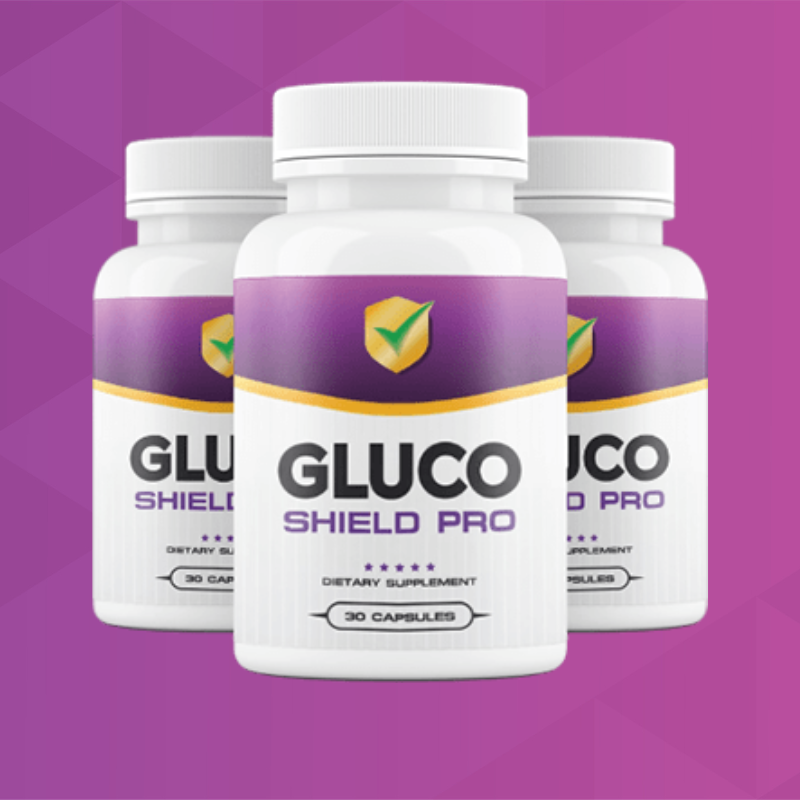
$49.00
Description
You're here because you don't want to gamble on a “blood sugar support” supplement based on glossy marketing and a handful of cherry-picked testimonials. That instinct is healthy. The metabolic wellness space is full of products that borrow clinical-sounding language (“glycemic balance,” “insulin support,” “glucose control”) while quietly relying on vague ingredient blends, unclear dosing, and claims that sound stronger than the evidence. Our editorial team at TotalCareMedical.com approaches products like Gluco Shield Pro the same way we'd evaluate any consumer-facing wellness option: look at the formula, compare it to the clinical literature on its ingredients, reality-check the expected outcomes, and weigh the value against simpler alternatives (dietary interventions, targeted single-ingredient supplements, or clinician-guided care).
Gluco Shield Pro positions itself as a natural supplement that may support healthy blood sugar levels and overall metabolic function. From an evidence-based perspective, that's a broad claim – and broad claims require extra scrutiny. “Supporting” something in the body can mean many things, ranging from helping maintain normal physiology in generally healthy adults to implying that it will meaningfully change biomarkers in people with metabolic conditions. To be clear: dietary supplements are not medications, and responsible reviews should never treat them as such. If you have diabetes, prediabetes, or you're taking medications that affect blood sugar, decisions about supplements should be made with your healthcare provider. Some ingredients commonly used in wellness formulas can interact with medications or affect sleep, mood, or blood pressure.
This article may contain affiliate links. If you choose to purchase through a link, TotalCareMedical.com may earn a commission at no additional cost to you. Our editorial standards require that monetization does not determine conclusions. This content is informational and is not medical advice. Always consult a qualified healthcare professional before starting a new supplement – especially if you are pregnant or nursing, have a medical condition, or take prescription medications.
Product Overview
Formulation:
Gluco Shield Pro is presented as a multi-ingredient capsule-based dietary supplement combining botanical extracts, calming/adaptogenic herbs, and essential vitamins/minerals. While it's marketed in the “blood sugar support” category, the ingredient pattern also overlaps with stress and sleep-supportive formulas (which matters, because stress and sleep can influence appetite, energy regulation, and metabolic habits).
Key Ingredients:
Rhodiola, Chamomile, Lemon Balm, Skullcap, Hawthorn, Bacopa, Magnolia, Passion Flower, Valerian, L-Theanine, Oat Straw, St. John's Wort, Hops, Vitamins B1, B2, B6, Zinc, Magnesium, Calcium, among others. Ingredient lists like this can be meaningful – if doses and extract standards align with studied ranges. If dosing is vague or proprietary, expected impact becomes harder to predict.
Bottle Contents:
Common listings describe a 30-day supply per bottle (capsules). Several third-party descriptions refer to a one-month supply format.
Guarantee:
Return policies are commonly described in third-party product writeups, but they vary (some sources cite 60 days). Because we could not directly access the official product page during research (site fetch error), readers should verify the current refund/return policy on the official checkout page before purchasing.
Cost:
The brand is widely advertised at $69 per bottle for a one-bottle purchase, with discounted multi-bottle pricing also commonly listed.
What is Gluco Shield Pro?
Gluco Shield Pro is marketed as a natural dietary supplement intended to support healthy blood sugar levels and metabolic wellness. In practical terms, that usually means one of two approaches: (1) formulas that focus on well-studied “metabolic” compounds (like berberine, alpha-lipoic acid, chromium, fiber-based ingredients), or (2) formulas that indirectly support metabolic health by addressing sleep, stress response, cravings, and overall lifestyle consistency. Gluco Shield Pro's ingredient pattern sits closer to the second category, based on commonly listed botanicals such as chamomile, lemon balm, valerian, hops, and L-theanine – ingredients more frequently associated with relaxation, sleep quality, and stress resilience than direct glucose-lowering mechanisms.
That doesn't automatically make it a “bad” product. The reality is that blood sugar management is not only about one pathway. Sleep deprivation and chronic stress are associated with changes in appetite regulation and eating behavior, and many people chasing “metabolic support” are also dealing with poor sleep and high stress. If a supplement helps someone sleep better or feel calmer, they may find it easier to follow the habits that actually move the needle: consistent meals, fewer ultra-processed carbs, better portion control, more daily movement, and improved recovery. But notice what we just did there: we placed the supplement as a supportive tool – not a replacement for lifestyle or medical care.
Another important point: multi-ingredient formulas can look impressive on a label while delivering underwhelming real-world effects if the doses are too low or the extracts are not standardized. Without clear dosing transparency, it's difficult for consumers to compare the product to the clinical literature. A long ingredient list may also increase the chance that something won't agree with a given user (sedation, gastrointestinal discomfort, headaches, or interactions – especially with certain herbs).
So the most accurate way to understand Gluco Shield Pro is this: it's a wellness supplement positioned for metabolic support, built around a broad blend of herbs and nutrients that may influence stress, sleep, and general physiological balance. That may be relevant for some users – but it's not the same as having a clinically validated product proven to change blood sugar outcomes in controlled trials.
Who is Gluco Shield Pro specifically for?
Gluco Shield Pro may appeal to adults who are looking for a “whole-body” supplement approach that goes beyond a single mineral or botanical. In our review, the ingredient choices make the most sense for people whose metabolic goals are tightly linked to daily routine problems – stress eating, late-night snacking, inconsistent sleep schedules, feeling wired-but-tired, or difficulty sticking to a nutrition plan because life is chaotic. If a formula leans into calming botanicals and adaptogenic herbs, the underlying bet is that supporting stress response and sleep quality can make healthier habits easier to maintain.
It may also be a fit for wellness consumers who prefer multi-ingredient blends rather than buying several separate products (for example, magnesium plus L-theanine plus a calming herbal blend). Some people value simplicity: one bottle, one routine. There's a legitimate convenience argument there – though it should be weighed against cost and dosing.
Who should be cautious or potentially skip it?
- Anyone taking prescription medications, especially medications affecting mood, sleep, blood pressure, or blood sugar. Some herbs can interact with medications (St. John's Wort is a well-known example due to its interaction potential). This is a “talk to your clinician first” category, not a “try it and see” category.
- People who are sensitive to sedating herbs or who operate heavy machinery, drive long distances, or need to avoid drowsiness. Ingredients like valerian, hops, and passion flower can be calming for some users.
- People who want a more direct metabolic formula built around ingredients with stronger clinical positioning for glucose parameters. If your priority is evidence-backed metabolic compounds at studied doses, you may prefer a targeted supplement approach or a clinician-guided plan.
- Anyone with a diagnosed metabolic condition who is seeking a substitute for medical care. A supplement is not a treatment. It may support general wellness, but it should not be used to replace evidence-based care.
The simplest framing is: Gluco Shield Pro may be most relevant for generally healthy adults who want a supportive wellness product and understand that outcomes will depend heavily on lifestyle, baseline nutrient status, sleep quality, and consistency.
Does Gluco Shield Pro Work?
“Work” is a loaded word in supplements. If it means “can this product replace medical treatment or reliably lower blood sugar in a disease context,” the responsible answer is no – supplements aren't approved or clinically used that way. If “work” means “can some people experience benefits that support their wellness goals,” then the answer becomes more nuanced.
Based on third-party descriptions, Gluco Shield Pro is positioned as supporting blood sugar balance through a holistic approach that includes stress adaptation and inflammation/overall cellular wellness language. That aligns with the ingredient mix: several botanicals commonly researched for stress response, relaxation, and sleep, plus minerals (magnesium, zinc) that play roles in numerous metabolic processes.
Where the skepticism comes in:
- Dose and standardization matter. Many botanical effects are dose-dependent, and not all extracts are equal. “Magnolia” can mean very different concentrations of honokiol/magnolol depending on extraction and standardization. The same goes for rhodiola (often standardized to rosavins/salidroside) and bacopa (often standardized to bacosides). Without transparent dosing, you can't confidently map the product to the evidence.
- Multi-ingredient blends can dilute effectiveness. If a product tries to include 15 – 20 ingredients, each one may be present at a low dose unless the serving size is large (which many capsule products avoid). That can lead to “label appeal” – a product that looks research-backed but underdelivers.
- Outcomes are often indirect. If users sleep better, feel calmer, and have fewer cravings, their nutrition choices may improve, which can support healthier metabolic patterns over time. That's plausible – but it's not the same as a direct, measurable effect from the supplement alone.
So does Gluco Shield Pro work? It may provide supportive effects for certain users – particularly those whose metabolic goals are strongly influenced by stress and sleep. But consumers should approach claims of major blood sugar changes cautiously, verify labeling transparency, and treat it as an adjunct to lifestyle and clinician guidance – not a stand-alone solution.
Gluco Shield Pro Real Customer Reviews and Testimonials
Consumer reviews for supplements are often a mix of enthusiastic, neutral, and disappointed experiences – and that pattern is exactly what we expect when outcomes depend on individual baseline status, lifestyle, and expectations. Some users report feeling calmer or sleeping better; others describe subtle or unclear results. Third-party supplement review sites also reflect varied satisfaction levels, though the quality of review ecosystems online can be inconsistent.
A practical approach: treat testimonials as “possible experiences,” not proof. If you see reviews that claim dramatic changes in a short period, interpret them as anecdotal and remember that metabolic health changes typically require consistent habits over time.
What are the ingredients in Gluco Shield Pro?
Rhodiola
Rhodiola rosea is commonly categorized as an adaptogen – an herb studied for its potential role in supporting the body's stress response. In clinical research, rhodiola has been explored for fatigue, perceived stress, and mental performance under strain. From a metabolic-support perspective, the relevance is indirect: chronic stress may influence behaviors and hormonal patterns that affect appetite and energy regulation. The key caveat is that rhodiola research often uses standardized extracts with defined rosavin/salidroside content. If a label lists “rhodiola” without standardization, consumers can't easily compare it to studied forms. Also, rhodiola can feel stimulating for some people, which may not pair well with certain sleep-focused ingredients depending on timing.
Chamomile
Chamomile is widely used for relaxation and sleep support. It contains bioactive compounds (like apigenin) that may contribute to its calming effects. Chamomile isn't a direct “blood sugar ingredient,” but sleep quality and evening routines often matter for late-night eating patterns and next-day cravings. In practical consumer terms, chamomile may help some users wind down – especially those who are sensitive to stress. However, effects vary, and chamomile can cause allergic reactions in people sensitive to plants in the Asteraceae family. If a product positions chamomile as a metabolic tool, readers should understand the mechanism is more about behavioral support and stress modulation than direct glucose metabolism.
Lemon Balm
Lemon balm (Melissa officinalis) is commonly used for mild anxiety, restlessness, and sleep support. Some studies suggest it may help promote calmness, and it's frequently paired with other relaxing botanicals. Like chamomile, its metabolic relevance is largely indirect: calmer evenings can support better sleep and reduce stress-driven eating. Lemon balm is generally considered well-tolerated, though drowsiness is possible – especially when stacked with valerian, hops, or passion flower. For consumers, the real question is whether the blend is balanced and dosed appropriately, or whether it's a collection of “calming names” on a label.
Skullcap
Skullcap is traditionally used for nervous system support and relaxation. Evidence varies depending on the specific species and preparation, and modern clinical research is not as robust as for some other botanicals. In many supplement formulas, skullcap is included for its calming reputation rather than strong human trial data. That doesn't mean it's useless – but it does mean consumers should be cautious about overinterpreting what it can do. If you're choosing Gluco Shield Pro primarily for blood sugar support, skullcap is not a cornerstone ingredient. If you're choosing it for relaxation support as part of an overall wellness plan, skullcap may fit the theme, assuming quality sourcing.
Hawthorn
Hawthorn is best known in herbal medicine for cardiovascular support, particularly related to circulation and heart function. In the context of metabolic wellness, cardiovascular health is often part of the broader picture, but hawthorn is not typically a frontline ingredient for glucose balance. It may be included to support overall wellness rather than deliver a direct metabolic effect. Consumers should be aware that hawthorn may interact with certain cardiovascular medications, so this is another “talk to your clinician” ingredient if you're on prescriptions. The take-home message: hawthorn can be a reasonable wellness botanical, but it shouldn't be used to justify aggressive blood sugar claims.
Bacopa
Bacopa monnieri has been studied for cognitive support, memory, and stress resilience. Some research suggests bacopa may help with anxiety and mental fatigue over time, often requiring consistent use for weeks. Like rhodiola, bacopa studies frequently use standardized extracts (commonly referenced by bacoside content). Bacopa's link to metabolic wellness is indirect: better stress coping and mental clarity can support healthier lifestyle decisions. Consumers should note that bacopa can cause gastrointestinal side effects in some users. In a multi-ingredient blend, bacopa may contribute to a “calm focus” profile – useful for routine consistency – but it's not a direct glucose-control agent.
Magnolia
Magnolia bark contains compounds like honokiol and magnolol, which have been explored for stress modulation and calming effects. In the supplement world, magnolia often appears in “cortisol support” formulas. The theory is that supporting stress regulation may have downstream benefits for appetite and metabolic behavior. The caution: magnolia research varies by extract type and dose, and many over-the-counter products don't clearly standardize the active compounds. If Gluco Shield Pro includes magnolia in a meaningful way, it could support the formula's stress/sleep angle. But consumers should interpret “magnolia” on a label as a starting point for scrutiny, not a guarantee of effect.
Passion Flower
Passion flower is commonly used for relaxation and sleep support. Some evidence suggests it may improve sleep quality or reduce restlessness in certain individuals, though results are not universal. In a metabolic-support context, passion flower may help people whose evening stress contributes to late eating or poor sleep hygiene – again, indirect support rather than direct glucose changes. Because passion flower can be sedating for some, it's important to evaluate timing and individual sensitivity. Combined with valerian and hops, the cumulative calming effect may be stronger, which is helpful for some and too much for others.
Valerian
Valerian root is one of the more recognizable herbal sleep aids. Some studies suggest it may help improve sleep latency (how quickly someone falls asleep), though outcomes are inconsistent across trials. Valerian is relevant if the product is targeting the sleep-stress-metabolism relationship. However, valerian can cause grogginess in some users and may interact with sedatives or alcohol. Consumers should not treat valerian-containing products as a casual add-on if they already use sleep medications. Also note: not everyone responds well to valerian – some people experience paradoxical restlessness. This is why “real-world scrutiny” matters: biology isn't uniform.
L-Theanine
L-theanine is an amino acid naturally found in tea and is often used to support relaxation without heavy sedation. Research suggests it may promote a calm, focused state – useful for stress management and evening wind-down routines. In metabolic wellness, the relevance is behavioral and indirect: better stress regulation can support better habits. L-theanine is generally well-tolerated and is one of the more straightforward, evidence-aligned calming ingredients in many blends. Still, dose matters; many studies use specific amounts (commonly 100 – 200 mg). Without transparent dosing, consumers can't confirm whether the formula aligns with those ranges.
Oat Straw
Oat straw is traditionally used for nervous system nourishment and stress support. Modern clinical evidence is more limited compared to ingredients like magnesium or L-theanine. Oat straw appears in many calming or “restorative” blends based on traditional use rather than strong, contemporary human trial data. That doesn't automatically mean it's ineffective, but it does mean consumers should be cautious if marketing implies it's clinically proven for glucose balance. In this formula, oat straw likely plays a supportive, gentle role rather than being a primary active.
St. John's Wort
St. John's Wort is a major caution ingredient, not because it is inherently “bad,” but because it is known for significant interaction potential with medications (including antidepressants, certain heart medications, and hormonal contraceptives). This is widely recognized in clinical guidance. If you take any prescription medication, you should speak with your clinician before using supplements containing St. John's Wort. From a metabolic support standpoint, the inclusion may be intended for mood/stress support, but it raises the bar for responsible use and labeling clarity. In a consumer product, this ingredient makes medical consultation more important, not less.
Hops
Hops are commonly used in sleep-support blends, often paired with valerian. Some evidence suggests hops may contribute to relaxation and sleep quality, though results vary. Like other calming botanicals, hops' value in metabolic wellness is indirect: improved sleep and reduced nighttime restlessness can support better eating patterns and energy regulation. Hops may cause drowsiness, and individuals should be cautious when combining it with other sedating agents. If you're sensitive to sedatives or need to be alert, consider whether a hops-containing product fits your lifestyle.
Vitamins B1, B2, B6
B vitamins play essential roles in energy metabolism and nervous system function. Deficiencies can contribute to fatigue and neurological symptoms, so adequate intake is important. However, most people obtain sufficient B vitamins through diet or a basic multivitamin, and adding more does not automatically translate into better metabolic outcomes. In many supplements, B vitamins function as “foundational support” rather than the main active driver. They can still be valuable – especially in individuals with poor dietary intake – but marketing should not imply they directly “fix” blood sugar issues.
Zinc
Zinc is involved in numerous enzymatic reactions and plays roles in immune function and metabolic pathways. Some research explores zinc status in relation to insulin function and general metabolic health, but supplementation benefits are more likely in people who are deficient. High-dose zinc over time can also disrupt copper balance. In a multi-ingredient product, zinc can be a reasonable inclusion, but consumers should consider total daily zinc intake from all supplements and diet. This is a classic example where “more” isn't always better.
Magnesium
Magnesium is one of the more evidence-relevant minerals for broad health, including muscle function, sleep quality, and metabolic processes. Many adults do not meet recommended magnesium intake, and supplementation can be helpful – particularly for sleep and relaxation in some people. In metabolic wellness discussions, magnesium is often mentioned because it participates in glucose metabolism and insulin signaling pathways. Still, this is not a promise of blood sugar change; it's a piece of the physiology puzzle. Magnesium can also cause digestive side effects (especially certain forms), so form and dose matter.
Calcium
Calcium is essential for bone health and plays roles in muscle function and nerve signaling. Its inclusion may support general nutritional adequacy, though calcium is not typically emphasized as a primary metabolic-support supplement. Calcium supplementation should be individualized, especially for people with kidney issues or those already consuming high-calcium diets. In a blend like this, calcium is likely supportive rather than central.
Gluco Shield Pro Science
Gluco Shield Pro's scientific plausibility rests on a layered argument: stress and sleep patterns can influence metabolic behaviors, and certain botanicals and nutrients may support stress regulation and sleep quality. Several third-party descriptions explicitly frame the product through stress adaptation and holistic wellness as part of its blood sugar positioning.
From a clinical evidence lens, the key limitation is that most available research evaluates individual ingredients – not the finished Gluco Shield Pro formula. Without published human clinical trials on the exact product, no reviewer can responsibly claim that the supplement itself produces predictable, clinically meaningful changes in glucose outcomes. What we can say is that certain ingredients in the blend have supportive evidence for relaxation, sleep, and stress response, which may help some users improve consistency with lifestyle changes that are known to support metabolic health (diet quality, exercise adherence, and sleep regularity).
A second limitation is dosing transparency. Botanical research is often dose-specific and extract-specific. If the label does not clearly state amounts and standardizations, it becomes difficult to map the product to the literature. That doesn't prove the product is ineffective – it simply means evidence-based consumers should verify details before forming strong expectations.
Bottom line: the science supports the concept of stress/sleep support as part of metabolic wellness for some people, but consumers should avoid interpreting that as proof of direct blood sugar modification from this supplement alone.
Gluco Shield Pro Benefits
Gluco Shield Pro is marketed in a way that suggests metabolic benefits, but the most defensible benefits – based on the ingredient pattern – are supportive and wellness-oriented. Readers should interpret benefits as “may support” rather than guaranteed outcomes, and should consult a clinician for any medical concerns.
One potential benefit is support for stress resilience and daily routine stability. Adaptogenic and calming ingredients may help some users feel more balanced during periods of high stress. For consumers, that can matter because stress can influence food choices, cravings, and consistency with exercise. If a supplement helps someone feel steadier and less reactive, they may be more likely to follow through with healthier behaviors. That's not a medical claim; it's a practical behavioral mechanism.
A second possible benefit is sleep and evening wind-down support. Ingredients commonly used in sleep-support blends (valerian, hops, passion flower, chamomile, magnesium, L-theanine) may help some individuals improve relaxation and sleep quality. Better sleep is associated with better appetite regulation and energy management in many people. Again, that's not a promise of blood sugar control – it's a realistic acknowledgment of how sleep affects daily health patterns.
A third benefit is nutritional “baseline support” through vitamins and minerals. B vitamins, magnesium, and zinc support normal metabolic processes. If a user has marginal intake, supplementation may help fill gaps. However, consumers should understand that vitamins/minerals are not inherently “metabolic hacks” – their benefit is greatest when correcting insufficiency, not mega-dosing.
Overall, the most honest benefit framing is: Gluco Shield Pro may support relaxation, sleep quality, and general wellness – factors that can make healthy metabolic habits easier to maintain – while providing foundational nutrient support.
Gluco Shield Pro: Pros and Cons
Gluco Shield Pro is a multi-ingredient dietary supplement positioned for metabolic/blood sugar support, with an ingredient profile that heavily overlaps with stress and sleep-support formulations.
Pros
- Broad blend of calming and adaptogenic botanicals that may support relaxation and stress resilience (indirectly relevant to metabolic habits)
- Includes magnesium and zinc, minerals involved in many metabolic processes (benefit more likely when intake is low)
- Convenient “all-in-one” style for consumers who don't want multiple separate supplements
- Widely advertised multi-bottle discount pricing structure
Cons
- Evidence limitations: research is mostly on individual ingredients, not the finished product (no clear published clinical trials on the formula)
- Dosing/standardization transparency may be insufficient for strict evidence-based comparison (buyers should verify the label details)
- Interaction potential, especially with St. John's Wort (important for anyone taking medications)
- Pricing may be high compared with targeted alternatives (e.g., standalone magnesium glycinate or L-theanine, or clinician-guided metabolic support)
What is the price of Gluco Shield Pro?
Gluco Shield Pro is commonly advertised with tiered pricing based on quantity, with the per-bottle cost decreasing in multi-bottle packages. Some third-party listings reflect the same $69 / $59 / $49 structure.
- 30 Day Supply (1 Bottle): $69 per bottle
Total: $69 (often shown alongside a higher “regular” price in promotions) - 90 Day Supply (3 Bottles): $59 per bottle
Total: $177 - 180 Day Supply (6 Bottles): $49 per bottle
Total: $294
Pricing disclaimer: Always check the official website for the most current prices and terms at checkout, as pricing, shipping offers, and bundle discounts can change at any time.
Usage
Most capsule-based wellness supplements are intended for consistent daily use, and Gluco Shield Pro is generally described as a routine product rather than an “as-needed” option. In real-world terms, that means you're unlikely to learn anything useful by taking it sporadically for a few days. Many botanical ingredients studied for stress and cognitive support are evaluated over weeks, not hours. If you choose to try Gluco Shield Pro, follow the label directions exactly and avoid stacking it immediately with multiple other calming supplements until you understand how your body responds.
Timing can matter. If you're sensitive to sedating ingredients, using the product earlier in the evening may be more practical than taking it right before driving or working. If you already take sleep aids or medications that affect the nervous system, consult your healthcare provider first – especially because herb-drug interaction risk is not theoretical for certain ingredients.
Also consider basics: adequate hydration, consistent meals with protein and fiber, and daily movement. Supplements are typically most useful when they support a stable routine rather than trying to compensate for a chaotic one. If you notice unusual side effects (excessive drowsiness, headaches, GI upset, mood changes), discontinue use and speak with a clinician.
More Gluco Shield Pro Actual User Reviews and Testimonials
Additional consumer feedback tends to cluster around general wellness experiences: some users report feeling calmer, sleeping more consistently, or experiencing subtle improvements in day-to-day steadiness. Others report minimal perceived change. This distribution is common in multi-ingredient supplements, where individual response varies based on baseline stress levels, sleep quality, diet, and expectations.
As a practical consumer tip: look for patterns that match your situation (stress-related snacking, poor sleep, difficulty maintaining routines) rather than getting swayed by extreme claims. If reviews sound like miracle-cure language, treat them cautiously.
Are there side effects to Gluco Shield Pro?
Potential side effects depend on individual sensitivity, dose, and interactions with medications or other supplements. Because Gluco Shield Pro is commonly described as containing calming botanicals (valerian, hops, passion flower, chamomile, lemon balm) plus adaptogens and micronutrients, the most plausible side effects in some users include drowsiness, grogginess, vivid dreams, mild dizziness, or gastrointestinal upset. People who are sensitive to sedatives may find the blend too calming, especially if taken during daytime.
The more serious concern is interaction risk – particularly with St. John's Wort, an herb known for interacting with a range of medications (including certain antidepressants and hormonal contraceptives). If you take prescription medication of any kind, this is a non-negotiable conversation with a healthcare professional before use. Also, hawthorn may interact with certain cardiovascular medications, and combining multiple calming herbs with alcohol or sedative drugs can increase drowsiness.
Minerals can also cause side effects depending on form and dose. Magnesium, for example, may cause loose stools in some forms. Zinc can cause nausea if taken on an empty stomach. None of this means the product is inherently unsafe, but it does mean consumers should not treat “natural” as synonymous with “risk-free.”
If you are pregnant, nursing, have liver or kidney concerns, have a diagnosed metabolic condition, or are taking medications, consult a qualified clinician before starting. If side effects occur, stop using the product and seek medical advice.
Who makes Gluco Shield Pro?
Public-facing information about supplement brands varies widely in transparency. Some third-party sites describe Gluco Shield Pro as a branded product and discuss its positioning, but details such as full corporate ownership, manufacturing location, and independent testing can be harder to confirm without direct access to the official site and label documentation.
One practical consumer step is to look for evidence of Good Manufacturing Practice (GMP) compliance, third-party testing, and clear labeling. Another step is to verify the refund policy and customer service process before ordering, especially because consumer disputes can arise in the direct-to-consumer supplement space. The Better Business Bureau complaint portal exists for this brand name, which indicates at minimum that consumers have engaged BBB processes regarding the business listing.
Because our team could not directly access the official product page during this review due to a site fetch error, we recommend verifying manufacturer details, contact information, and return instructions on the official checkout page prior to purchase.
Does Gluco Shield Pro Really Work?
Supplements are most effective when they support the fundamentals that actually drive metabolic health: diet quality, physical activity, sleep, and stress management. That statement can sound boring, but it's the truth – and it's also the best defense against being disappointed by any bottle that promises more than it can deliver.
If you're trying to support healthy blood sugar levels, the highest-leverage actions typically include building meals around protein and fiber, reducing ultra-processed carbohydrates, improving meal timing consistency, and adding regular movement (even daily walking helps). In people who are medically managing glucose issues, clinician-guided strategies may include structured nutrition plans, weight management support, and medication when appropriate.
Where does a product like Gluco Shield Pro fit? It may help some people improve consistency by supporting relaxation and sleep quality. Better sleep can reduce cravings and improve next-day energy. Lower perceived stress can reduce stress-eating and improve follow-through. Minerals like magnesium may support sleep and muscle recovery in some individuals. These are plausible, supportive roles – but they are not guaranteed, and they are not a substitute for lifestyle or medical care.
If someone takes Gluco Shield Pro while keeping diet and activity unchanged, the most likely result is minimal change. If someone uses it as part of a broader plan – cleaner meals, more activity, better sleep hygiene – the supplement may feel more helpful because it reinforces the routine. That's how supplements tend to “work” in real life: they're multipliers of good habits, not replacements for them.
It's also worth considering whether you'd get more value from targeted alternatives. For example, if your main struggle is sleep, a well-chosen magnesium form or a clinician-approved sleep strategy may be more cost-effective. If your main goal is direct metabolic support, you might discuss evidence-based options with a healthcare provider. Gluco Shield Pro's value proposition depends on whether you specifically want a combined stress/sleep + wellness approach in one product.
Is Gluco Shield Pro A Scam?
“Scam” is a strong word, and it's often misused in the supplement world. A product can be legitimate in the sense that it contains real ingredients and ships to customers, while still being marketed in a way that overstates what the science can support. That's usually the more realistic issue: marketing inflation, not outright fraud.
There are third-party “scam review” articles that make aggressive allegations, but the credibility of those sites varies, and consumers should evaluate them carefully. What we can point to as a practical consumer reality is that disputes do occur in direct-to-consumer sales ecosystems, and the BBB complaint portal exists for this brand name listing. BBB listings don't prove wrongdoing – but they do signal that some customers have sought third-party resolution pathways.
Our approach is consumer-protective and simple:
- Verify the current refund policy and return instructions before ordering (read the checkout terms, not just the marketing page).
- Confirm customer support contact details (email, phone, hours).
- Keep records (order confirmation, shipping confirmation, screenshots of the policy at purchase time).
- Be cautious about dramatic claims. No supplement can responsibly promise medical outcomes.
If you purchase through the official channel, follow the directions, and maintain realistic expectations, most consumers will be evaluating “value and fit,” not “scam vs. not scam.”
Is Gluco Shield Pro FDA Approved?
Dietary supplements in the United States are not “FDA approved” the way prescription drugs are. The FDA does not pre-approve supplements for efficacy before they are sold. Instead, supplements are regulated under a different framework focused on manufacturing standards, labeling rules, and post-market enforcement when safety issues arise.
What this means for consumers: any supplement claiming to be “FDA approved” for treating, curing, or preventing disease is raising a red flag. Responsible brands typically use compliant structure/function language like “supports” rather than disease treatment language. Consumers should look for GMP manufacturing statements, third-party testing when available, and clear ingredient labeling.
If you have a medical condition involving blood sugar regulation, the most medically appropriate step is to discuss supplements with your healthcare provider. Supplements may support general wellness, but they are not a replacement for medical evaluation or treatment.
Where to buy Gluco Shield Pro?
Gluco Shield Pro is typically marketed as a direct-to-consumer product sold through official channels, with bundle pricing offered for multi-bottle purchases. Many third-party reviews and summaries direct buyers to the official website for ordering.
From a consumer safety standpoint, buying through the official site (or the brand's authorized checkout process) is usually the best way to reduce the risk of counterfeit inventory, mishandling, or expired product – issues that can occur with unauthorized resellers. Before purchasing, verify refund terms, shipping timelines, and customer support details on the final checkout page.
Is Gluco Shield Pro Really on Amazon, eBay and Walmart?
Gluco Shield Pro on Amazon.com
Gluco Shield Pro is generally promoted as an official-site purchase rather than an Amazon-distributed product. If listings appear on Amazon, they may be unauthorized resellers. For quality control and refund eligibility, buyers should verify the official purchasing channel before ordering from third-party marketplaces.
Gluco Shield Pro on eBay.com
The brand is commonly marketed as direct-to-consumer, and third-party marketplace listings may not be authorized. eBay listings can introduce risks like improper storage or unknown sourcing. If you want refund protections and authenticity, confirm the brand's official ordering process rather than relying on resale listings.
Gluco Shield Pro on Walmart.com
Walmart's marketplace can include third-party sellers, which means listings may exist even when a brand doesn't officially distribute there. For authenticity and policy protection, it's typically safest to use the brand's official website and verify ordering terms at checkout.
Conclusion for Gluco Shield Pro
Gluco Shield Pro is positioned as a “blood sugar support” supplement, but its ingredient profile strongly suggests a broader wellness angle – particularly stress and sleep support – alongside foundational vitamins and minerals. For some readers, that may be exactly the point. Metabolic health isn't only about one ingredient or one pathway; it's also about the routines that determine what you eat, how you sleep, and whether you can sustain a healthier pattern long enough to see results.
From an evidence-based editorial perspective, the most defensible way to view Gluco Shield Pro is as a supportive product that may help certain individuals improve relaxation, sleep quality, and daily consistency – factors that can indirectly support healthier metabolic habits. It is not a substitute for medical care, and it should not be expected to produce dramatic blood sugar changes on its own. If you have diabetes, prediabetes, or take medications, your clinician should be involved in the decision.
Value matters. The price point is in the premium range for a multi-ingredient supplement. Some consumers may prefer targeted alternatives (like magnesium, L-theanine, or clinician-guided metabolic strategies) depending on their primary challenge. Others may value the convenience of an all-in-one blend. The deciding factor is whether the formula aligns with your real-world needs – and whether the product's dosing and quality standards meet your expectations.
If you choose to try Gluco Shield Pro, do it the smart way: verify the refund policy on the official checkout page, keep your expectations realistic, track your response, and prioritize the fundamentals (diet quality, movement, sleep hygiene). Supplements can support the plan, but they don't replace it.
Gluco Shield Pro FAQs
- Is Gluco Shield Pro a medication for diabetes?
No. It is a dietary supplement and should not be used as a substitute for medical care. - Can Gluco Shield Pro lower blood sugar quickly?
Supplements should not be expected to produce rapid or guaranteed changes. Consult a clinician for medical concerns. - How long should someone try it before deciding?
Many botanical products are used consistently for weeks. Follow label directions and consult a healthcare professional if unsure. - Is Gluco Shield Pro safe with prescription medications?
Potential interactions are possible (especially with St. John's Wort). Speak with your healthcare provider first. - Does it help with sleep?
Some ingredients are commonly used for relaxation and sleep support, but results vary by individual. - What if I'm sensitive to calming supplements?
Start cautiously, follow label directions, and avoid combining with other sedatives without medical guidance. - Is the product FDA approved?
No dietary supplement is FDA-approved like a prescription drug. The FDA regulates supplements differently. - Where is the safest place to buy it?
Typically, the official website offers the best protection for authenticity and refund eligibility. - Why do some marketplace listings exist if the brand says “official only”?
Third-party sellers can list products on marketplaces. That doesn't guarantee authorization or proper handling. - What's the best way to improve results if I choose to use it?
Pair any supplement with a clinician-informed plan: balanced meals, consistent activity, better sleep hygiene, and stress management.
Related products
-
GlycoMute
$49.00 Buy From The Official Website -
Sale!
Cellufend
Original price was: $69.00.$49.00Current price is: $49.00. Buy From This Official Website -
Sale!
RegenVive
Original price was: $79.00.$49.00Current price is: $49.00. Buy From The Official Website -
Sale!
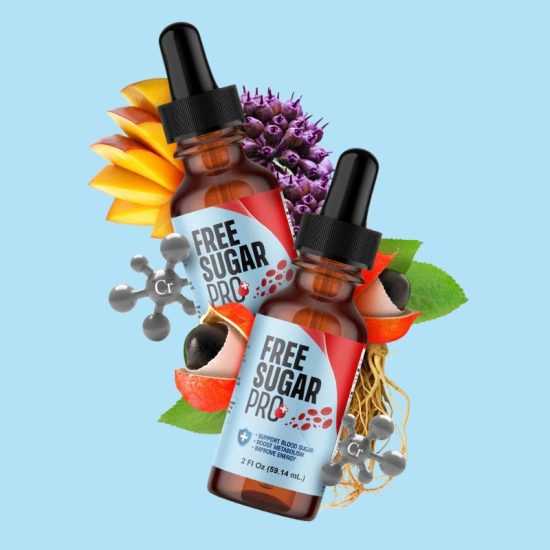
Free Sugar Pro
Original price was: $79.00.$49.00Current price is: $49.00. Buy From This Official Website