
Description
In recent years, the internet has seen an explosion of “miracle remedy” trends promising simple solutions for complex health conditions. One of the latest viral claims circulating on social media and marketing websites is the so-called “Manuka Honey Trick.”
According to advertisements and promotional videos, this trick allegedly involves a specific mixture of honey and plant compounds that can restore memory, detox the brain, or even reverse Alzheimer’s disease. The concept often appears alongside supplements that claim to capture this “ancient formula” in capsule form.
For many individuals concerned about memory decline or cognitive health, these claims may sound appealing. Natural remedies and traditional ingredients are widely associated with wellness, and Manuka honey itself has long been regarded as a premium natural product.
However, healthcare professionals and fact-checking investigations have raised serious concerns about the accuracy of these claims. Evidence suggests that the “Manuka Honey Trick” narrative may be part of a marketing funnel designed to sell unproven supplements.
This article takes an evidence-based look at the phenomenon. We will examine what the Manuka Honey Trick claims to be, how it is marketed, what science actually says about Manuka honey and cognitive health, and how consumers can protect themselves from misleading health information online.
Understanding Manuka Honey: A Natural Product With Genuine Uses
Before discussing the viral “trick,” it is helpful to understand what Manuka honey actually is.
Manuka honey is a type of monofloral honey produced from the nectar of the Leptospermum scoparium plant, commonly known as the Manuka tree. This plant grows primarily in New Zealand and parts of Australia, where bees collect its nectar to produce the distinctive honey.
Unlike regular honey varieties, Manuka honey contains unique compounds such as:
- Methylglyoxal (MGO)
- Leptosperin
- Various flavonoids and phenolic compounds
These compounds are responsible for many of the honey’s unique chemical properties and are used to determine authenticity and quality grades in commercial products.
Evidence-Based Uses of Manuka Honey
Manuka honey has been studied in certain contexts, particularly for antibacterial and wound-care applications. Medical-grade Manuka honey products are sometimes used in specialized wound dressings due to their antimicrobial properties.
However, it is important to emphasize that research on Manuka honey focuses mainly on topical medical uses such as:
- Supporting wound healing
- Acting as an antimicrobial agent
- Providing antioxidant compounds
There is no established scientific evidence demonstrating that Manuka honey can reverse neurodegenerative diseases such as Alzheimer’s or dementia.
This distinction is critical when evaluating viral claims about cognitive health cures.
What Is the “Manuka Honey Trick”?
The phrase “Manuka Honey Trick” refers to a widely circulated marketing narrative that claims a simple mixture of honey and herbal ingredients can dramatically improve brain function.
The story usually follows a predictable format:
- A “hidden discovery” made by scientists or doctors.
- A natural ingredient combination centered around honey.
- Claims that the formula can detox the brain or restore memory.
- A supplement product that supposedly captures the same formula.
Many ads describe the trick as combining honey with Bacopa monnieri, an herb sometimes used in traditional medicine. These promotions claim the mixture can flush toxins from the brain and restore cognitive function.
However, fact-checking investigations have repeatedly found no clinical evidence supporting these dramatic claims.
Experts emphasize that while both honey and Bacopa may have nutritional value, there is no scientific proof that mixing them can cure or reverse Alzheimer’s disease.
How the Viral Marketing Campaign Works
Investigations into the Manuka Honey Trick reveal that it is often promoted through sophisticated online marketing campaigns.
These campaigns typically involve multiple stages designed to guide viewers toward purchasing supplements.
Step 1: Social Media Ads
The first step usually involves advertisements appearing on platforms such as:
- YouTube
- Clickbait health websites
These ads often feature emotional messaging about memory loss and aging.
They may show dramatic headlines like:
- “Scientists Reveal Natural Memory Cure”
- “Doctors Shocked by Simple Honey Formula”
The goal is to capture attention and encourage viewers to click.
Step 2: Fake News-Style Pages
After clicking the advertisement, users are often directed to websites designed to resemble legitimate news outlets.
These pages frequently include:
- Logos from well-known media organizations
- Headlines implying a medical breakthrough
- Videos featuring supposed expert interviews
In many cases, these pages are not affiliated with any real news organization.
Investigations show they are simply landing pages created to build credibility for the marketing narrative.
Step 3: Video Presentations
The next stage typically involves a long promotional video.
These videos often claim:
- Pharmaceutical companies tried to hide the discovery.
- Universities secretly tested the formula.
- The remedy works within weeks.
However, the claims are rarely supported by verifiable scientific references.
The Use of Deepfake Endorsements
One of the most concerning aspects of the Manuka Honey Trick marketing strategy is the use of fabricated endorsements.
Investigations have documented cases where advertisements used:
- AI-generated voiceovers
- Manipulated video clips
- Edited interviews
These techniques create the impression that well-known doctors or public figures are recommending the remedy.
In some instances, the marketing materials falsely suggest endorsements from medical experts or television personalities. Independent fact-checking reports have confirmed that such endorsements were never actually given.
This practice is particularly problematic because it exploits the public’s trust in healthcare professionals.
Why Memory Loss Claims Are So Persuasive
Memory loss and cognitive decline are among the most feared aspects of aging.
Millions of people worldwide are affected by conditions such as:
- Mild cognitive impairment
- Dementia
- Alzheimer’s disease
Because these conditions have complex causes and limited treatment options, many individuals are eager to explore natural or alternative solutions.
Marketing campaigns promoting the Manuka Honey Trick often exploit this vulnerability by presenting their narrative as:
- A simple natural solution
- A suppressed scientific discovery
- An alternative to expensive treatments
Psychologists note that such messaging can be highly persuasive because it combines hope with urgency.
What Science Says About Honey and Brain Health
Although honey is a nutritious food with antioxidants, its effects on brain health are limited.
Some studies suggest that natural foods rich in antioxidants may contribute to overall wellness. However, no high-quality clinical trials show that honey alone can reverse neurodegenerative diseases.
The same applies to Bacopa monnieri. Some research suggests the herb may support cognitive performance in certain contexts, but evidence remains limited.
Importantly, there is no clinical evidence supporting the specific “honey trick” formula promoted online.
Medical experts emphasize that Alzheimer’s disease is a complex neurological condition involving multiple biological processes.
A simple home remedy cannot realistically reverse years of neurological damage.
The Supplement Connection
Many websites promoting the Manuka Honey Trick eventually direct users to purchase supplements.
These supplements often claim to contain:
- Concentrated honey compounds
- Herbal extracts
- Brain-support nutrients
However, investigations show that the marketing narrative often exaggerates or misrepresents the science behind these ingredients.
Some campaigns have been linked to supplements that promise to reverse memory loss or detox the brain without credible evidence.
Such claims are considered red flags in consumer protection investigations.
Understanding the Psychology Behind Health Scams
Health misinformation campaigns frequently rely on psychological persuasion techniques.
Common tactics include:
Fear-Based Messaging
Ads often begin by highlighting the frightening statistics about dementia or cognitive decline.
This creates a sense of urgency.
Authority Bias
The use of medical imagery, laboratory settings, and fake endorsements gives the impression of scientific legitimacy.
Scarcity and Urgency
Countdown timers and “limited supply” messages encourage quick purchases without careful research.
Emotional Storytelling
Testimonials from supposed users describe dramatic improvements after using the product.
These stories may not be verifiable.
The Real Risks of Misinformation
While many people dismiss internet health trends as harmless marketing, misinformation can have serious consequences.
For individuals experiencing memory issues, reliance on unproven remedies may delay medical evaluation and appropriate care.
Cognitive decline can sometimes be caused by treatable conditions such as:
- Vitamin deficiencies
- Thyroid disorders
- Medication side effects
- Depression
Seeking professional medical advice is essential when symptoms appear.
How to Evaluate Health Claims Online
In the digital age, it is more important than ever to evaluate health information carefully.
Here are several guidelines recommended by healthcare experts:
Look for Scientific Evidence
Reliable medical claims should be supported by peer-reviewed studies or clinical trials.
Verify the Source
Legitimate medical information typically comes from:
- Universities
- Government health agencies
- Accredited medical institutions
Be Skeptical of “Miracle Cures”
Conditions like Alzheimer’s disease are complex and cannot be reversed by simple home remedies.
Watch for Marketing Red Flags
Common warning signs include:
- Fake news websites
- Celebrity endorsements without proof
- Claims that doctors “don’t want you to know”
The Legitimate Health Benefits of Honey
Despite the exaggerated claims associated with the Manuka Honey Trick, honey itself does have legitimate nutritional value.
Honey contains natural sugars along with small amounts of:
- Vitamins
- Minerals
- Antioxidants
Some research suggests honey may support:
- Digestive comfort
- Immune function
- Skin and wound care
However, these benefits are generally modest and should not be interpreted as treatments for serious diseases.
Protecting Yourself From Health Marketing Scams
The internet has made it easier for misinformation campaigns to reach large audiences.
To protect yourself, experts recommend the following steps:
Research Before Buying
Search for independent reviews and scientific evidence.
Consult Healthcare Professionals
Doctors, pharmacists, and dietitians can help evaluate supplement claims.
Avoid Pressure Tactics
Legitimate health products do not require immediate purchases based on countdown timers.
Report Suspicious Ads
Many social media platforms allow users to report misleading health advertisements.
The Role of Healthcare Websites in Public Education
Healthcare websites such as TotalCareMedical.com play an important role in combating misinformation.
By providing clear, evidence-based information, medical platforms help readers:
- Understand complex health topics
- Identify misleading marketing
- Make informed healthcare decisions
Investigative articles about viral health trends can help patients navigate the overwhelming amount of information online.
Final Thoughts
The viral Manuka Honey Trick narrative highlights how easily health misinformation can spread in the digital era.
While Manuka honey itself is a genuine natural product with some evidence-based uses, claims that it can reverse memory loss or Alzheimer’s disease are not supported by scientific research.
Investigations into the marketing campaigns promoting this trick reveal a pattern of misleading tactics, including fake news websites, deepfake endorsements, and exaggerated health claims.
For individuals concerned about cognitive health, the most reliable approach remains:
- Consulting qualified healthcare professionals
- Maintaining a balanced diet
- Staying physically and mentally active
- Following evidence-based medical guidance
Natural foods like honey can certainly be part of a healthy lifestyle. However, when it comes to serious neurological conditions, credible medical care and scientifically supported treatments remain essential.
Related products
-
Sale!
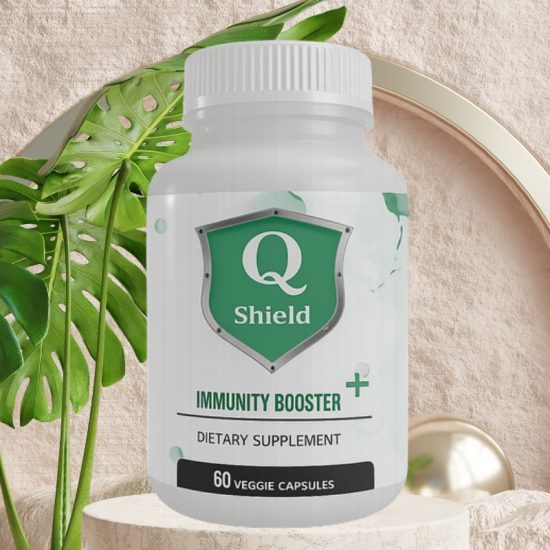
Q Shield Immunity Booster+
Original price was: $69.00.$49.00Current price is: $49.00. Buy From This Official Website -
Sale!
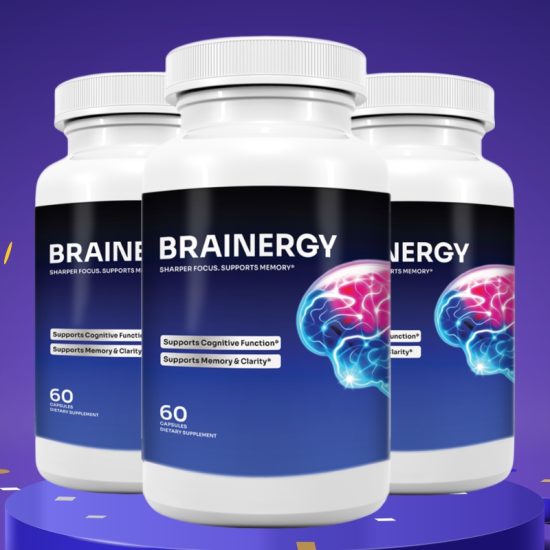
Brainergy
Original price was: $79.00.$49.00Current price is: $49.00. Buy From This Official Website -
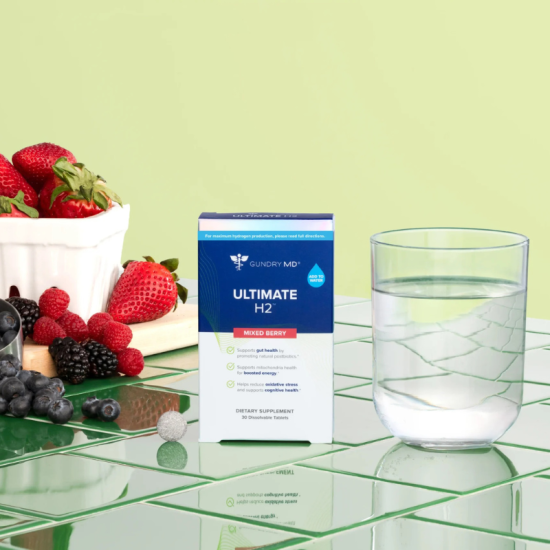
Gundry MD Ultimate H2
$44.95 Buy From The Official Website -
Sale!
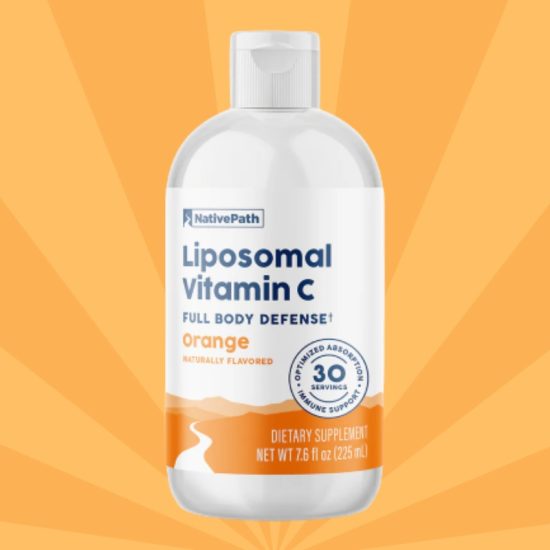
NativePath Liposomal Vitamin C
Original price was: $50.00.$45.00Current price is: $45.00. Buy From The Official Website