$147.00
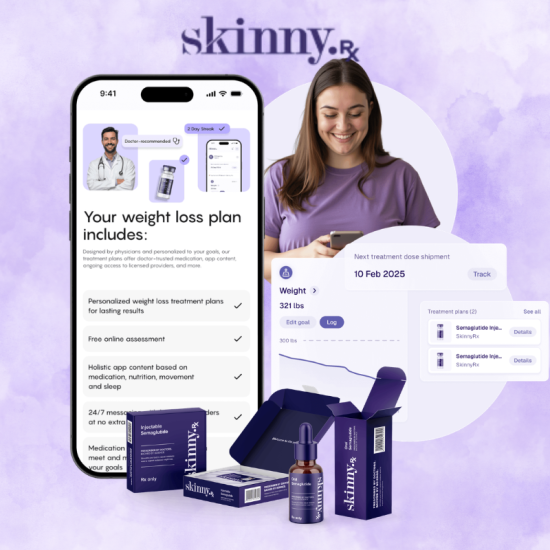
TeleHealth Med is a convenient telehealth platform that connects eligible patients with licensed medical providers for personalized weight-management support. Through a quick online assessment, users can receive a provider evaluation and, when medically appropriate, a prescription for GLP-1 medications such as semaglutide or tirzepatide. Treatments are dispensed through licensed U.S. pharmacies and shipped directly to your door, making it easier to access care without in-person clinic visits. With transparent pricing, fast delivery, and ongoing provider guidance, TeleHealth Med offers a simple, modern approach to medical weight loss. Results vary, but many patients choose telehealth programs for accessible care and personalized treatment plans.
Description
In recent years, telehealth has transformed the way many people access healthcare services. From primary care consultations to specialized treatments, patients increasingly rely on digital platforms to connect with licensed medical providers without needing to visit a physical clinic.
One rapidly expanding category within telehealth is medical weight management, particularly programs that utilize medications known as GLP-1 receptor agonists, such as semaglutide and tirzepatide.
TeleHealth Med is a telemedicine platform that offers online access to weight-management consultations with licensed healthcare providers. Through its digital platform, eligible patients may receive medical evaluations, personalized treatment plans, and prescription medications delivered directly to their homes.
This article provides a comprehensive overview of TeleHealth Med, including:
- How the platform works
- What types of treatments may be offered
- How GLP-1 medications support weight management
- Safety considerations and eligibility requirements
- Potential benefits and limitations of telehealth weight-loss programs
Understanding how these programs operate can help individuals determine whether telehealth-based weight management may be an appropriate option for their healthcare needs.
What Is TeleHealth Med?
TeleHealth Med is an online telemedicine service designed to connect patients with licensed healthcare providers who evaluate and manage weight-loss treatment plans.
Instead of scheduling an in-person appointment, patients can complete a digital health questionnaire, after which a medical provider reviews their information to determine whether treatment may be appropriate.
According to the platform, its services focus on providing:
- Online medical consultations
- Personalized treatment plans
- Prescription medications when medically appropriate
- Home delivery through licensed U.S. pharmacies
- Ongoing provider support
TeleHealth Med operates within the growing category of telehealth-enabled medical weight management, which has expanded significantly following increased interest in GLP-1 medications used for obesity and metabolic health.
It is important to note that all prescription medications must be issued by licensed providers following a medical evaluation, and eligibility may vary depending on an individual's health profile.
The Rise of Telehealth Weight Loss Programs
Traditional medical weight management programs often require multiple in-person appointments with physicians, nutritionists, and specialists. While effective, these programs can present barriers such as scheduling difficulties, travel time, and limited access in rural areas.
Telehealth programs aim to reduce these barriers by allowing patients to access care remotely.
Common features of telehealth weight-management services include:
- Online health assessments
- Remote consultations with licensed providers
- Digital messaging with care teams
- Prescription management
- Medication delivery services
During the COVID-19 pandemic, telemedicine adoption increased significantly across the healthcare industry. According to data from the U.S. Department of Health and Human Services, telehealth utilization expanded rapidly as patients sought remote care options.
In weight management specifically, telehealth platforms increasingly integrate medications that support appetite regulation and metabolic health, particularly GLP-1 receptor agonists.
Understanding GLP-1 Medications
GLP-1 medications belong to a class of drugs known as glucagon-like peptide-1 receptor agonists.
These medications were originally developed to help manage type 2 diabetes, but research later showed they may also support weight management in certain patients.
Examples of GLP-1 medications include:
- Semaglutide
- Tirzepatide
- Liraglutide
- Dulaglutide
These medications work by mimicking the effects of the naturally occurring GLP-1 hormone in the body.
GLP-1 hormones play a role in regulating:
- Appetite signals
- Blood sugar levels
- Gastric emptying
- Insulin secretion
By activating GLP-1 receptors, these medications may help some patients experience reduced hunger and improved blood sugar control.
Several clinical trials published in peer-reviewed medical journals have shown that GLP-1 medications can support significant weight reduction in certain individuals when combined with lifestyle modifications such as diet and exercise.
However, results vary widely between individuals, and these medications must be prescribed and monitored by healthcare providers.
How TeleHealth Med Works
TeleHealth Med describes a simplified digital process designed to connect patients with medical providers.Step 1: Online Health Questionnaire
Patients begin by completing a health questionnaire that typically asks about:
- Current weight and BMI
- Medical history
- Existing medications
- Previous weight-loss efforts
- Lifestyle habits
This information allows healthcare providers to determine whether further evaluation is appropriate.
Step 2: Provider Evaluation
A licensed healthcare provider reviews the submitted health information.
Depending on the patient's medical profile, the provider may:
- Approve treatment
- Recommend alternative care
- Request additional information
If the provider determines that treatment may be appropriate, they may prescribe medication in accordance with medical guidelines and applicable regulations.
Step 3: Medication Delivery
Prescriptions are filled through licensed U.S. pharmacies. Medications may then be shipped directly to the patient's home.
Delivery timelines vary depending on pharmacy processing and shipping logistics.
Step 4: Ongoing Monitoring
Telehealth weight-management programs often include ongoing monitoring through:
- digital messaging platforms
- follow-up consultations
- dosage adjustments when appropriate
Medical oversight is important when using prescription medications to ensure safety and effectiveness.
Semaglutide Explained
Semaglutide is a GLP-1 receptor agonist that has been studied extensively in clinical trials related to diabetes management and weight loss.
In weight-management contexts, semaglutide may help some individuals experience reduced appetite and increased feelings of fullness after meals.
Clinical research published in the New England Journal of Medicine has shown that semaglutide, when combined with lifestyle interventions, may support significant weight reduction in certain patient populations.
However, outcomes vary depending on individual factors such as:
- baseline weight
- diet and physical activity
- metabolic health
- adherence to treatment plans
Semaglutide must be prescribed by a licensed healthcare provider and may not be appropriate for everyone.
Tirzepatide Explained
Tirzepatide is another medication that may be used in medical weight management programs.
Unlike traditional GLP-1 medications, tirzepatide acts on two hormonal pathways:
- GLP-1 receptors
- GIP receptors
Because of this dual-hormone mechanism, tirzepatide is sometimes referred to as a dual incretin therapy.
Clinical research published in major medical journals has examined tirzepatide's potential role in supporting weight reduction and metabolic health improvements.
As with other prescription medications, tirzepatide must be prescribed following a medical evaluation and monitored by healthcare professionals.
Who May Qualify for GLP-1 Weight LossPrograms?
Eligibility criteria for prescription weight-management medications are typically based on established medical guidelines.
Patients may be considered candidates if they meet certain criteria, which often include:
- Body Mass Index (BMI) of 30 or higher
- BMI of 27 or higher with weight-related health conditions
- history of unsuccessful weight-loss attempts through lifestyle changes alone
Healthcare providers evaluate many factors before prescribing treatment, including:
- medical history
- current medications
- metabolic health
- potential risk factors
Individuals with certain medical conditions may not be suitable candidates for GLP-1 medications.
Potential Side Effects
Like all medications, GLP-1 receptor agonists may cause side effects.
Common side effects reported in clinical studies include:
- nausea
- vomiting
- diarrhea
- constipation
- decreased appetite
These effects often occur during the early stages of treatment and may improve as the body adjusts to the medication.
More serious side effects are rare but possible. Patients should discuss potential risks with a qualified healthcare provider before beginning treatment.
Safety and Medical Oversight
Responsible medical weight-management programs emphasize clinical oversight and patient safety.
Important safety measures typically include:
- medical eligibility screening
- provider consultations
- dosage monitoring
- adverse effect management
- ongoing patient communication
Patients should always consult with licensed healthcare professionals before starting any prescription medication.
Telehealth vs Traditional Weight Loss Clinics
Telehealth programs offer several potential advantages compared with traditional in-person clinics.
Accessibility
Patients may access care from home without traveling to a clinic.
Convenience
Digital consultations can often be scheduled more easily than in-person appointments.
Privacy
Some patients prefer discussing weight management in a private online environment.
However, telehealth programs may also have limitations.
Limited Physical Examination
Providers rely primarily on patient-reported data rather than in-person physical exams.
Technology Requirements
Patients must have reliable internet access to participate in telehealth consultations.
Pricing and Accessibility
Telehealth weight-management programs vary widely in pricing structures.
Some programs charge monthly subscription fees, while others offer medication-only pricing models.
Costs may depend on factors such as:
- medication type
- dosage levels
- pharmacy costs
- consultation fees
Insurance coverage varies depending on provider networks and patient eligibility.
Customer Support and Experience
Telehealth platforms often include customer support features designed to assist patients throughout their treatment journey.
These may include:
- provider messaging systems
- care team communication
- refill management
- treatment progress monitoring
Access to provider support can help patients address questions or concerns during treatment.
Frequently Asked Questions
Do I need insurance to use telehealth weight-loss services?
Many telehealth platforms allow patients to pay out-of-pocket for consultations and medications. Insurance requirements vary depending on the provider.
Do patients need blood tests before starting treatment?
Some providers may request laboratory testing depending on medical history. Requirements vary based on individual circumstances.
How quickly do results occur?
Weight-loss outcomes vary significantly between individuals. Healthcare providers typically emphasize gradual, sustainable progress combined with healthy lifestyle habits.
Are telehealth prescriptions legal?
Yes. Licensed healthcare providers can prescribe medications through telehealth when they determine it is medically appropriate and compliant with state regulations.
Final Thoughts
Telehealth services have expanded access to medical weight-management programs for many individuals seeking support with obesity and metabolic health.
Platforms such as TeleHealth Med aim to simplify the process of connecting patients with licensed providers through online consultations, prescription services, and home medication delivery.
While GLP-1 medications have shown promising results in clinical research, they are not suitable for everyone and must always be prescribed and monitored by qualified healthcare professionals.
Individuals considering telehealth weight-management programs should carefully review provider credentials, treatment options, and safety information before beginning any medical program.
Consulting with licensed healthcare professionals remains the most important step in determining whether prescription weight-management treatments may be appropriate for a specific individual.