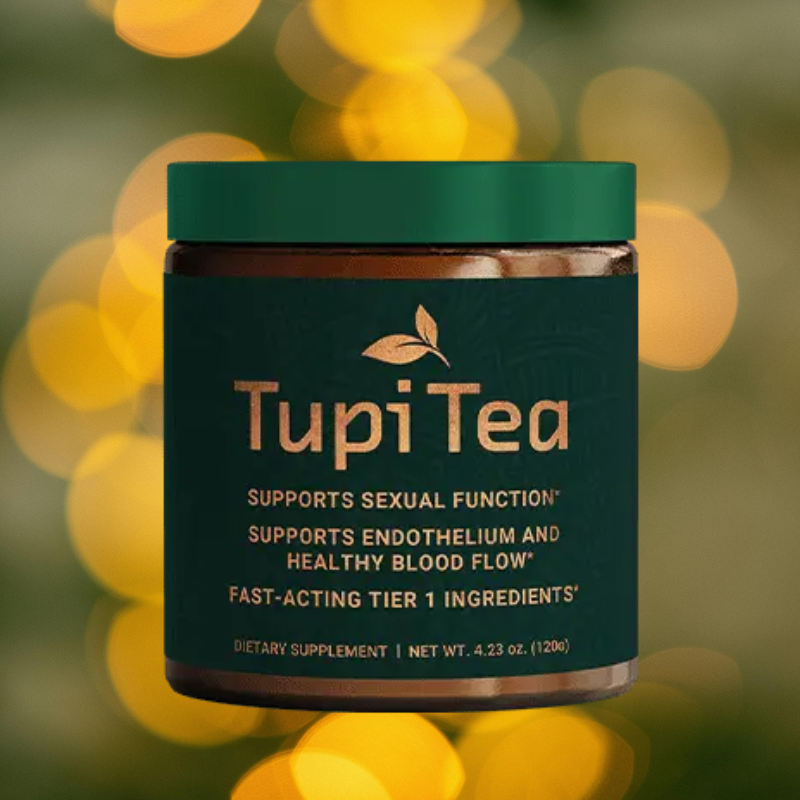
$79.00
For centuries, the Tupi tribe of the Amazon thrived on a secret herbal tradition that granted them legendary strength and endurance. Today, that secret is yours. Tupi Tea is a premium dietary supplement crafted to help modern men overcome the stressors of daily life. By promoting healthy endothelial function and maximizing blood flow, Tupi Tea restores your natural virility and stamina. Whether you're looking to improve your gym performance or boost your confidence in the bedroom, Tupi Tea provides the clean, plant-based support you need to feel like a legend again.
Description
In recent years, consumer interest in natural wellness products has grown significantly. Many people are exploring herbal blends, plant-based supplements, and traditional botanical remedies as part of a broader approach to supporting energy, vitality, and overall wellbeing. Within this growing landscape of natural health products, herbal tea formulations have gained particular attention because they combine centuries-old botanical traditions with modern convenience. One product that has recently attracted attention in online health discussions is Tupi Tea.
Tupi Tea is presented as a herbal formulation designed to support natural vitality, stamina, and overall wellbeing through a blend of plant compounds, amino acids, and minerals commonly associated with energy metabolism and circulatory health. While the product has generated interest among consumers seeking natural alternatives to conventional supplements, it is important to examine its ingredients, formulation, and available evidence carefully. Evidence-based health education encourages individuals to evaluate supplements based on ingredient science, clinical literature, and realistic expectations rather than marketing claims.
At TotalCareMedical.com, our editorial focus centers on analyzing products from a research-driven perspective. Rather than prescribing treatments or diagnosing medical conditions, our goal is to evaluate wellness products using information from peer-reviewed studies, nutritional science, and traditional herbal knowledge. This approach allows readers to better understand what a product contains, how its ingredients may interact with the body, and what types of outcomes consumers might reasonably expect.
This article offers a detailed editorial review of Tupi Tea, examining its formulation, ingredient profile, and potential benefits through a medically informed lens. We will explore the scientific background behind its ingredients, discuss who might find it useful, review consumer feedback, and address important questions about safety, pricing, and purchasing options.
As with any dietary supplement or herbal product, readers should remember that individual responses can vary, and supplements should never replace medical care. Anyone considering a new wellness product should consult a qualified healthcare professional, particularly if they have existing medical conditions or are taking medications.
With that context in mind, the following research-based review explores the formulation and potential role of Tupi Tea within a balanced wellness routine.
Product Overview
Formulation:
Herbal wellness tea blend with botanical extracts, amino acids, and supportive nutrients.
Key Ingredients:
Ginger, Maca Root, Taurine, Zinc Stearate, L-Arginine, Tribulus, Muira Puama Powder.
Bottle Contents:
Supply varies depending on package purchased.
Guarantee:
Money-back guarantee offered by the manufacturer according to official website details.
Cost:
Packages range depending on quantity purchased.
What is Tupi Tea?
Tupi Tea is marketed as a natural herbal tea blend formulated to support vitality, energy balance, and overall physical wellness through a combination of botanical extracts and nutritional compounds. Unlike stimulant-based energy supplements, this product emphasizes plant ingredients traditionally associated with stamina, circulation support, and metabolic health.
The formula draws inspiration from traditional herbal practices, particularly those involving Amazonian and South American plants. Several of the ingredients in the formulation – such as maca root and muira puama – have long histories of use in indigenous herbal traditions. In many cultures, these plants were used to support physical endurance, resilience to stress, and general vitality.
From a nutritional standpoint, the blend combines these botanical ingredients with compounds commonly studied for their roles in circulation, neurotransmitter function, and energy metabolism. Amino acids like L-arginine and taurine are included because of their known physiological functions. L-arginine plays a role in nitric oxide production, which may influence blood vessel dilation and circulation. Taurine, meanwhile, is involved in several cellular processes related to nerve signaling and energy regulation.
Minerals and micronutrients also appear in the formulation to support basic metabolic functions. Zinc, for example, is widely recognized as an essential nutrient involved in immune system activity, enzyme function, and cellular repair. Including such nutrients in a supplement may contribute to overall nutritional support, although their impact depends heavily on dosage and individual nutritional status.
As a tea-based supplement, Tupi Tea is designed to be consumed in beverage form rather than capsule format. This may appeal to individuals who prefer herbal drinks over traditional pills. Many consumers also associate herbal teas with relaxation and routine wellness habits.
However, it is important to emphasize that products like Tupi Tea are categorized as dietary supplements rather than medications. They are not intended to diagnose, treat, cure, or prevent diseases. Instead, they may be used as part of a broader lifestyle approach that includes balanced nutrition, exercise, and medical guidance when necessary.
Evaluating such products through ingredient science allows consumers to understand how each component may contribute to the overall formulation.
Who is Tupi Tea Specifically For?
Tupi Tea appears to be targeted primarily toward adults who are seeking natural approaches to supporting energy levels, stamina, and general vitality. Many individuals today experience fatigue related to demanding work schedules, stress, irregular sleep patterns, or lifestyle habits. While herbal supplements cannot replace medical care, some consumers explore botanical products as complementary tools for maintaining overall wellness.
One group that may find such products appealing includes individuals interested in plant-based health solutions. Herbal medicine traditions across the world – from Chinese herbalism to Amazonian botanical practices – have long relied on plant compounds to support bodily functions. Products like Tupi Tea draw on these traditions by incorporating herbs historically associated with energy balance and endurance.
Another group that might consider this product includes adults who prefer beverage-based supplements rather than capsules or tablets. Drinking herbal tea can be incorporated easily into daily routines, such as morning or evening rituals. For some people, this format makes it easier to maintain consistency.
Individuals who are focused on maintaining healthy circulation or metabolic function may also be drawn to ingredients such as L-arginine and taurine. Research has explored these compounds for their roles in nitric oxide production and nerve signaling. While these ingredients appear in many wellness supplements, their effects can vary depending on dosage, individual health status, and lifestyle factors.
Athletes or physically active individuals sometimes explore herbal products containing ingredients like tribulus or maca because of their traditional associations with stamina and endurance. Scientific research on these ingredients is ongoing, and evidence varies across studies. Therefore, consumers should view such supplements as supportive wellness options rather than performance-enhancing treatments.
Ultimately, Tupi Tea may appeal to individuals who are interested in herbal wellness traditions and nutritional support. However, it may not be suitable for everyone. Individuals with underlying health conditions, those taking prescription medications, or people with sensitivities to herbal ingredients should consult a healthcare professional before trying any new supplement.
Does Tupi Tea Work?
Determining whether a supplement “works” requires careful evaluation of its ingredient composition, the scientific evidence supporting those ingredients, and real-world consumer experiences. In the case of Tupi Tea, the formulation contains several compounds that have been studied in the context of metabolic health, circulation, and neurological function.
For example, L-arginine is an amino acid that has been widely researched for its role in producing nitric oxide, a molecule involved in relaxing blood vessels. This process can support circulation, which in turn may influence physical endurance and overall cardiovascular function. However, clinical outcomes can vary widely depending on dosage, health conditions, and other lifestyle factors.
Similarly, maca root has gained attention as a traditional Andean plant used historically for stamina and wellbeing. Some studies have explored its potential role in mood balance and energy levels, although findings remain mixed and additional research is needed.
Muira puama, another botanical included in the formula, has been used in Amazonian herbal traditions as a general tonic for vitality. Preliminary studies suggest that plant extracts may contain compounds with antioxidant and neuroprotective properties. However, many of these studies are limited in scale, and more research is required to establish clear clinical conclusions.
Ingredients such as taurine and zinc also contribute to fundamental biological functions. Taurine plays roles in nerve signaling and cellular hydration, while zinc supports immune health and enzyme activity.
Taken together, these ingredients suggest that the product was formulated to support multiple aspects of physiological function – energy metabolism, circulation, and stress resilience. However, it is important to recognize that dietary supplements generally produce gradual and subtle effects rather than dramatic changes.
Consumers should approach products like Tupi Tea as part of a broader wellness strategy that includes balanced nutrition, exercise, sleep, and professional medical guidance.
Tupi Tea Real Customer Reviews and Testimonials
Consumer reviews of herbal wellness products often reflect a range of experiences. Some individuals report positive impressions related to convenience, taste, or perceived energy support. Others may find that results take time or vary depending on lifestyle factors.
Many users who share feedback about products like Tupi Tea mention that they appreciate the tea format, which can be easier to incorporate into daily routines compared to pills. Some reviewers also describe feeling more balanced or energized after consistent use, although such outcomes are subjective and may not occur for every individual.
As with most dietary supplements, consumer testimonials should be viewed as personal experiences rather than scientific evidence. Individual responses can vary widely based on diet, exercise habits, sleep quality, and underlying health conditions.
Readers should evaluate both positive and critical feedback while considering the broader scientific context of the ingredients.
What Are the Ingredients in Tupi Tea?
Ginger
Ginger has been used for thousands of years in traditional medicine systems, particularly in Asian herbal practices. The root contains biologically active compounds such as gingerol and shogaol, which have been studied for their antioxidant and anti-inflammatory properties. Research has explored ginger's potential role in digestive comfort, nausea reduction, and circulatory support.
From a metabolic perspective, ginger may help support healthy blood flow and muscle relaxation. Some studies suggest it may assist with mild inflammation associated with physical exertion. These properties are one reason ginger is commonly included in herbal wellness formulas designed to support energy and endurance.
Maca Root
Maca root is a nutrient-dense plant native to the Andes mountains of Peru. Traditionally used as a food and herbal tonic, maca contains a variety of vitamins, minerals, amino acids, and plant compounds known as macamides.
Research on maca has examined its possible influence on mood balance, energy levels, and stress resilience. Some studies suggest that maca may interact with endocrine signaling pathways related to hormone regulation, although more research is needed to confirm these mechanisms.
Because maca contains antioxidants and plant nutrients, it is frequently used in wellness products intended to support vitality and physical stamina.
Taurine
Taurine is a naturally occurring amino acid found in many tissues of the human body. It plays roles in neurological signaling, electrolyte balance, and cellular energy production. Taurine also contributes to the function of neurotransmitters such as dopamine and norepinephrine, which are involved in focus and alertness.
Studies have examined taurine's role in supporting cardiovascular function and exercise performance. While the body can synthesize taurine naturally, dietary sources and supplementation may help maintain optimal levels under certain conditions.
Zinc Stearate
Zinc is an essential trace mineral involved in hundreds of enzymatic reactions within the body. It contributes to immune system function, cellular repair, and hormone regulation. Zinc also plays a role in the formation of red blood cells and overall metabolic activity.
Including zinc in nutritional supplements may help support basic physiological processes, particularly for individuals whose diets may not consistently provide sufficient levels of this mineral.
L-Arginine
L-arginine is an amino acid associated with nitric oxide production, which influences the dilation of blood vessels. This mechanism can help support healthy circulation and oxygen delivery throughout the body.
Because of its role in vascular function, L-arginine has been studied in relation to exercise performance, cardiovascular health, and metabolic activity. While research findings vary, the compound remains widely used in wellness supplements aimed at supporting circulation.
Tribulus
Tribulus terrestris is a plant used in traditional medicine across several cultures. Often categorized as an adaptogenic herb, tribulus has been studied for its potential effects on stress resilience and physical performance.
Some research suggests that tribulus may influence hormone-related pathways, although evidence remains mixed and further studies are required to confirm these findings. It is frequently included in supplements aimed at supporting stamina and athletic recovery.
Muira Puama Powder
Muira puama is a plant native to the Amazon rainforest that has been used historically as a botanical tonic. Traditional uses include supporting energy, mental clarity, and resilience to stress.
Modern research has explored the plant's antioxidant compounds and potential neuroprotective effects. While much of the evidence remains preliminary, muira puama continues to be studied for its role in supporting general vitality.
Tupi Tea Science
Scientific research on herbal supplements often focuses on the individual ingredients rather than the finished product. In the case of Tupi Tea, many of the included compounds have been examined in laboratory and clinical settings.
For instance, studies on L-arginine have explored its role in nitric oxide production and vascular function. Research published in cardiovascular journals has investigated whether increased nitric oxide availability may support blood flow and endothelial health. These effects may contribute to improved circulation under certain conditions.
Maca root has been the subject of several small clinical trials examining mood balance, energy levels, and stress adaptation. While results are promising, researchers emphasize the need for larger controlled studies.
Ginger has been extensively researched for digestive health and inflammation modulation. Its bioactive compounds appear to interact with pathways related to oxidative stress and inflammatory signaling.
Taurine has also attracted scientific interest due to its involvement in neurological and metabolic processes. Research suggests it may help support cellular hydration and nerve communication.
Although these ingredient studies provide useful insight, it is important to recognize that research on a complete formulation may be limited. Therefore, consumers should interpret potential benefits cautiously and focus on overall wellness habits.
Tupi Tea Benefits
Support for Energy and Vitality
One of the primary goals of herbal wellness formulations is to support natural energy balance. Ingredients such as maca root, taurine, and tribulus are frequently associated with metabolic activity and stamina. While these compounds are not stimulants in the same sense as caffeine, they may contribute to physiological processes involved in energy production.
For example, taurine plays a role in mitochondrial function and electrolyte balance, both of which are important for maintaining physical performance. Maca root, meanwhile, contains plant nutrients that may support the body's stress response.
It is important to note that improvements in energy levels typically depend on broader lifestyle factors such as nutrition, sleep quality, and exercise.
Circulatory Health Support
Circulation plays a crucial role in delivering oxygen and nutrients throughout the body. Ingredients like L-arginine are often included in supplements designed to support vascular function because they contribute to nitric oxide production.
Healthy nitric oxide levels may support blood vessel flexibility, which can influence circulation. Maintaining proper circulation is important for overall metabolic health and physical endurance.
However, individuals with cardiovascular conditions should consult healthcare professionals before using supplements that influence circulation.
Stress Resilience and Adaptation
Several ingredients in Tupi Tea have been associated with adaptogenic properties. Adaptogens are plant compounds believed to help the body maintain balance during periods of physical or mental stress.
Tribulus and muira puama have been used in traditional herbal medicine as tonics for resilience and endurance. Although scientific evidence is still developing, these plants remain widely used in herbal wellness practices.
Nutritional Support
The inclusion of minerals such as zinc provides basic nutritional benefits. Zinc contributes to immune function, enzyme activity, and cellular repair processes.
While supplements can help support nutritional intake, they should not replace a balanced diet rich in whole foods.
Tupi Tea: Pros and Cons
Pros
- Herbal tea format that may be easier to incorporate into daily routines
- Contains plant ingredients with historical use in traditional medicine
- Includes amino acids and minerals involved in metabolic functions
- May complement broader wellness practices
Cons
- Limited clinical research on the complete formulation
- Results may vary depending on individual health and lifestyle
- Not intended to replace medical treatments
- Requires consistent use for potential benefits
What is the Price of Tupi Tea?
Pricing for Tupi Tea depends on the quantity purchased through the official website.
- 1 Bottle: $79
- 3 Bottles: $177
- 6 Bottles: $294
Purchasing larger packages often reduces the cost per bottle and may provide longer supply for individuals who plan to use the product consistently.
Disclaimer: Prices may change at any time. Consumers should always verify current pricing and promotional offers on the official website before purchasing.
Usage
Tupi Tea is typically consumed as a herbal beverage prepared according to the instructions provided by the manufacturer. Most herbal tea supplements are designed to be taken once or twice daily, often in the morning or early afternoon.
Consistent use is generally recommended for individuals who wish to evaluate the product's potential effects. Because herbal ingredients may work gradually, noticeable changes – if they occur – may take several weeks.
Users should avoid exceeding the recommended serving size and should consult a healthcare professional if they have underlying health conditions.
More Tupi Tea User Reviews and Testimonials
Additional consumer feedback often highlights the importance of consistency when trying herbal wellness products. Some individuals report appreciating the natural flavor and routine of preparing tea each day.
Others mention that results may become noticeable only after several weeks of use alongside healthy lifestyle habits. As with most supplements, feedback ranges from highly positive experiences to more neutral responses.
Evaluating reviews collectively rather than focusing on a single testimonial provides a more balanced understanding of user perspectives.
Are There Side Effects to Tupi Tea?
Herbal supplements are generally considered safe for many adults when used according to recommended guidelines. However, any product containing active botanical compounds has the potential to cause side effects in certain individuals.
Some ingredients in Tupi Tea, such as ginger or L-arginine, may interact with medications related to blood pressure, circulation, or digestive conditions. Individuals taking prescription medications should consult a healthcare professional before using products containing these compounds.
People with allergies or sensitivities to herbal ingredients may also experience mild digestive discomfort or allergic reactions.
Pregnant or breastfeeding individuals should avoid most herbal supplements unless specifically advised by a healthcare professional.
As with any dietary supplement, discontinuing use and seeking medical advice is recommended if unusual symptoms occur.
Who Makes Tupi Tea?
Tupi Tea is produced by a wellness brand that focuses on herbal formulations designed to support vitality and natural energy balance. According to information available through the official website, the product is manufactured following industry standards commonly used for dietary supplements.
Many supplement manufacturers operate facilities that follow Good Manufacturing Practices (GMP), which are guidelines intended to ensure product consistency, cleanliness, and quality control. While these standards do not guarantee product effectiveness, they help maintain safety during production.
Responsible supplement companies typically source raw ingredients from suppliers that conduct quality testing for purity and contaminants. This process is particularly important for herbal ingredients, which may vary in potency depending on cultivation and processing methods.
Consumers interested in learning more about the manufacturing process should consult the official website or contact the company directly for additional details regarding sourcing, production standards, and testing procedures.
Does Tupi Tea Really Work?
Dietary supplements often produce the most noticeable effects when they are combined with healthy lifestyle practices. Nutrition, physical activity, sleep quality, and stress management all play significant roles in overall health and vitality.
Herbal formulations like Tupi Tea may contribute supportive nutrients and plant compounds, but they cannot replace foundational health behaviors. For example, individuals seeking improved energy levels may benefit from evaluating their diet to ensure adequate intake of protein, vitamins, and minerals.
Regular exercise also plays a critical role in maintaining metabolic health. Physical activity supports circulation, muscle strength, and endurance. When combined with proper nutrition, exercise may enhance the body's ability to utilize nutrients efficiently.
Sleep is another essential factor. Chronic sleep deprivation can significantly affect energy levels, cognitive performance, and hormonal balance. Establishing consistent sleep patterns may produce more substantial benefits than relying solely on supplements.
Stress management is equally important. Practices such as meditation, breathing exercises, and time spent outdoors may help regulate the body's stress response.
In this context, supplements like Tupi Tea may serve as complementary tools rather than primary solutions. When used responsibly and combined with healthy habits, botanical supplements may support aspects of wellbeing such as relaxation, circulation, and nutrient intake.
However, consumers should maintain realistic expectations and consult healthcare professionals when addressing significant health concerns.
Is Tupi Tea a Scam?
Concerns about supplement legitimacy are understandable given the large number of products available online. Evaluating a product requires examining its ingredient transparency, manufacturer information, and purchasing channels.
Tupi Tea provides information about its ingredients and formulation through its official website. Products that disclose their ingredients allow consumers and healthcare professionals to evaluate the formulation more effectively.
Purchasing directly from the official website may also reduce the risk of counterfeit products. Unauthorized sellers sometimes distribute supplements through third-party marketplaces without proper storage conditions.
While consumer opinions vary, there is no clear evidence suggesting that Tupi Tea is a fraudulent product. However, individuals should approach any supplement with critical thinking, reviewing ingredient science and consulting professionals when necessary.
Is Tupi Tea FDA Approved?
Dietary supplements, including herbal tea products, are regulated differently from prescription medications in the United States. The Food and Drug Administration (FDA) does not approve supplements before they reach the market.
Instead, manufacturers are responsible for ensuring that their products are safe and properly labeled. The FDA monitors supplements after they are released and may take action if safety concerns arise.
This regulatory framework means that consumers should evaluate supplements based on ingredient transparency, manufacturer reputation, and available research.
Products like Tupi Tea are therefore not FDA-approved medications. They are classified as dietary supplements intended to support general wellness rather than treat diseases.
Where to Buy Tupi Tea?
Tupi Tea is primarily available through its official website. Purchasing directly from the manufacturer may provide access to promotional pricing, product guarantees, and customer support.
Buying from the official source may also reduce the risk of counterfeit or improperly stored products. Consumers should carefully review ordering details, shipping information, and return policies before completing a purchase.
Is Tupi Tea Really on Amazon, eBay, and Walmart?
Tupi Tea on Amazon.com
Tupi Tea is not currently listed for sale on Amazon or through Amazon-affiliated sellers. The manufacturer appears to have chosen direct distribution to maintain product handling standards and quality control. Consumers seeking the authentic product should purchase directly from the official website.
Tupi Tea on eBay.com
At this time, Tupi Tea is not authorized for sale on eBay or through eBay marketplace vendors. Restricting distribution helps prevent the circulation of products that may have been stored improperly or altered. For authenticity and product integrity, purchases should be made through the official source.
Tupi Tea on Walmart.com
Tupi Tea is also not offered on Walmart's retail shelves or through Walmart's online marketplace. The brand distributes the product directly through its official website to maintain storage standards and ensure customers receive the genuine formula.
Conclusion
Tupi Tea represents one example of the growing category of herbal wellness products designed to support vitality and energy through botanical ingredients and nutritional compounds. The formulation includes several substances – such as ginger, maca root, taurine, and L-arginine – that have been studied individually for their potential roles in metabolic function, circulation, and neurological activity.
From a research perspective, many of these ingredients possess biological properties that may contribute to general wellbeing when consumed responsibly. However, the scientific evidence surrounding complete herbal formulations remains limited, and results can vary significantly among individuals.
Consumers interested in exploring herbal supplements should approach them as complementary tools rather than replacements for medical treatment or foundational health habits. Balanced nutrition, regular physical activity, adequate sleep, and professional medical guidance remain essential components of long-term wellbeing.
Tupi Tea may appeal to individuals who prefer herbal tea-based supplements and who are interested in traditional botanical ingredients associated with vitality. As with any dietary supplement, prospective users should review the ingredient list carefully and consult healthcare professionals when necessary.
Evaluating products through evidence-based research and transparent information empowers consumers to make informed health decisions. By combining scientific understanding with realistic expectations, individuals can determine whether a product aligns with their personal wellness goals.
Tupi Tea FAQs
1. What is Tupi Tea designed for?
Tupi Tea is a herbal wellness supplement formulated to support vitality, circulation, and general energy balance using botanical ingredients and amino acids.
2. How long does it take to notice results?
Results vary among individuals. Some people report changes within several weeks, while others may experience gradual effects over longer periods.
3. Is Tupi Tea safe for everyone?
Most healthy adults can use herbal supplements responsibly, but individuals with medical conditions or medications should consult a healthcare professional first.
4. How should Tupi Tea be taken?
It is typically prepared as a herbal tea according to the instructions provided by the manufacturer.
5. Are there stimulants in Tupi Tea?
The formulation focuses on botanical ingredients rather than stimulant compounds like caffeine.
6. Can it replace medical treatment?
No. Tupi Tea is a dietary supplement intended to support wellness, not diagnose or treat medical conditions.
7. Is there a money-back guarantee?
According to the official website, the manufacturer offers a satisfaction guarantee policy.
8. Can women use Tupi Tea?
The product is marketed primarily toward adults seeking vitality support, but individuals should review the ingredient list and consult professionals if unsure.
9. Where should I buy Tupi Tea?
The product is typically sold through the official website to ensure authenticity.
10. Is scientific research available on the ingredients?
Yes. Several ingredients in the formula have been studied individually in nutritional and botanical research, although research on the complete formulation may be limited.
In recent years, consumer interest in natural wellness products has grown significantly. Many people are exploring herbal blends, plant-based supplements, and traditional botanical remedies as part of a broader approach to supporting energy, vitality, and overall wellbeing. Within this growing landscape of natural health products, herbal tea formulations have gained particular attention because they combine centuries-old botanical traditions with modern convenience. One product that has recently attracted attention in online health discussions is Tupi Tea.
Tupi Tea is presented as a herbal formulation designed to support natural vitality, stamina, and overall wellbeing through a blend of plant compounds, amino acids, and minerals commonly associated with energy metabolism and circulatory health. While the product has generated interest among consumers seeking natural alternatives to conventional supplements, it is important to examine its ingredients, formulation, and available evidence carefully. Evidence-based health education encourages individuals to evaluate supplements based on ingredient science, clinical literature, and realistic expectations rather than marketing claims.
At TotalCareMedical.com, our editorial focus centers on analyzing products from a research-driven perspective. Rather than prescribing treatments or diagnosing medical conditions, our goal is to evaluate wellness products using information from peer-reviewed studies, nutritional science, and traditional herbal knowledge. This approach allows readers to better understand what a product contains, how its ingredients may interact with the body, and what types of outcomes consumers might reasonably expect.
This article offers a detailed editorial review of Tupi Tea, examining its formulation, ingredient profile, and potential benefits through a medically informed lens. We will explore the scientific background behind its ingredients, discuss who might find it useful, review consumer feedback, and address important questions about safety, pricing, and purchasing options.
As with any dietary supplement or herbal product, readers should remember that individual responses can vary, and supplements should never replace medical care. Anyone considering a new wellness product should consult a qualified healthcare professional, particularly if they have existing medical conditions or are taking medications.
With that context in mind, the following research-based review explores the formulation and potential role of Tupi Tea within a balanced wellness routine.
Product Overview
Formulation:
Herbal wellness tea blend with botanical extracts, amino acids, and supportive nutrients.
Key Ingredients:
Ginger, Maca Root, Taurine, Zinc Stearate, L-Arginine, Tribulus, Muira Puama Powder.
Bottle Contents:
Supply varies depending on package purchased.
Guarantee:
Money-back guarantee offered by the manufacturer according to official website details.
Cost:
Packages range depending on quantity purchased.
What is Tupi Tea?
Tupi Tea is marketed as a natural herbal tea blend formulated to support vitality, energy balance, and overall physical wellness through a combination of botanical extracts and nutritional compounds. Unlike stimulant-based energy supplements, this product emphasizes plant ingredients traditionally associated with stamina, circulation support, and metabolic health.
The formula draws inspiration from traditional herbal practices, particularly those involving Amazonian and South American plants. Several of the ingredients in the formulation – such as maca root and muira puama – have long histories of use in indigenous herbal traditions. In many cultures, these plants were used to support physical endurance, resilience to stress, and general vitality.
From a nutritional standpoint, the blend combines these botanical ingredients with compounds commonly studied for their roles in circulation, neurotransmitter function, and energy metabolism. Amino acids like L-arginine and taurine are included because of their known physiological functions. L-arginine plays a role in nitric oxide production, which may influence blood vessel dilation and circulation. Taurine, meanwhile, is involved in several cellular processes related to nerve signaling and energy regulation.
Minerals and micronutrients also appear in the formulation to support basic metabolic functions. Zinc, for example, is widely recognized as an essential nutrient involved in immune system activity, enzyme function, and cellular repair. Including such nutrients in a supplement may contribute to overall nutritional support, although their impact depends heavily on dosage and individual nutritional status.
As a tea-based supplement, Tupi Tea is designed to be consumed in beverage form rather than capsule format. This may appeal to individuals who prefer herbal drinks over traditional pills. Many consumers also associate herbal teas with relaxation and routine wellness habits.
However, it is important to emphasize that products like Tupi Tea are categorized as dietary supplements rather than medications. They are not intended to diagnose, treat, cure, or prevent diseases. Instead, they may be used as part of a broader lifestyle approach that includes balanced nutrition, exercise, and medical guidance when necessary.
Evaluating such products through ingredient science allows consumers to understand how each component may contribute to the overall formulation.
Who is Tupi Tea Specifically For?
Tupi Tea appears to be targeted primarily toward adults who are seeking natural approaches to supporting energy levels, stamina, and general vitality. Many individuals today experience fatigue related to demanding work schedules, stress, irregular sleep patterns, or lifestyle habits. While herbal supplements cannot replace medical care, some consumers explore botanical products as complementary tools for maintaining overall wellness.
One group that may find such products appealing includes individuals interested in plant-based health solutions. Herbal medicine traditions across the world – from Chinese herbalism to Amazonian botanical practices – have long relied on plant compounds to support bodily functions. Products like Tupi Tea draw on these traditions by incorporating herbs historically associated with energy balance and endurance.
Another group that might consider this product includes adults who prefer beverage-based supplements rather than capsules or tablets. Drinking herbal tea can be incorporated easily into daily routines, such as morning or evening rituals. For some people, this format makes it easier to maintain consistency.
Individuals who are focused on maintaining healthy circulation or metabolic function may also be drawn to ingredients such as L-arginine and taurine. Research has explored these compounds for their roles in nitric oxide production and nerve signaling. While these ingredients appear in many wellness supplements, their effects can vary depending on dosage, individual health status, and lifestyle factors.
Athletes or physically active individuals sometimes explore herbal products containing ingredients like tribulus or maca because of their traditional associations with stamina and endurance. Scientific research on these ingredients is ongoing, and evidence varies across studies. Therefore, consumers should view such supplements as supportive wellness options rather than performance-enhancing treatments.
Ultimately, Tupi Tea may appeal to individuals who are interested in herbal wellness traditions and nutritional support. However, it may not be suitable for everyone. Individuals with underlying health conditions, those taking prescription medications, or people with sensitivities to herbal ingredients should consult a healthcare professional before trying any new supplement.
Does Tupi Tea Work?
Determining whether a supplement “works” requires careful evaluation of its ingredient composition, the scientific evidence supporting those ingredients, and real-world consumer experiences. In the case of Tupi Tea, the formulation contains several compounds that have been studied in the context of metabolic health, circulation, and neurological function.
For example, L-arginine is an amino acid that has been widely researched for its role in producing nitric oxide, a molecule involved in relaxing blood vessels. This process can support circulation, which in turn may influence physical endurance and overall cardiovascular function. However, clinical outcomes can vary widely depending on dosage, health conditions, and other lifestyle factors.
Similarly, maca root has gained attention as a traditional Andean plant used historically for stamina and wellbeing. Some studies have explored its potential role in mood balance and energy levels, although findings remain mixed and additional research is needed.
Muira puama, another botanical included in the formula, has been used in Amazonian herbal traditions as a general tonic for vitality. Preliminary studies suggest that plant extracts may contain compounds with antioxidant and neuroprotective properties. However, many of these studies are limited in scale, and more research is required to establish clear clinical conclusions.
Ingredients such as taurine and zinc also contribute to fundamental biological functions. Taurine plays roles in nerve signaling and cellular hydration, while zinc supports immune health and enzyme activity.
Taken together, these ingredients suggest that the product was formulated to support multiple aspects of physiological function – energy metabolism, circulation, and stress resilience. However, it is important to recognize that dietary supplements generally produce gradual and subtle effects rather than dramatic changes.
Consumers should approach products like Tupi Tea as part of a broader wellness strategy that includes balanced nutrition, exercise, sleep, and professional medical guidance.
Tupi Tea Real Customer Reviews and Testimonials
Consumer reviews of herbal wellness products often reflect a range of experiences. Some individuals report positive impressions related to convenience, taste, or perceived energy support. Others may find that results take time or vary depending on lifestyle factors.
Many users who share feedback about products like Tupi Tea mention that they appreciate the tea format, which can be easier to incorporate into daily routines compared to pills. Some reviewers also describe feeling more balanced or energized after consistent use, although such outcomes are subjective and may not occur for every individual.
As with most dietary supplements, consumer testimonials should be viewed as personal experiences rather than scientific evidence. Individual responses can vary widely based on diet, exercise habits, sleep quality, and underlying health conditions.
Readers should evaluate both positive and critical feedback while considering the broader scientific context of the ingredients.
What Are the Ingredients in Tupi Tea?
Ginger
Ginger has been used for thousands of years in traditional medicine systems, particularly in Asian herbal practices. The root contains biologically active compounds such as gingerol and shogaol, which have been studied for their antioxidant and anti-inflammatory properties. Research has explored ginger's potential role in digestive comfort, nausea reduction, and circulatory support.
From a metabolic perspective, ginger may help support healthy blood flow and muscle relaxation. Some studies suggest it may assist with mild inflammation associated with physical exertion. These properties are one reason ginger is commonly included in herbal wellness formulas designed to support energy and endurance.
Maca Root
Maca root is a nutrient-dense plant native to the Andes mountains of Peru. Traditionally used as a food and herbal tonic, maca contains a variety of vitamins, minerals, amino acids, and plant compounds known as macamides.
Research on maca has examined its possible influence on mood balance, energy levels, and stress resilience. Some studies suggest that maca may interact with endocrine signaling pathways related to hormone regulation, although more research is needed to confirm these mechanisms.
Because maca contains antioxidants and plant nutrients, it is frequently used in wellness products intended to support vitality and physical stamina.
Taurine
Taurine is a naturally occurring amino acid found in many tissues of the human body. It plays roles in neurological signaling, electrolyte balance, and cellular energy production. Taurine also contributes to the function of neurotransmitters such as dopamine and norepinephrine, which are involved in focus and alertness.
Studies have examined taurine's role in supporting cardiovascular function and exercise performance. While the body can synthesize taurine naturally, dietary sources and supplementation may help maintain optimal levels under certain conditions.
Zinc Stearate
Zinc is an essential trace mineral involved in hundreds of enzymatic reactions within the body. It contributes to immune system function, cellular repair, and hormone regulation. Zinc also plays a role in the formation of red blood cells and overall metabolic activity.
Including zinc in nutritional supplements may help support basic physiological processes, particularly for individuals whose diets may not consistently provide sufficient levels of this mineral.
L-Arginine
L-arginine is an amino acid associated with nitric oxide production, which influences the dilation of blood vessels. This mechanism can help support healthy circulation and oxygen delivery throughout the body.
Because of its role in vascular function, L-arginine has been studied in relation to exercise performance, cardiovascular health, and metabolic activity. While research findings vary, the compound remains widely used in wellness supplements aimed at supporting circulation.
Tribulus
Tribulus terrestris is a plant used in traditional medicine across several cultures. Often categorized as an adaptogenic herb, tribulus has been studied for its potential effects on stress resilience and physical performance.
Some research suggests that tribulus may influence hormone-related pathways, although evidence remains mixed and further studies are required to confirm these findings. It is frequently included in supplements aimed at supporting stamina and athletic recovery.
Muira Puama Powder
Muira puama is a plant native to the Amazon rainforest that has been used historically as a botanical tonic. Traditional uses include supporting energy, mental clarity, and resilience to stress.
Modern research has explored the plant's antioxidant compounds and potential neuroprotective effects. While much of the evidence remains preliminary, muira puama continues to be studied for its role in supporting general vitality.
Tupi Tea Science
Scientific research on herbal supplements often focuses on the individual ingredients rather than the finished product. In the case of Tupi Tea, many of the included compounds have been examined in laboratory and clinical settings.
For instance, studies on L-arginine have explored its role in nitric oxide production and vascular function. Research published in cardiovascular journals has investigated whether increased nitric oxide availability may support blood flow and endothelial health. These effects may contribute to improved circulation under certain conditions.
Maca root has been the subject of several small clinical trials examining mood balance, energy levels, and stress adaptation. While results are promising, researchers emphasize the need for larger controlled studies.
Ginger has been extensively researched for digestive health and inflammation modulation. Its bioactive compounds appear to interact with pathways related to oxidative stress and inflammatory signaling.
Taurine has also attracted scientific interest due to its involvement in neurological and metabolic processes. Research suggests it may help support cellular hydration and nerve communication.
Although these ingredient studies provide useful insight, it is important to recognize that research on a complete formulation may be limited. Therefore, consumers should interpret potential benefits cautiously and focus on overall wellness habits.
Tupi Tea Benefits
Support for Energy and Vitality
One of the primary goals of herbal wellness formulations is to support natural energy balance. Ingredients such as maca root, taurine, and tribulus are frequently associated with metabolic activity and stamina. While these compounds are not stimulants in the same sense as caffeine, they may contribute to physiological processes involved in energy production.
For example, taurine plays a role in mitochondrial function and electrolyte balance, both of which are important for maintaining physical performance. Maca root, meanwhile, contains plant nutrients that may support the body's stress response.
It is important to note that improvements in energy levels typically depend on broader lifestyle factors such as nutrition, sleep quality, and exercise.
Circulatory Health Support
Circulation plays a crucial role in delivering oxygen and nutrients throughout the body. Ingredients like L-arginine are often included in supplements designed to support vascular function because they contribute to nitric oxide production.
Healthy nitric oxide levels may support blood vessel flexibility, which can influence circulation. Maintaining proper circulation is important for overall metabolic health and physical endurance.
However, individuals with cardiovascular conditions should consult healthcare professionals before using supplements that influence circulation.
Stress Resilience and Adaptation
Several ingredients in Tupi Tea have been associated with adaptogenic properties. Adaptogens are plant compounds believed to help the body maintain balance during periods of physical or mental stress.
Tribulus and muira puama have been used in traditional herbal medicine as tonics for resilience and endurance. Although scientific evidence is still developing, these plants remain widely used in herbal wellness practices.
Nutritional Support
The inclusion of minerals such as zinc provides basic nutritional benefits. Zinc contributes to immune function, enzyme activity, and cellular repair processes.
While supplements can help support nutritional intake, they should not replace a balanced diet rich in whole foods.
Tupi Tea: Pros and Cons
Pros
- Herbal tea format that may be easier to incorporate into daily routines
- Contains plant ingredients with historical use in traditional medicine
- Includes amino acids and minerals involved in metabolic functions
- May complement broader wellness practices
Cons
- Limited clinical research on the complete formulation
- Results may vary depending on individual health and lifestyle
- Not intended to replace medical treatments
- Requires consistent use for potential benefits
What is the Price of Tupi Tea?
Pricing for Tupi Tea depends on the quantity purchased through the official website.
- 1 Bottle: $79
- 3 Bottles: $177
- 6 Bottles: $294
Purchasing larger packages often reduces the cost per bottle and may provide longer supply for individuals who plan to use the product consistently.
Disclaimer: Prices may change at any time. Consumers should always verify current pricing and promotional offers on the official website before purchasing.
Usage
Tupi Tea is typically consumed as a herbal beverage prepared according to the instructions provided by the manufacturer. Most herbal tea supplements are designed to be taken once or twice daily, often in the morning or early afternoon.
Consistent use is generally recommended for individuals who wish to evaluate the product's potential effects. Because herbal ingredients may work gradually, noticeable changes – if they occur – may take several weeks.
Users should avoid exceeding the recommended serving size and should consult a healthcare professional if they have underlying health conditions.
More Tupi Tea User Reviews and Testimonials
Additional consumer feedback often highlights the importance of consistency when trying herbal wellness products. Some individuals report appreciating the natural flavor and routine of preparing tea each day.
Others mention that results may become noticeable only after several weeks of use alongside healthy lifestyle habits. As with most supplements, feedback ranges from highly positive experiences to more neutral responses.
Evaluating reviews collectively rather than focusing on a single testimonial provides a more balanced understanding of user perspectives.
Are There Side Effects to Tupi Tea?
Herbal supplements are generally considered safe for many adults when used according to recommended guidelines. However, any product containing active botanical compounds has the potential to cause side effects in certain individuals.
Some ingredients in Tupi Tea, such as ginger or L-arginine, may interact with medications related to blood pressure, circulation, or digestive conditions. Individuals taking prescription medications should consult a healthcare professional before using products containing these compounds.
People with allergies or sensitivities to herbal ingredients may also experience mild digestive discomfort or allergic reactions.
Pregnant or breastfeeding individuals should avoid most herbal supplements unless specifically advised by a healthcare professional.
As with any dietary supplement, discontinuing use and seeking medical advice is recommended if unusual symptoms occur.
Who Makes Tupi Tea?
Tupi Tea is produced by a wellness brand that focuses on herbal formulations designed to support vitality and natural energy balance. According to information available through the official website, the product is manufactured following industry standards commonly used for dietary supplements.
Many supplement manufacturers operate facilities that follow Good Manufacturing Practices (GMP), which are guidelines intended to ensure product consistency, cleanliness, and quality control. While these standards do not guarantee product effectiveness, they help maintain safety during production.
Responsible supplement companies typically source raw ingredients from suppliers that conduct quality testing for purity and contaminants. This process is particularly important for herbal ingredients, which may vary in potency depending on cultivation and processing methods.
Consumers interested in learning more about the manufacturing process should consult the official website or contact the company directly for additional details regarding sourcing, production standards, and testing procedures.
Does Tupi Tea Really Work?
Dietary supplements often produce the most noticeable effects when they are combined with healthy lifestyle practices. Nutrition, physical activity, sleep quality, and stress management all play significant roles in overall health and vitality.
Herbal formulations like Tupi Tea may contribute supportive nutrients and plant compounds, but they cannot replace foundational health behaviors. For example, individuals seeking improved energy levels may benefit from evaluating their diet to ensure adequate intake of protein, vitamins, and minerals.
Regular exercise also plays a critical role in maintaining metabolic health. Physical activity supports circulation, muscle strength, and endurance. When combined with proper nutrition, exercise may enhance the body's ability to utilize nutrients efficiently.
Sleep is another essential factor. Chronic sleep deprivation can significantly affect energy levels, cognitive performance, and hormonal balance. Establishing consistent sleep patterns may produce more substantial benefits than relying solely on supplements.
Stress management is equally important. Practices such as meditation, breathing exercises, and time spent outdoors may help regulate the body's stress response.
In this context, supplements like Tupi Tea may serve as complementary tools rather than primary solutions. When used responsibly and combined with healthy habits, botanical supplements may support aspects of wellbeing such as relaxation, circulation, and nutrient intake.
However, consumers should maintain realistic expectations and consult healthcare professionals when addressing significant health concerns.
Is Tupi Tea a Scam?
Concerns about supplement legitimacy are understandable given the large number of products available online. Evaluating a product requires examining its ingredient transparency, manufacturer information, and purchasing channels.
Tupi Tea provides information about its ingredients and formulation through its official website. Products that disclose their ingredients allow consumers and healthcare professionals to evaluate the formulation more effectively.
Purchasing directly from the official website may also reduce the risk of counterfeit products. Unauthorized sellers sometimes distribute supplements through third-party marketplaces without proper storage conditions.
While consumer opinions vary, there is no clear evidence suggesting that Tupi Tea is a fraudulent product. However, individuals should approach any supplement with critical thinking, reviewing ingredient science and consulting professionals when necessary.
Is Tupi Tea FDA Approved?
Dietary supplements, including herbal tea products, are regulated differently from prescription medications in the United States. The Food and Drug Administration (FDA) does not approve supplements before they reach the market.
Instead, manufacturers are responsible for ensuring that their products are safe and properly labeled. The FDA monitors supplements after they are released and may take action if safety concerns arise.
This regulatory framework means that consumers should evaluate supplements based on ingredient transparency, manufacturer reputation, and available research.
Products like Tupi Tea are therefore not FDA-approved medications. They are classified as dietary supplements intended to support general wellness rather than treat diseases.
Where to Buy Tupi Tea?
Tupi Tea is primarily available through its official website. Purchasing directly from the manufacturer may provide access to promotional pricing, product guarantees, and customer support.
Buying from the official source may also reduce the risk of counterfeit or improperly stored products. Consumers should carefully review ordering details, shipping information, and return policies before completing a purchase.
Is Tupi Tea Really on Amazon, eBay, and Walmart?
Tupi Tea on Amazon.com
Tupi Tea is not currently listed for sale on Amazon or through Amazon-affiliated sellers. The manufacturer appears to have chosen direct distribution to maintain product handling standards and quality control. Consumers seeking the authentic product should purchase directly from the official website.
Tupi Tea on eBay.com
At this time, Tupi Tea is not authorized for sale on eBay or through eBay marketplace vendors. Restricting distribution helps prevent the circulation of products that may have been stored improperly or altered. For authenticity and product integrity, purchases should be made through the official source.
Tupi Tea on Walmart.com
Tupi Tea is also not offered on Walmart's retail shelves or through Walmart's online marketplace. The brand distributes the product directly through its official website to maintain storage standards and ensure customers receive the genuine formula.
Conclusion
Tupi Tea represents one example of the growing category of herbal wellness products designed to support vitality and energy through botanical ingredients and nutritional compounds. The formulation includes several substances – such as ginger, maca root, taurine, and L-arginine – that have been studied individually for their potential roles in metabolic function, circulation, and neurological activity.
From a research perspective, many of these ingredients possess biological properties that may contribute to general wellbeing when consumed responsibly. However, the scientific evidence surrounding complete herbal formulations remains limited, and results can vary significantly among individuals.
Consumers interested in exploring herbal supplements should approach them as complementary tools rather than replacements for medical treatment or foundational health habits. Balanced nutrition, regular physical activity, adequate sleep, and professional medical guidance remain essential components of long-term wellbeing.
Tupi Tea may appeal to individuals who prefer herbal tea-based supplements and who are interested in traditional botanical ingredients associated with vitality. As with any dietary supplement, prospective users should review the ingredient list carefully and consult healthcare professionals when necessary.
Evaluating products through evidence-based research and transparent information empowers consumers to make informed health decisions. By combining scientific understanding with realistic expectations, individuals can determine whether a product aligns with their personal wellness goals.
Tupi Tea FAQs
1. What is Tupi Tea designed for?
Tupi Tea is a herbal wellness supplement formulated to support vitality, circulation, and general energy balance using botanical ingredients and amino acids.
2. How long does it take to notice results?
Results vary among individuals. Some people report changes within several weeks, while others may experience gradual effects over longer periods.
3. Is Tupi Tea safe for everyone?
Most healthy adults can use herbal supplements responsibly, but individuals with medical conditions or medications should consult a healthcare professional first.
4. How should Tupi Tea be taken?
It is typically prepared as a herbal tea according to the instructions provided by the manufacturer.
5. Are there stimulants in Tupi Tea?
The formulation focuses on botanical ingredients rather than stimulant compounds like caffeine.
6. Can it replace medical treatment?
No. Tupi Tea is a dietary supplement intended to support wellness, not diagnose or treat medical conditions.
7. Is there a money-back guarantee?
According to the official website, the manufacturer offers a satisfaction guarantee policy.
8. Can women use Tupi Tea?
The product is marketed primarily toward adults seeking vitality support, but individuals should review the ingredient list and consult professionals if unsure.
9. Where should I buy Tupi Tea?
The product is typically sold through the official website to ensure authenticity.
10. Is scientific research available on the ingredients?
Yes. Several ingredients in the formula have been studied individually in nutritional and botanical research, although research on the complete formulation may be limited.
Related products
-
Sale!
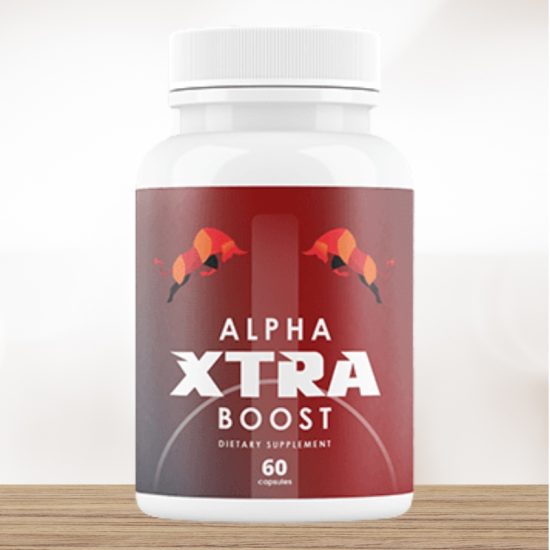
Alpha Xtra Boost Suplement
Original price was: $69.00.$49.00Current price is: $49.00. Buy From The Official Website -
Sale!
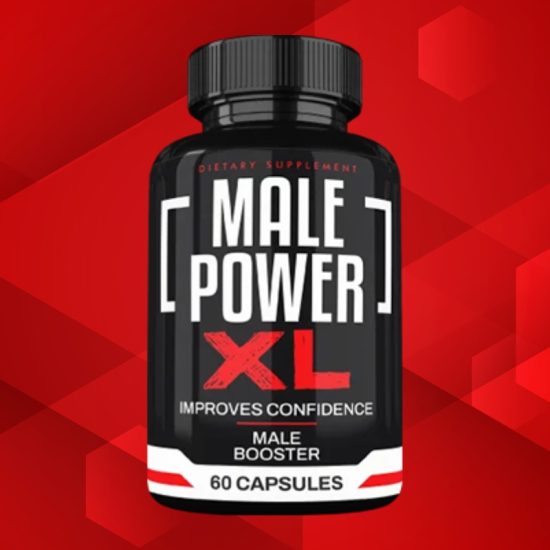
Male Power XL
Original price was: $79.00.$49.00Current price is: $49.00. Buy From This Official Website -
Alpha Xtra Boost
Read more -
VitalPro Supplement
$49.00 Buy From The Official Website