$69.00
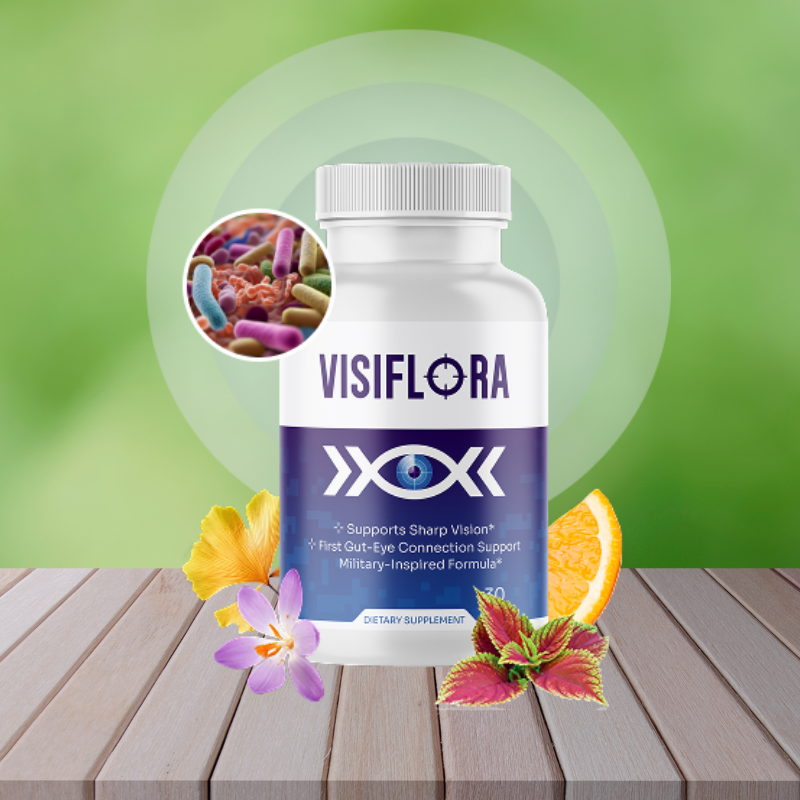
Support your daily eye wellness routine with VisiFlora, a comprehensive vision support formula designed with 22 science-inspired nutrients. This advanced supplement features well-known eye nutrients like lutein, zeaxanthin, vitamin A, and bilberry extract, along with antioxidant compounds that help support macular health and visual comfort. VisiFlora also includes ingredients selected to promote gut balance, which plays a role in how the body absorbs and delivers nutrients to the eyes. The convenient capsule format makes it easy to incorporate into your everyday routine. Non-GMO, vegan, and manufactured in a GMP-certified facility, VisiFlora offers a simple way to support long-term eye wellness.
Description
If you're reading about VisiFlora, chances are you're already doing what smart consumers do before buying a health supplement: researching. Eye health supplements have become one of the fastest-growing categories in the wellness industry, and for good reason. Modern life places enormous demands on the eyes – long hours staring at screens, exposure to blue light, environmental pollutants, aging, and lifestyle factors can all influence visual comfort and eye function over time. Yet the supplement market is crowded with products promising dramatic improvements in vision without clearly explaining the science behind their ingredients.
Rather than accepting marketing claims at face value, we evaluate supplements based on their formulation, ingredient science, dosage considerations, and overall value to consumers. Our goal is not to prescribe treatment or replace professional medical advice. Instead, we provide evidence-based information so readers can make thoughtful decisions and discuss options with qualified healthcare professionals.
VisiFlora is marketed as a comprehensive vision support supplement designed to nourish the eyes with antioxidants, plant extracts, and micronutrients associated with ocular health. The formula combines several well-known ingredients such as lutein, zeaxanthin, astaxanthin, bilberry, and saffron extract – compounds frequently studied for their role in supporting retinal health and protecting against oxidative stress.
However, as with any supplement, the key questions remain: Are the ingredients supported by credible research? Are the doses likely to be meaningful? And who might actually benefit from a product like this?
In this in-depth review, we examine VisiFlora from a scientific and consumer perspective. We'll explore its formulation, ingredient profile, potential benefits, and practical considerations such as cost, safety, and refund policies. While supplements may support overall wellness when used responsibly, they are not medical treatments and should always be discussed with a healthcare professional – especially for individuals with existing eye conditions.
With that context in mind, let's take a closer look at what VisiFlora is and how it fits into the broader landscape of eye health supplements.
Product Overview
Formulation: Vision support dietary supplement
Key Ingredients: Astaxanthin, Lutein, Zeaxanthin, Bilberry Extract, Ginkgo Biloba, Vitamins A, C, E, Zinc, Taurine, Saffron Extract, Grape Seed Extract, Quercetin, Rutin, Alpha Lipoic Acid
Bottle Contents: Typically 30 – 60 capsules per bottle depending on batch
Guarantee: Manufacturer offers a satisfaction guarantee with refund eligibility
Cost: Pricing varies depending on package size and promotional offers
What is VisiFlora?
VisiFlora is a dietary supplement formulated to support eye health using a blend of antioxidants, plant extracts, vitamins, and trace minerals. The supplement is positioned as a nutritional support product rather than a treatment for eye diseases. Its formulation appears to focus on several biological mechanisms associated with eye health, including oxidative stress protection, blood flow support, and nutritional support for retinal tissue.
Oxidative stress is one of the most commonly cited contributors to age-related eye changes. The retina contains highly active cells that rely on a constant supply of oxygen and nutrients. Over time, exposure to environmental stressors such as UV light, digital screen exposure, and normal metabolic processes can create free radicals that may damage delicate eye tissues. Antioxidants like astaxanthin, vitamin C, vitamin E, and alpha-lipoic acid are frequently included in vision supplements because they may help neutralize these molecules.
Another focus of the VisiFlora formula is carotenoids – particularly lutein and zeaxanthin. These compounds naturally occur in the retina and are believed to help filter blue light and support visual performance under certain conditions. Several clinical studies have examined their potential role in supporting macular health, although results can vary depending on dosage and individual health factors.
The supplement also contains botanical extracts historically associated with eye health, including bilberry, eyebright, and saffron. These ingredients have been used in traditional medicine and have been the subject of limited modern research investigating their possible effects on retinal circulation and visual acuity.
It is important to note that while many ingredients in VisiFlora have been studied individually, dietary supplements are not regulated in the same way as prescription medications. Research on individual ingredients does not guarantee that a specific combination or dosage will produce identical results.
As with any supplement, individuals considering VisiFlora should review the ingredient list carefully and consult a healthcare professional if they have medical conditions, take medications, or have concerns about interactions.
Who is VisiFlora Specifically For?
VisiFlora appears designed for adults who want nutritional support for their eyes, particularly those concerned about maintaining visual health as they age or as digital screen exposure increases.
Many people today spend hours each day looking at computer monitors, smartphones, or tablets. This extended screen exposure has led to increased interest in supplements that support visual comfort and eye fatigue management. Antioxidants and carotenoids included in products like VisiFlora are often marketed toward this group.
Older adults may also look for supplements containing lutein, zeaxanthin, and zinc because these nutrients have been investigated for their role in supporting macular health. Nutritional strategies are often part of broader lifestyle approaches that include balanced diets rich in leafy greens, regular eye exams, and protective measures such as UV-blocking eyewear.
However, VisiFlora may not be necessary for everyone. Individuals who already consume a diet rich in fruits, vegetables, healthy fats, and essential micronutrients may already be receiving many of these nutrients through whole foods. For example, spinach, kale, eggs, citrus fruits, and fatty fish provide several nutrients found in eye health supplements.
Additionally, supplements should not be viewed as replacements for medical treatment. Individuals with diagnosed eye conditions should always follow the guidance of licensed healthcare professionals and not rely solely on over-the-counter products.
Ultimately, VisiFlora may appeal to consumers seeking a convenient supplement that combines multiple nutrients associated with eye health. Whether it represents good value will depend on the specific formulation, dosage levels, and individual nutritional needs.
Does VisiFlora Work?
Determining whether a supplement “works” requires examining the science behind its ingredients as well as realistic expectations about what nutritional supplements can and cannot do.
Many of the compounds included in VisiFlora have been studied in relation to eye health. For instance, lutein and zeaxanthin are carotenoids found in the macula of the eye and are widely researched for their potential role in filtering blue light and supporting retinal health. Similarly, antioxidants such as vitamin C, vitamin E, and astaxanthin may help neutralize oxidative stress that can affect eye tissues over time.
Some ingredients, including saffron extract and bilberry, have shown promising early research suggesting they may support visual performance or retinal circulation. However, it is important to recognize that research findings are often preliminary and may vary based on dosage, formulation, and study design.
Another factor to consider is the synergy between nutrients. Supplements that combine multiple antioxidants and plant compounds may offer broader nutritional support compared with single-ingredient products. That said, dosage transparency and ingredient quality are critical.
Ultimately, supplements like VisiFlora may support overall eye wellness when used alongside healthy lifestyle habits. Adequate sleep, balanced nutrition, regular eye exams, screen breaks, and protective eyewear remain essential components of maintaining eye health.
VisiFlora Real Customer Reviews and Testimonials
Consumer feedback about VisiFlora tends to focus on general wellness and perceived improvements in visual comfort. Some users report experiencing less eye strain during long periods of computer use, while others mention feeling reassured by taking a supplement that contains well-known vision nutrients.
As with most supplements, experiences vary. Some individuals report noticeable benefits, while others do not observe significant changes. This variation is common with nutritional products because individual health status, diet, and genetics can influence outcomes.
When evaluating testimonials, it is important to remember that personal experiences are subjective and may not reflect typical results.
What Are the Ingredients in VisiFlora?
Astaxanthin
Astaxanthin is a naturally occurring carotenoid known for its strong antioxidant properties. It is found in certain algae and seafood such as salmon and shrimp. Researchers have explored astaxanthin for its ability to support cellular protection against oxidative stress. Some early studies suggest it may help support eye comfort during prolonged visual tasks, though more large-scale clinical trials are needed to confirm these findings.
Vitamin C & Vitamin E
Vitamin C and vitamin E are classic antioxidant nutrients often included in eye health formulas. Vitamin C plays a role in collagen formation and supports the structure of blood vessels, including those that supply the eyes. Vitamin E helps protect cell membranes from oxidative damage. Together, these nutrients may support the body's natural antioxidant defense systems.
Copper & Selenium
Copper and selenium are trace minerals involved in antioxidant enzyme activity. Selenium contributes to the function of glutathione peroxidase, an important enzyme that helps neutralize free radicals. Copper supports several metabolic processes and may contribute to maintaining connective tissue health.
Chromium
Chromium is a trace mineral that helps regulate glucose metabolism. Balanced blood sugar levels are important for overall health and may indirectly influence eye health by supporting normal metabolic function.
Gut-Eye Barrier Complex
Grape Seed Extract, Rutin, Quercetin
These plant-derived compounds contain flavonoids and polyphenols with antioxidant activity. Grape seed extract, for example, is rich in proanthocyanidins that may support blood vessel health. Rutin and quercetin are flavonoids studied for their potential anti-inflammatory and antioxidant properties.
Taurine
Taurine is an amino acid found in high concentrations in retinal tissue. It plays roles in cellular hydration and may contribute to maintaining the stability of retinal cells. Research in animals has shown taurine deficiency can impact eye health, though supplementation effects in humans require more research.
Alpha Lipoic Acid
Alpha-lipoic acid is an antioxidant that participates in energy metabolism. It is unique because it can function in both water-soluble and fat-soluble environments within the body. Some studies suggest it may help regenerate other antioxidants such as vitamin C and vitamin E.
Vision Performance Boosters
Ginkgo Biloba & Coleus Forskohlii
Ginkgo biloba is widely studied for its potential effects on circulation and cognitive function. Some research suggests it may support blood flow, which could be relevant for retinal health. Coleus forskohlii contains forskolin, a compound that has been investigated for various physiological effects.
Eyebright
Eyebright is a traditional herbal remedy historically used in Europe for eye-related wellness applications. Modern research on eyebright is limited, but it remains a popular ingredient in herbal eye formulations.
Macular & Lens Protection Blend
Vitamin A (Beta Carotene)
Vitamin A is essential for vision, particularly low-light vision. It plays a key role in the production of rhodopsin, a pigment required for night vision.
Lutein & Zeaxanthin
These carotenoids accumulate in the macula and are believed to help filter high-energy blue light.
Zinc
Zinc contributes to immune function and plays a role in transporting vitamin A from the liver to the retina.
Bilberry Extract
Bilberries contain anthocyanins that have been studied for their antioxidant effects and potential support for night vision.
Lycopene
Lycopene is another antioxidant carotenoid found in tomatoes and other red fruits.
Saffron Extract
Saffron has been investigated in small clinical studies exploring its potential influence on visual performance and retinal health.
VisiFlora Science
Many of the ingredients included in VisiFlora have been examined in nutritional and clinical research related to eye health. For example, large observational studies have explored how carotenoids such as lutein and zeaxanthin accumulate in the macula and may contribute to visual performance by filtering certain wavelengths of light.
Antioxidants such as vitamin C, vitamin E, and astaxanthin have also been investigated for their role in combating oxidative stress. The eye is particularly susceptible to oxidative damage due to constant exposure to light and high metabolic activity.
Botanical compounds like bilberry and saffron extract have been studied in smaller trials assessing their influence on retinal function and visual comfort. However, many of these studies involve limited sample sizes or short durations.
While ingredient research can be promising, more long-term human studies are needed to determine the full effectiveness of combined formulas like VisiFlora.
VisiFlora Benefits
Supporters of eye health supplements often highlight several potential benefits associated with the nutrients included in formulations like VisiFlora.
One potential benefit is antioxidant protection. The eye is exposed to light and environmental stressors that can generate free radicals. Nutrients such as vitamin C, vitamin E, astaxanthin, and alpha-lipoic acid may help neutralize these molecules.
Another possible benefit is support for visual performance during prolonged screen use. Carotenoids like lutein and zeaxanthin may help filter blue light, which is increasingly relevant in the digital age.
Circulation support is another area of interest. Ingredients such as ginkgo biloba and grape seed extract are sometimes included in formulations aimed at supporting blood flow and vascular health.
However, it is important to remember that supplements should be viewed as supportive tools rather than solutions.
VisiFlora: Pros and Cons
Pros
- Contains multiple antioxidants linked to eye health
- Includes carotenoids such as lutein and zeaxanthin
- Combines traditional herbal extracts and modern nutrients
- Convenient capsule format
Cons
- Scientific evidence for some ingredients remains limited
- Results may vary significantly between individuals
- Supplements cannot replace medical treatment
- Pricing may be higher than single-ingredient alternatives
What is the Price of VisiFlora?
Pricing is often structured around multi-bottle packages.
Starter Package
- 2 Bottles
- $69 per bottle
- Total: $138
- Small shipping fee
- Savings: $60
Advanced Package
- 3 Bottles
- $59 per bottle
- Total: $177
- Free US shipping
- Savings: $302
Ultimate Package
- 6 Bottles
- $49 per bottle
- Total: $294
- Free US shipping
- Savings: $434
Disclaimer: Prices and promotional offers may change at any time. Always check the official website for the most current pricing.
Usage
VisiFlora is typically taken daily according to the dosage instructions listed on the product label. Consistency is important for nutritional supplements, as many nutrients require time to accumulate in the body before measurable effects may occur.
Most manufacturers recommend taking capsules with food to support absorption and reduce the possibility of stomach discomfort. Individuals should carefully read the supplement facts panel and follow the recommended serving size unless directed otherwise by a healthcare professional.
Conclusion
VisiFlora represents a comprehensive eye health supplement combining antioxidants, plant extracts, and essential micronutrients commonly associated with visual wellness. Its formulation reflects several scientific themes frequently explored in eye nutrition research, including oxidative stress protection, carotenoid support for the macula, and plant-derived compounds that may contribute to vascular and cellular health.
However, it is important to approach any supplement with balanced expectations. Nutritional products can support overall health when used responsibly, but they do not replace medical treatment or professional care. Individuals with eye concerns should always consult a qualified healthcare provider.
For readers evaluating VisiFlora, the most important considerations include ingredient quality, dosage transparency, price, and how the formula compares to alternative options such as dietary improvements or targeted single-ingredient supplements.
In the end, informed consumers are the best advocates for their own health. Researching ingredients, reviewing clinical evidence, and discussing supplement use with healthcare professionals can help ensure that decisions are made thoughtfully and responsibly.
VisiFlora FAQs
1. What is VisiFlora designed for?
VisiFlora is formulated as a dietary supplement intended to support eye health and visual wellness.
2. Is VisiFlora a treatment for eye disease?
No. It is a nutritional supplement and not a medical treatment.
3. How long does it take to see results?
Responses vary. Nutritional supplements may require several weeks of consistent use.
4. Can I take VisiFlora with other supplements?
Consult a healthcare professional to avoid potential interactions.
5. Are there artificial ingredients?
Ingredient lists should be reviewed on the product label for full details.
6. Is VisiFlora suitable for vegetarians?
This depends on capsule materials used by the manufacturer.
7. Does it contain caffeine?
Vision supplements typically do not contain caffeine.
8. Can younger adults take it?
Adults interested in eye nutrition may consider it, but professional guidance is recommended.
9. Is there a refund policy?
Many manufacturers offer satisfaction guarantees; details vary.
10. Where is the best place to purchase VisiFlora?
The official website is generally the primary purchasing source recommended by the manufacturer.
Related products
-
Sale!
Vision 20
Original price was: $59.00.$33.00Current price is: $33.00. Buy From The Official Website -
Sale!
Clean Eye
Original price was: $79.00.$49.00Current price is: $49.00. Buy From This Official Website -
Sight Fresh
$39.00 Buy From The Official Website -
Clear Vision Pro
$49.00 Buy From The Official Website